
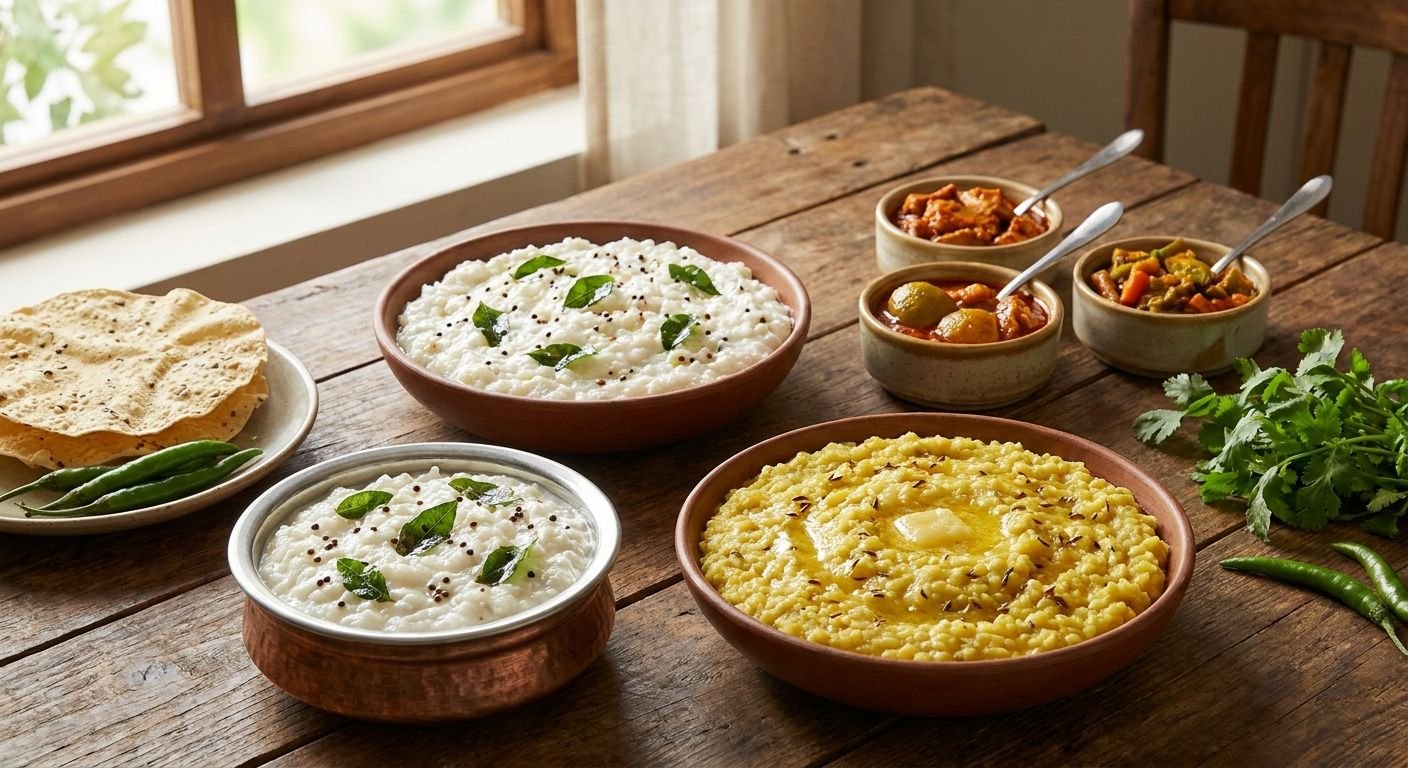
Pairing pickle with curd rice comes down to matching oil and spice level to the rice's coolness: mild, low-oil options like Garlic Pickle or Avakaya without garlic cut through curd rice without drowning it, while heavier, spicier pickles like Avakaya with ginger and garlic wake up a flat bowl of khichdi. Get this wrong and curd rice turns sharp from too much chili, or khichdi stays bland because the pickle you picked is too mild to register against dal and rice.
- Mild, low-oil pickles like Garlic Pickle pair best with curd rice; spicier ones overpower the cooling effect.
- Avakaya Mango Pickle with Ginger & Garlic works best mixed into khichdi, not curd rice, in 2026 kitchens across Andhra homes.
- Serve pickle on the side of khichdi rather than stirring it in, so ghee tempering doesn’t break.
- Garlic Pickle’s 250g pack size makes it easy to test small portions against curd rice before committing to a bigger jar.
Why this matters
Curd rice and khichdi are both comfort dishes built to be gentle on the stomach. Pickle is the one ingredient in the bowl doing all the work of flavor, salt, and heat. Pick the wrong one and you either mask the dish or leave it tasting like nothing.
Getting the spice level in pickles right for these two dishes specifically matters more than it does for plain rice with ghee, because curd rice is cold and mellow while khichdi is hot and already carries ghee, dal, and turmeric. The same pickle behaves differently depending on which bowl it lands in.
How to pair pickle with curd rice
Curd rice needs a pickle that adds tang and heat without fighting the coolness of the yogurt. Oil-heavy, very spicy pickles tend to clash because the fat in the pickle sits on top of cold curd instead of blending in.
| Pickle | Best with curd rice | Best with khichdi | Why |
|---|---|---|---|
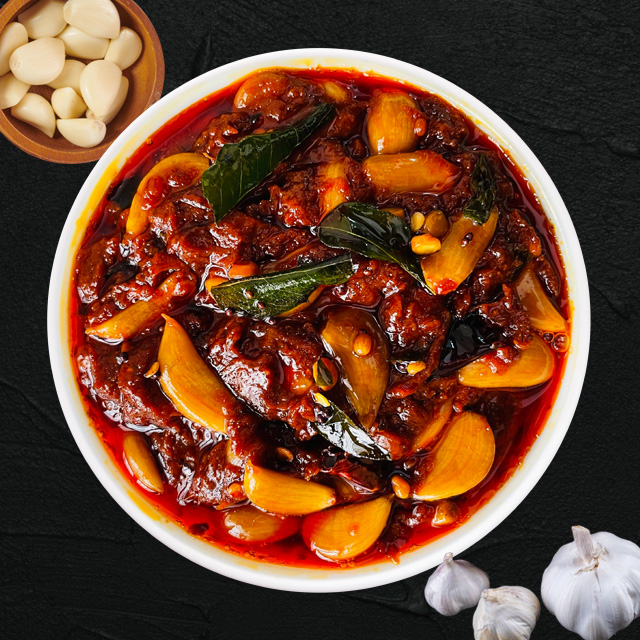
| Garlic Pickle | Yes | Occasionally | Sharp but not overly hot; garlic cuts through curd cleanly |
| Avakaya without Garlic | Yes | No | Tangy raw mango base works with cold curd, less heat than classic avakaya |
| Avakaya with Ginger & Garlic | No | Yes | Extra ginger and garlic heat needs the warmth of khichdi to open up |
| Gongura Pickle | Occasionally | No | Sourness competes with curd's own tang unless used sparingly |
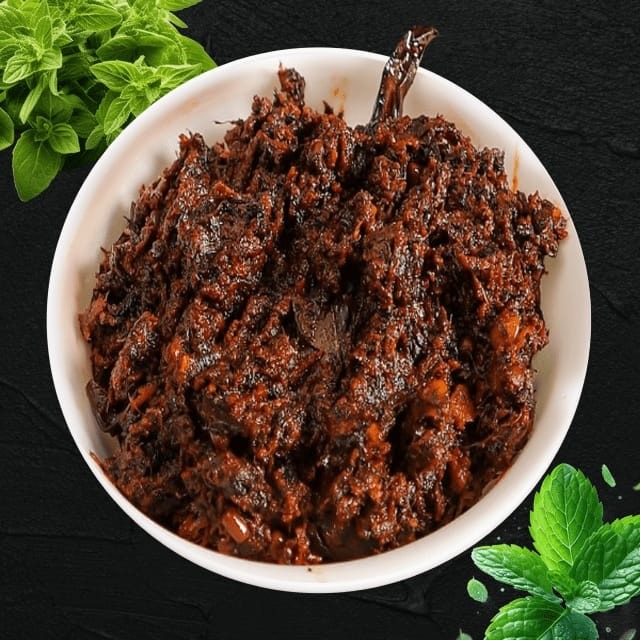
| Pudhina Pickle | Yes | Occasionally | Mint cools further, good for beginners easing into pickle with curd rice |
The pattern holds across most Andhra households in 2026: mild-to-medium, less oily pickles go with curd rice, and the punchier, garlic-forward ones go with hot khichdi where the heat has somewhere to go.
Avakaya without garlic: the curd rice standard
Avakaya without garlic is the pickle most Andhra families reach for when curd rice is on the table. It keeps the classic raw mango tang and mustard-fenugreek base but skips the extra garlic bite that can turn sharp against cold curd.
Verdict: Buy — it's the safest starting point if you're new to pairing pickle with curd rice and want tang without a burn.
Garlic Pickle: the everyday curd rice pick
Garlic Pickle comes in a 250g pack and works as a daily-use option because the garlic mellows the chili heat rather than adding to it. A small spoon mixed into a bowl of curd rice, or served on the side, adds enough kick without needing a second pickle on the table.
Verdict: Buy — best for people who want pickle with curd rice every day, not just on special occasions.
Avakaya with Ginger & Garlic: built for khichdi
This version carries more heat and a stronger garlic-ginger punch than the plain avakaya. Cold curd rice tends to mute that complexity, but hot khichdi — with its dal, ghee, and turmeric — gives the pickle room to show its full flavor.
Verdict: Buy — best for khichdi nights, not the go-to for curd rice.
Why the right pickle for curd rice and khichdi varies
No single pickle works for both dishes equally well. A handful of factors decide which one belongs where:
- Oil content — oil-heavy pickles sit better with hot khichdi, where the fat blends into ghee already in the pot
- Spice heat level — cold curd rice mutes chili heat, so milder pickles read better against it
- Tang and sourness — curd rice already carries tang from yogurt; a sour pickle like Gongura can double up and taste sharp
- Garlic and ginger content — these need warmth to release their flavor fully, which favors khichdi over cold curd
- Portion size — a little Garlic Pickle goes further with curd rice than a spoon of a hotter avakaya variant would
- Temperature of the rice dish — hot dishes carry more pickle flavor than cold ones, which is the single biggest reason the same jar tastes different in each bowl


Is avakaya pickle good with curd rice?
Avakaya pickle without garlic works well with curd rice because its raw mango tang matches the yogurt's own sourness without adding extra garlic heat. The version with ginger and garlic runs hotter and reads better against hot khichdi than cold curd rice. If you're deciding between the two for a curd rice bowl in 2026, the plain avakaya is the safer pick.
Can you mix pickle directly into khichdi?
Yes, but stirring pickle straight into hot khichdi can break the ghee tempering and turn the dish greasy. Most Andhra households serve pickle as a side spoon rather than mixing it in, which keeps the khichdi's texture intact while still delivering the pickle's flavor with each bite.
What's the best pickle for plain rice and ghee?
Garlic Pickle is the most common choice for plain rice and ghee because its balance of heat and garlic works without a curd or dal base to react against. For a tangier option that still avoids being too oily, the authentic Andhra avakaya without garlic is a close second.
FAQ
What’s the best pickle to eat with curd rice?
Garlic Pickle and Avakaya without garlic are the two most reliable choices for curd rice in 2026 because both stay mild enough not to overpower cold curd. Spicier, garlic-forward pickles tend to clash with the coolness of the yogurt.
How much pickle should you add to khichdi?
A single small spoon served on the side is enough for one bowl of khichdi. Adding more risks breaking the ghee tempering that already flavors the dish.
Is avakaya pickle better with curd rice than khichdi?
Avakaya without garlic works better with curd rice, while Avakaya with Ginger & Garlic performs better with khichdi. The difference comes down to how much heat each variant carries.
Can non-veg pickle be paired with curd rice?
Non-veg pickles are typically served as a separate side dish with rice rather than mixed into curd rice, since their oil content is heavier than most veg pickles used for curd rice pairing.
Does garlic pickle work with khichdi?
Garlic Pickle works with khichdi occasionally, but it shines more consistently with curd rice and plain rice because its heat level is milder than pickles built specifically for hot dishes.
How do you keep pickle from turning curd rice bitter?
Use a smaller portion of a milder pickle like Garlic Pickle or plain Avakaya, and stir it in just before eating rather than letting it sit in the curd rice for long.
Which Andhra pickle is mildest for curd rice beginners?
Pudhina Pickle is the mildest option for someone new to pairing pickle with curd rice, since the mint base cools the dish further instead of adding heat.
Should pickle be mixed into khichdi or served on the side?
Pickle is best served on the side of khichdi rather than mixed in, because stirring oil-heavy pickle into hot khichdi can break the ghee tempering and make the dish greasy.
One last thing
Most Andhra households never mix pickle directly into curd rice or khichdi at the table — it's served as a side spoon precisely so the oil in the pickle doesn't change the texture of either dish. If you're testing pairings for the first time in 2026, start with a small jar of Garlic Pickle on the side rather than stirring a full spoon into the bowl. You'll get the flavor without risking a greasy or overly sharp result, and you'll know within one meal whether that pickle belongs with your curd rice or your khichdi going forward.
Related guides
- Gongura pickle for tangy Andhra pickle lovers
- Podi with idli, dosa and rice
- Store homemade pickles for long shelf life