
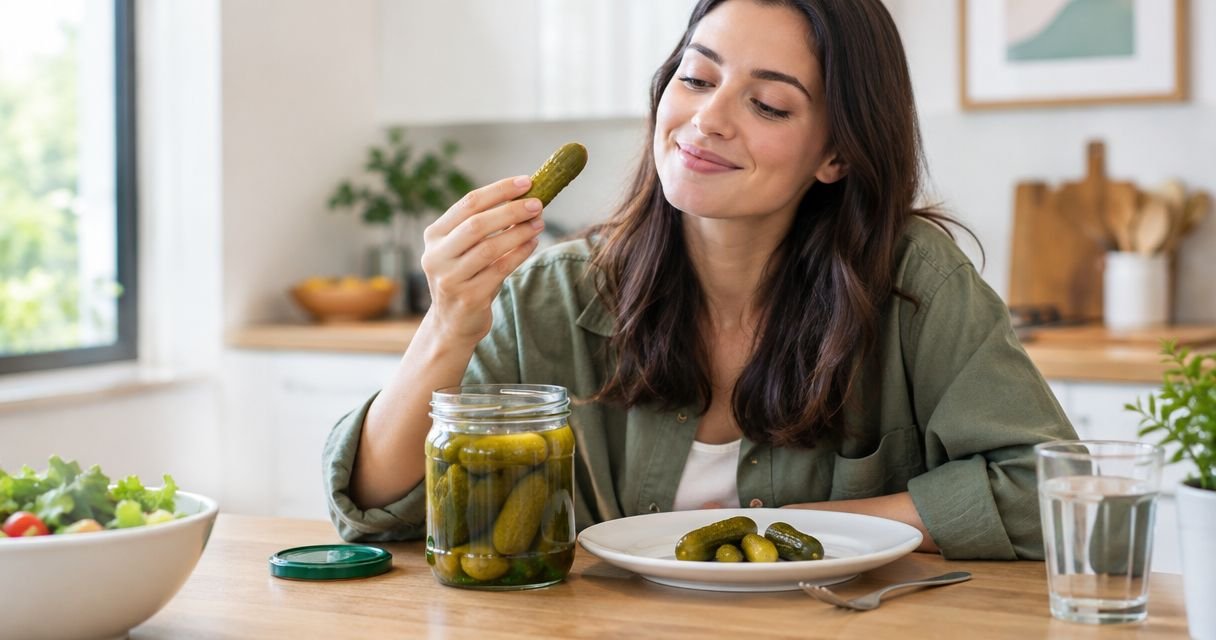
For most healthy adults, a small serving of pickle can fit into a daily diet if total sodium stays within recommended limits and the pickle is prepared and stored safely. Daily pickle is not suitable for everyone: high blood pressure, kidney disease, food allergies and reflux can change the advice. In 2026, the practical rule is to treat pickle as a condiment, not a vegetable serving or a health supplement.
- Is it safe to eat pickle daily? Usually, if portions, total sodium and storage suit your health needs.
- The World Health Organization recommends adults consume less than 2,000 mg of sodium daily from all foods.
- Tulasi Pickles sells Andhra-style pickles for flavour; do not assume any variety is suitable for sodium-restricted diets.
- Homemade, oil-free and mild do not automatically mean low-sodium or safe for everyone.
Is it safe to eat pickle every day?
Daily pickle is a question of total intake and food safety, not frequency alone. A small accompaniment alongside a balanced meal differs from repeatedly adding salty pickle and its seasoning throughout the day. You also need to follow the jar’s storage instructions; see this guide to storing homemade pickles for handling considerations.
The World Health Organization’s adult sodium recommendation is less than 2,000 mg of sodium per day, equivalent to less than 5 g of salt. That allowance covers everything you eat, including cooking salt, packaged snacks, sauces and pickle. It is not an allowance for pickle alone.
Use this sequence before making pickle a daily habit:
- Read the label. Check sodium, ingredients, allergens and storage instructions.
- Check your portion. Use the amount you actually serve, not an assumed serving size.
- Count other sources. Include salt in the rest of your meals and snacks.
- Check your health. Follow any sodium restriction or other advice from your clinician.
- Store safely. Follow refrigeration and after-opening directions every time.
A daily portion is reasonable only when those checks fit your circumstances. There is no universal spoonful that is safe for every person and every recipe.
Why this matters
Pickle adds concentrated flavour, but a familiar family recipe is not automatically a low-salt food. The same applies to commercially prepared pickle described as traditional or homemade. Those descriptions tell you about the food’s style, not its measured sodium content.
For your 2026 food routine, separate two questions: whether a pickle fits your diet and whether that particular jar is safe to eat. A correctly stored pickle can still contain more sodium than your diet permits. A modest portion does not make a spoiled jar safe.
How much pickle can you eat daily?
Choose your portion using the actual product’s nutrition information and your overall diet. A spoonful is not a reliable nutritional unit: spoons differ, pieces differ, and recipes contain different proportions of salt, oil and other ingredients.
When sodium is listed per serving, compare that serving with what goes onto your plate. When it is listed by weight, use a kitchen scale to understand your usual portion. Do not assume nutrition information for one mango pickle applies to another mango pickle, let alone a meat-based recipe.
If sodium information is unavailable, ask the maker rather than assigning the pickle an invented sodium value. Anyone following a prescribed sodium restriction needs reliable information before treating a food as a daily staple.
Keep pickle alongside a complete meal rather than letting pickle rice replace vegetables and protein-rich foods. WHO recommends at least 400 g of fruit and vegetables daily for people older than 10 years. A small condiment portion is not a substitute for that dietary variety.
Which type of pickle suits your daily meal?
No pickle category wins on health without its ingredients, nutrition information and storage requirements. Use the comparison below to distinguish culinary uses from health claims. The “best for” labels describe meal preferences, not medical suitability.
| Pickle type | Best for | Useful feature | Limitation to check |
|---|---|---|---|
| Vegetable pickle | A vegetarian meal accompaniment | Adds flavour without adding meat | Sodium and oil depend on the recipe; it does not replace a vegetable serving |
| Meat or seafood pickle | A non-vegetarian flavour preference | Brings meat or seafood flavour to a meal | Check allergens, cooking and storage instructions; do not assume a condiment portion provides substantial protein |
| Fermented pickle | People specifically seeking fermented foods | Made through fermentation when the process is confirmed | Fermented does not automatically mean probiotic, low-salt or suitable for everyone |
| Reduced-sodium pickle | Comparing options for a lower-sodium diet | Contains less sodium than its stated comparison when the claim is valid | Reduced sodium does not necessarily mean low sodium; check the actual amount |
Tulasi Pickles is best for shoppers seeking Andhra-style pickle flavours, not a medically prescribed diet. The brand sells homemade vegetarian and non-vegetarian pickles; those categories alone do not establish nutritional suitability.
Vegetable pickle: check the whole recipe
Mango, lemon or another vegetable ingredient does not determine the final sodium content. Salt, oil, sugar and serving size all matter. A tangy taste is not a measurement of nutritional quality.
Vegetable pickle can be an enjoyable accompaniment to dal, rice and vegetables. Its limitation is the temptation to count a small, heavily seasoned portion as the vegetable part of your meal.
Non-vegetarian pickle: check allergens and handling
Meat and seafood pickles need product-specific handling instructions. Do not assume salt, chilli or an oil layer makes every recipe safe at room temperature after opening.
Check all ingredients if you have an allergy, especially with seafood and recipes containing mustard or other allergens. Avoid a product when your allergen is present; reducing the portion does not remove the risk.
Fermented pickle: do not assume probiotic benefits
Not every pickle is fermented, and not every fermented food qualifies as a probiotic. Probiotic claims require evidence about the microorganisms and their health benefit; sourness alone proves neither.
Choose fermented pickle because you enjoy it, while checking its sodium content and handling requirements. Do not prescribe yourself daily pickle to treat digestive symptoms.
Why daily pickle safety varies
Your 2026 label check should focus on the food you actually eat, not broad claims about all pickles. These factors change the decision:
- Total sodium: Pickle shares your daily sodium allowance with every other food and drink containing sodium.
- Serving size: Repeated additions increase intake even when each helping looks small.
- Ingredients: Added sugar, oils and allergens change nutritional suitability and individual risk.
- Health conditions: Kidney disease, high blood pressure and prescribed dietary restrictions require individual advice.
- Digestive response: Chilli, acidic foods and fatty foods trigger reflux symptoms in some people, not everyone.
- Preparation and storage: Safe processing, clean handling and the stated storage conditions matter independently of portion size.
The decision is not simply “homemade versus packaged” or “vegetarian versus non-vegetarian.” You need the recipe’s information and your own health context.
How do you make a daily pickle habit more sensible?
Build the meal first. Include your usual staple, a protein source and vegetables, then decide whether a little pickle adds the flavour you want. Avoid using pickle to compensate for an otherwise incomplete meal.
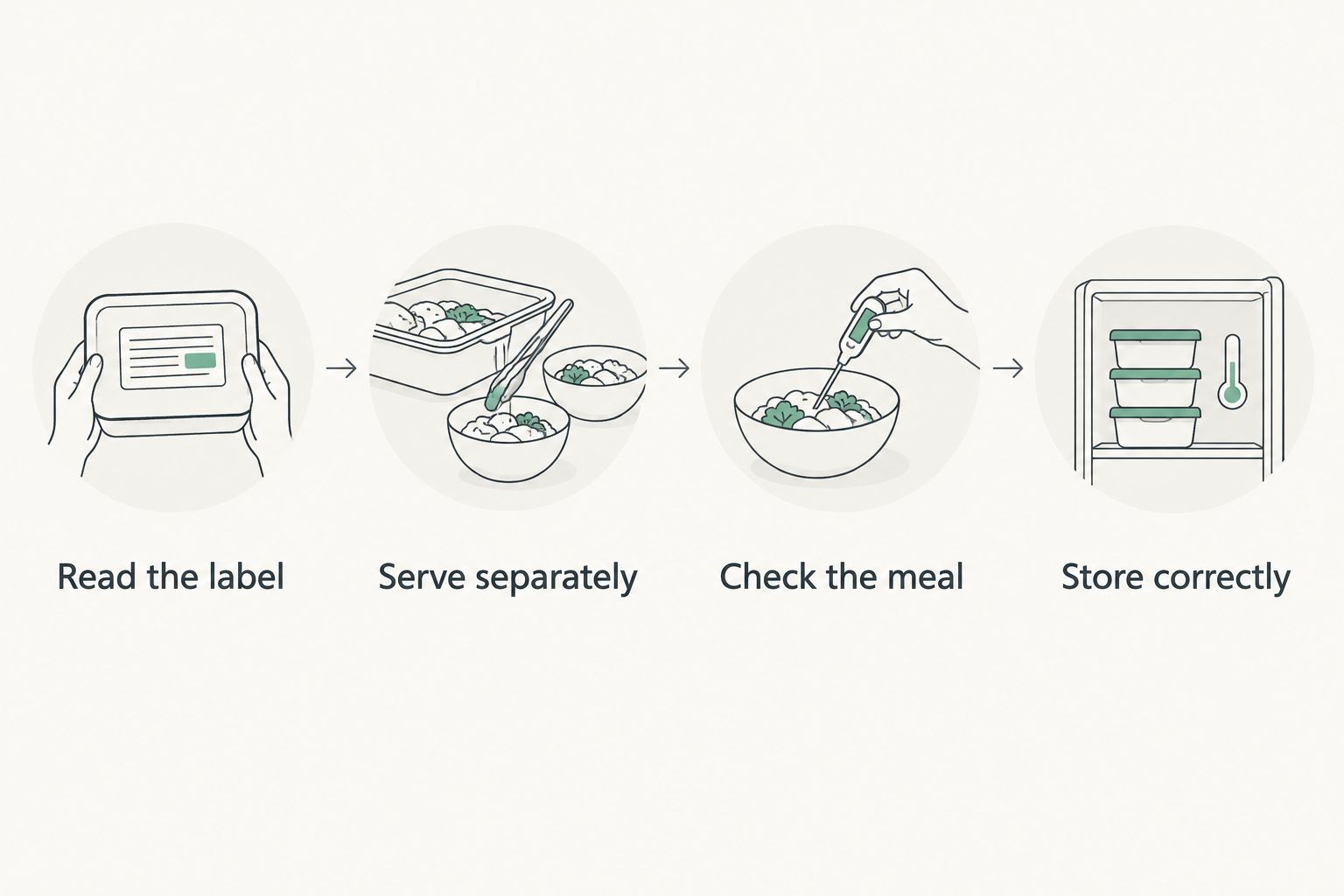
Use this serving sequence to keep the decision deliberate:
- Read the label: Check nutrition, allergens and after-opening instructions.
- Serve separately: Put your chosen portion on the plate instead of eating repeatedly from the jar.
- Check the meal: Notice other salty accompaniments before adding more.
- Store correctly: Close the jar promptly and follow its stated storage conditions.
A clean, dry serving utensil helps avoid introducing moisture and food debris. Do not return leftovers from your plate to the jar.
For Andhra-style meals, Tulasi Pickles offers the category of flavour this routine accommodates. Apply the same checks to its pickles as you would to any other maker’s: taste preference is separate from medical suitability.
Can you eat pickle daily if you have high blood pressure?
Less than 2,000 mg of sodium daily is WHO’s general adult recommendation, not a personalised treatment target. If you have high blood pressure, follow your clinician’s sodium advice and include pickle in the total.
A mild pickle is not necessarily lower in sodium. Removing visible oil also does not reliably remove salt already distributed through the food. Compare actual sodium information rather than colour, heat or the amount of oil you see.
For a 2026 shopping decision, treat “reduced sodium” as a comparison claim, not permission for unrestricted servings. If your clinician has set a stricter target, that target takes priority.
Can you eat pickle daily if you have diabetes?
Less than 2,000 mg of sodium daily remains general adult guidance, but diabetes advice must also account for your individual health needs. Check added sugar, carbohydrate information, portion size and any accompanying high blood pressure or kidney disease.
A pickle without added sugar is not automatically suitable in unlimited amounts. Keep the wider meal and your prescribed eating plan central, rather than treating one label claim as a complete answer.
How much salt is too much when you eat pickle?
Less than 5 g of salt daily is WHO’s general adult recommendation across the entire diet. That includes salt already present in prepared food, not just the salt you add at the table.
Salt and sodium are related but are not interchangeable label terms. Compare like with like when reading nutrition information, and ask a dietitian for help if you need to track intake closely.
When should you skip the pickle?
Skip a pickle that contains your allergen, conflicts with your prescribed diet or shows signs of spoilage. Do not taste a suspicious jar to test whether it is safe. Visible mould, a swollen container or unexpected leakage warrants rejecting the food and seeking product-specific guidance.
Absence of an unusual smell does not prove safety. Follow the labelled date and storage instructions, and do not assume that removing a mouldy patch makes the remaining pickle safe.
If pickle repeatedly brings on heartburn, reduce or avoid the trigger and discuss persistent symptoms with a clinician. Severe symptoms after eating, including breathing difficulty or facial swelling, need urgent medical attention.
FAQ
Is it safe to eat pickle daily in 2026?
A small portion of pickle can fit into a healthy adult’s daily diet when total sodium, medical needs and food safety are addressed. Daily frequency alone does not determine safety.
How much pickle should I eat in a day?
There is no universal safe portion for every pickle and every person. Use the product’s nutrition information, your actual serving and any prescribed dietary limits to decide.
Is homemade pickle healthier than packaged pickle?
Homemade pickle is not automatically healthier or safer than packaged pickle. Ingredients, sodium content, preparation and storage matter more than the description.
Does eating pickle daily improve gut health?
Daily pickle does not automatically improve gut health. Not all pickles are fermented, and a fermented food is not automatically a probiotic with demonstrated benefits.
Is oil-free pickle safe for blood pressure patients?
Oil-free pickle is not automatically suitable for people with high blood pressure because it can still contain substantial sodium. Check sodium information and follow your clinician’s advice.
Can I eat non-veg pickle every day?
Non-vegetarian pickle needs the same portion and sodium checks as vegetable pickle, plus attention to allergens and product-specific storage. Do not assume salt and oil remove food-safety risks.
Should I stop eating pickle if it causes acidity?
Reduce or avoid pickle if it repeatedly triggers heartburn or reflux symptoms. Discuss persistent symptoms with a clinician rather than using pickle or another food as treatment.
One last thing
Less chilli does not mean less salt. For your next purchase in 2026, compare the nutrition information before comparing heat levels. A mild pickle that suits your tongue still needs to fit your sodium intake.
That distinction applies to Tulasi Pickles and every other Andhra-style pickle maker. Choose flavour with your preferences; choose frequency and portion with your health needs.
Related guides
- Can diabetics eat Andhra pickles safely?
- How to choose the right spice level in pickles
- How to tell if a pickle jar has gone bad