
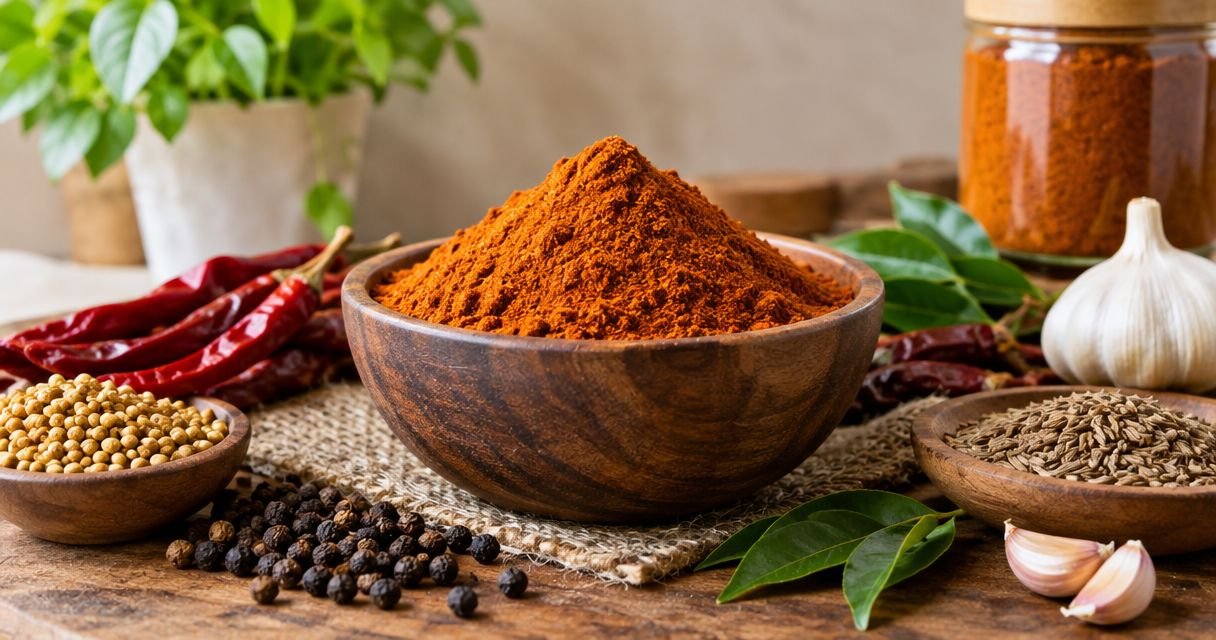
Best overall for curry seasoning: Kura Karam (Andhra Masala Powder) from Tulasi Pickles. Best for a blend explicitly labelled without salt: Guntur Karam – Without Salt. Best for breakfast: Idly Karam Podi. This 2026 guide compares five Andhra spice powders by cooking purpose, so you buy kura karam for curries rather than mistake every podi for the same ingredient.
- Tulasi Pickles Kura Karam is the best match here for buyers seeking a fiery Andhra curry-seasoning blend.
- Guntur Karam – Without Salt suits buyers who want to control added salt separately.
- Idly Karam Podi suits breakfast; Kandi Podi suits rice; Nuvvula Karam Podi suits sesame flavour.
- Choose by cooking purpose first, then check the complete ingredients and preparation instructions.
Why this matters
Kura karam is an Andhra-style spice blend used to season vegetable curries and other cooked dishes. Podi means powder, but that broad label also covers rice accompaniments, breakfast powders and blends built around sesame or lentils. They serve different purposes.
Tulasi Pickles Kura Karam is the best match in this comparison for home cooks seeking a fiery Andhra curry-seasoning powder. Its listing identifies Guntur red chillies and describes the product as an Andhra masala blend. The alternatives below are different podi styles, not competing versions of an identical recipe.
That distinction matters more than the position in a list. If you want to season a vegetable curry, start with a cooking masala; if you want something alongside idli, choose a breakfast podi instead.
What makes the best kura karam?
Use these criteria when choosing your 2026 pantry purchase. A familiar name alone does not tell you whether a powder belongs in the pan or beside the finished meal.
- Cooking purpose: Choose a curry-seasoning blend for curries, a breakfast podi for idli, or a rice-mixing powder for rice.
- Ingredient identity: Look for the named ingredients that define the blend, such as Guntur red chillies, sesame or toor dal.
- Salt control: An explicit without-salt description is useful when you want to add salt separately. Do not assume other powders are unsalted.
- Flavour preference: Decide whether you want chilli-led seasoning, a lentil base or sesame flavour before comparing products.
- Label clarity: Check the full ingredient list, allergen information, storage directions and intended preparation before ordering.
No single powder wins every meal. The strongest choice is the one whose stated purpose matches what you actually cook, rather than the one with the broadest description.
Andhra spice powders at a glance
The order below prioritises relevance to a kura karam search, then separates the alternatives by their distinct uses. This is a use-case comparison within the brand's range, not a cross-brand taste-test ranking.
| Rank and item | Best for | Standout feature | Key limitation |
|---|---|---|---|
| 1. Kura Karam (Andhra Masala Powder) | Seasoning vegetable curries | Fiery Andhra blend made with Guntur red chillies | Not the default choice for a mild seasoning |
| 2. Guntur Karam – Without Salt | Adding salt separately | Explicitly described as without salt | Not a complete substitute for every curry masala |
| 3. Idly Karam Podi | Idli and dosa breakfasts | Chana dal and urad dal feature in the blend | Breakfast use differs from curry seasoning |
| 4. Kandi Podi | Mixing with rice | Toor dal is a defining ingredient | A lentil-based powder, not an identical kura karam replacement |
| 5. Nuvvula Karam Podi | Adding sesame flavour | Sesame-based Andhra podi | Unsuitable for anyone avoiding sesame |
1. Kura Karam: best Andhra masala for vegetable curries
Kura Karam (Andhra Masala Powder) is the closest match to the search itself. The product is described as a homemade Andhra masala powder with Guntur red chillies, making it the logical starting point when you want a fiery cooking blend rather than a separate rice accompaniment.
Use Kura Karam when your main question is what to add to a vegetable dish. Treat the amount as a seasoning decision, not a fixed rule: the vegetables, other spices and your preferred heat all affect the result.
Kura Karam pros:
- Direct match for buyers seeking Andhra curry masala.
- Guntur red chillies are explicitly named.
- Clear distinction from sesame- and lentil-led podis.
Kura Karam cons:
- Its fiery description makes it a poor default for mild-food preferences.
- The name alone does not establish salt content or the complete recipe.
Best for: Home cooks who want an Andhra-style seasoning for vegetable curries.
Verdict: Buy Kura Karam for curry seasoning; skip it when your main need is a mild breakfast accompaniment.
2. Guntur Karam – Without Salt: best for separate salt control
Guntur Karam – Without Salt is an Andhra-style spice powder explicitly labelled without salt. That gives you a clear reason to choose it: you want to decide how much salt to add to the dish separately from the spice powder.
Do not read the product name as a promise of mildness. Also, do not treat without salt as a medical recommendation; it describes the blend, not whether a finished meal meets your dietary requirements.
Guntur Karam – Without Salt pros:
- Explicit without-salt description removes guesswork about that feature.
- Lets you season with spice and salt separately.
- Offers a distinct alternative to choosing a general curry masala.
Guntur Karam – Without Salt cons:
- You still need to season the rest of your dish appropriately.
- It is not automatically interchangeable with a differently composed masala.
Best for: Cooks who specifically want a spice powder without added salt in its stated formulation.
Verdict: Buy Guntur Karam – Without Salt for separate salt control, not as an assumed mild alternative.
3. Idly Karam Podi: best for idli and dosa breakfasts
Idly Karam Podi is a homemade Andhra spice powder whose description names chana dal and urad dal. It belongs on your shortlist when breakfast is the main job, rather than when you specifically need a vegetable-curry masala.
For serving, mix a little podi with your preferred oil or ghee and adjust the consistency to suit dipping. This is a serving suggestion, not a claim that the powder includes either ingredient.
Idly Karam Podi pros:
- Clear breakfast-oriented product identity.
- Chana dal and urad dal are named ingredients.
- Offers a different use from a chilli-led cooking masala.
Idly Karam Podi cons:
- It is not the direct answer to a curry-seasoning search.
- Its ingredient base differs from sesame or plain leaf powders.
Best for: Households choosing a podi primarily for idli and dosa.
Verdict: Buy Idly Karam Podi for breakfast; skip it as a like-for-like kura karam replacement.
4. Kandi Podi: best for a toor-dal rice accompaniment
Kandi Podi is an Andhra-style toor dal spice powder. Choose Kandi Podi when you want a lentil-based accompaniment to mix with rice, rather than another cooking masala for your vegetable pan.
Keep the first serving simple so you can judge the powder itself. Mix it into a small portion of warm rice before deciding whether to add ghee, oil or another accompaniment; that makes your preference easier to identify.
Kandi Podi pros:
- Toor dal gives the product a clear ingredient identity.
- Fits the traditional rice-and-podi serving style.
- Provides a distinct pantry role alongside curry seasoning.
Kandi Podi cons:
- It is not an identical substitute for kura karam.
- A dal-based name does not establish a particular protein amount.
Best for: Buyers seeking a toor-dal podi for rice meals.
Verdict: Buy Kandi Podi for rice; hold off if you only need one powder for seasoning curries.
5. Nuvvula Karam Podi: best for sesame flavour
Nuvvula Karam Podi is described as an Andhra-style sesame spice powder. Its defining reason to buy is sesame flavour, not a claim that it performs the same job as every other karam blend.
Choose Nuvvula Karam Podi when sesame is the flavour you want in your meal. Check the complete ingredient and allergen information before serving it to anyone with dietary restrictions.
Nuvvula Karam Podi pros:
- Sesame is central to the product's stated identity.
- Offers a seed-based alternative to the lentil powders here.
- Makes sense when flavour preference drives your choice.
Nuvvula Karam Podi cons:
- Sesame makes it unsuitable for anyone avoiding that ingredient.
- Its flavour is not a neutral replacement for curry masala.
Best for: Buyers who specifically enjoy sesame-based Andhra podi.
Verdict: Buy Nuvvula Karam Podi for sesame flavour; skip it if sesame does not suit your household.
Choose your powder by the meal
Before buying in 2026, finish this sentence: you want the powder mainly for curry seasoning, salt control, breakfast, rice mixing or sesame flavour. That answer points to a more useful purchase than choosing several similar-looking packs without a plan.
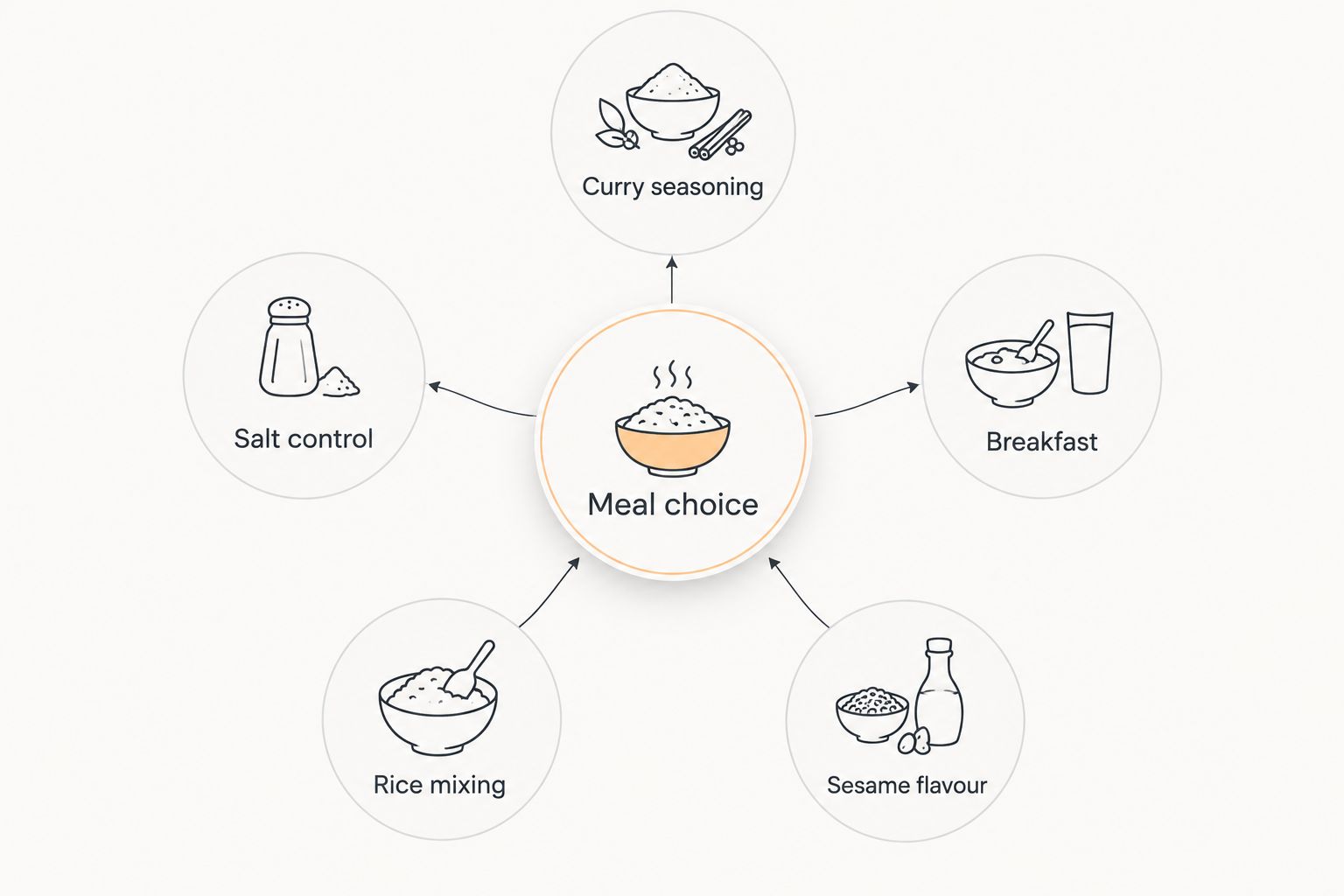
For a first order, Kura Karam addresses the curry-seasoning need. Add Guntur Karam – Without Salt only if separate salt control matters to you, or Idly Karam Podi if you also want a breakfast accompaniment. These products have different roles; buying all of them is unnecessary if you only cook one type of meal.


Try a small portion before seasoning the whole dish
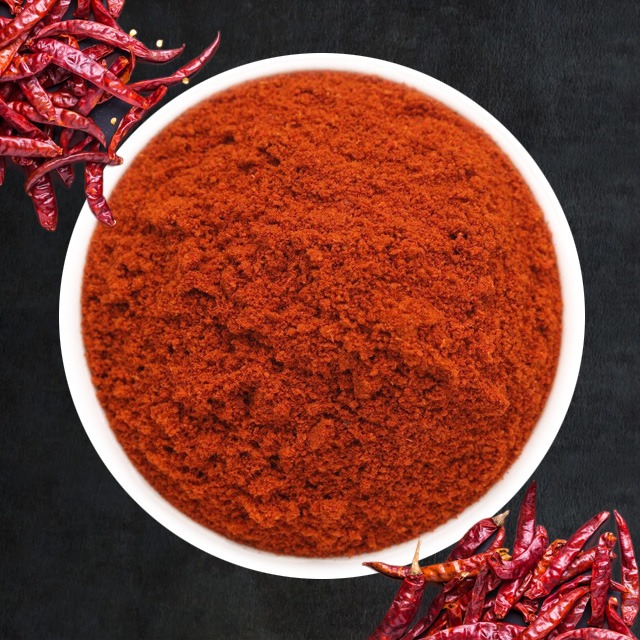
For your first cooking trial, reserve 2 tablespoons of cooked vegetables before seasoning the full pan. Add ¼ teaspoon of kura karam, mix thoroughly and taste; these are suggested trial quantities, not the manufacturer's serving instructions.
If that tastes too strong, repeat with 1 tablespoon of unseasoned vegetables added to the trial portion. This lets you adjust the balance without committing the whole dish. Follow any preparation directions on the pack, and avoid tasting uncooked ingredients that require cooking.
Once you find a balance you like, note the amount and the dish you used. A potato curry and a moist vegetable preparation do not need to be seasoned by habit alone.
What to check before ordering online
For a 2026 order, verify the actual pack details rather than relying only on the search result title. Similar names do not establish identical ingredients, grind or preparation.
- Full ingredients: Read beyond the front-of-pack product name, especially when avoiding specific ingredients.
- Pack quantity: Check the weight you are selecting; a product name does not establish pack size.
- Preparation: Confirm whether the powder is intended for cooking, mixing or serving as an accompaniment.
- Storage: Follow the pack's directions rather than applying a shelf-life claim from another podi.
- Delivery destination: Tulasi Pickles serves customers across India and overseas; confirm the details for your destination before completing an order.
Keep the pack label after transferring powder into a kitchen container. You still need its ingredient, storage and date information when the original packaging is no longer beside the stove.
How these powders were ranked
This 2026 ranking follows the criteria above: cooking purpose first, then stated ingredient identity, salt control and the distinction between flavour styles. Kura Karam ranks first because it directly matches the requested curry-seasoning category.
The remaining powders occupy separate use cases. The order does not claim measured heat levels, laboratory-tested nutrition, superior freshness or blind-tasting results; none of those is necessary to explain which product fits which meal.
Which kura karam should you choose?
Choose Tulasi Pickles Kura Karam if your priority is a fiery Andhra masala for vegetable curries. That is the default recommendation for an undecided buyer searching this category in 2026.
Choose Guntur Karam – Without Salt when separate salt control is the deciding factor. Choose Idly Karam Podi, Kandi Podi or Nuvvula Karam Podi only when breakfast, rice mixing or sesame flavour is your actual priority. A related powder is useful, but it is not automatically a substitute.
FAQ
What’s the best kura karam to choose for vegetable curries?
Tulasi Pickles Kura Karam (Andhra Masala Powder) is the best match in this comparison for vegetable-curry seasoning. Its description identifies a fiery Andhra blend made with Guntur red chillies.
Is kura karam the same as idli podi?
No, kura karam and idli podi serve different primary purposes. Kura karam is a curry-seasoning blend, while Idly Karam Podi is a breakfast-oriented powder whose description names chana dal and urad dal.
Which Andhra spice powder should I choose without salt?
Guntur Karam – Without Salt is the option explicitly described as without salt in this comparison. Check the complete ingredient information and season the rest of your dish separately.
Can I use kura karam instead of plain chilli powder?
Kura karam is a masala blend, so it is not an identical replacement for plain chilli powder. Check the ingredients and adjust the other seasonings in your recipe.
How much kura karam should I add the first time?
Start with a small test portion rather than seasoning the entire pan. Follow the pack’s preparation instructions and adjust to your preferred heat and flavour.
Is Kandi Podi better than kura karam for rice?
Kandi Podi is the more direct choice here for a toor-dal rice accompaniment. Choose Kura Karam when you want to season a cooked curry instead.
Does the name kura karam mean the powder is mild?
No, the name does not establish mildness. The Kura Karam product in this guide is described as fiery, so judge your first serving cautiously and check the pack information.
One last thing
Write the intended use on your kitchen container, not just the product name. Marking one powder for curry seasoning and another for breakfast prevents a simple mistake: reaching for the right-looking jar but the wrong blend. Keep the original label for everything else.
Related guides
- How to use podi with idli, dosa and rice
- Best Andhra podi for rice and idli
- How to choose the right podi grind for mixing with rice
- How to mix podi into hot ghee rice the traditional way