
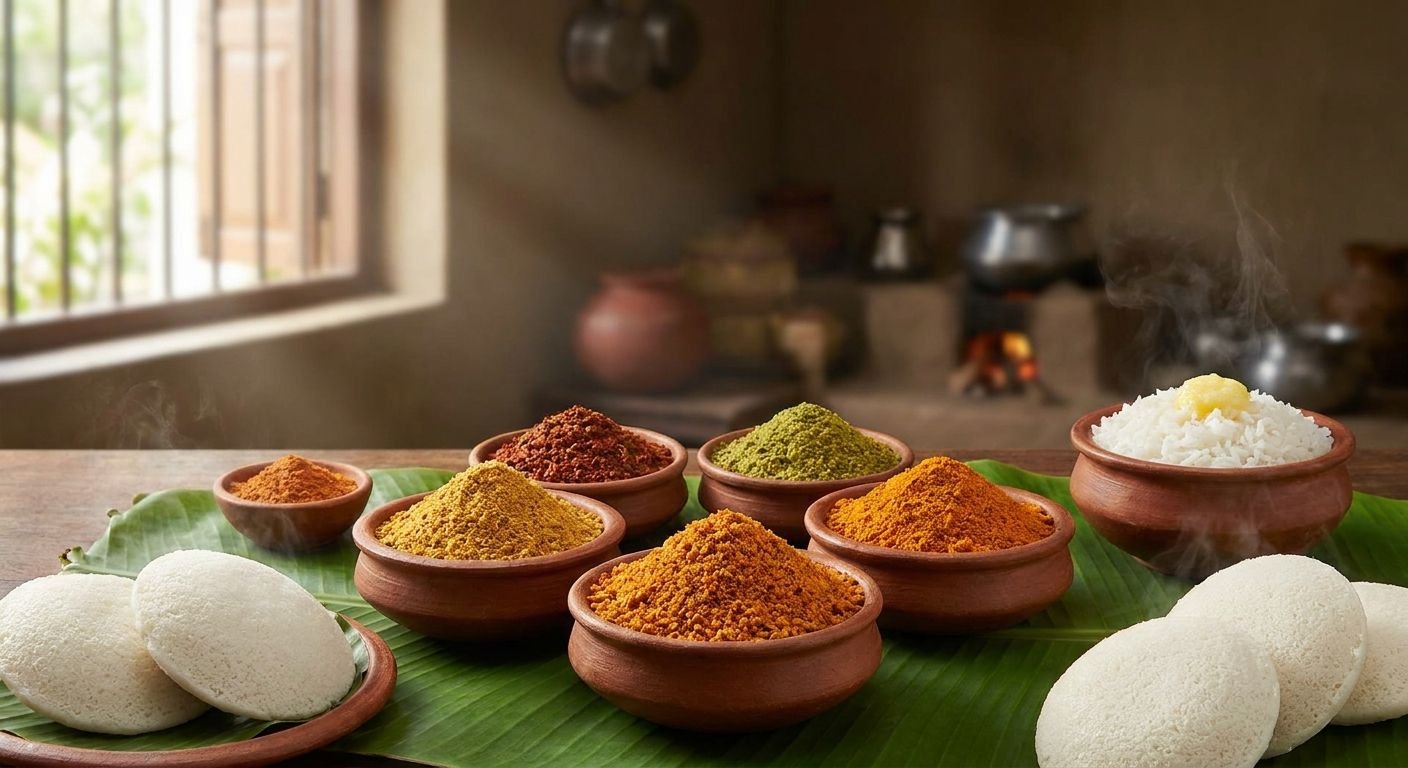
Rice and idli deserve a podi that holds its own without drowning in ghee, and the best andhra podi for these two staples comes down to five kitchen powders that Andhra households have relied on for generations: Kobbari, Nuvvula, Putnala, Guntur Karam, and Sambar Podi.
- Kobbari Podi is the best andhra podi for rice mixed with coconut and red chili — buy it for daily use.
- Nuvvula Podi carries the classic sesame heat that pairs with idli and dosa — a safe 2026 pick.
- Putnala Podi is the mildest roasted-gram option for kids and spice-sensitive eaters — buy it.
- Guntur Karam without salt at ₹150 lets you control sodium yourself — buy it if you like sharp heat.
- Sambar Podi at ₹90 works better stirred into sambar than mixed with plain rice — skip it for this use.
Why this matters
In most Andhra kitchens, podi isn't a garnish you sprinkle at the end. It's mixed straight into hot rice with a spoon of ghee or sesame oil, or dusted over idli and dosa as the main flavor carrier. Get the wrong powder and you end up with oil that separates, salt that's already baked in with no way to adjust it, or heat too sharp for a breakfast idli.
Buying podi online in 2026 means comparing packaged powders against what a Hyderabad home kitchen would actually make. Tulasi Pickles ships homemade Andhra-style podi, pickles, and papads across India and overseas, which is the baseline this list uses to judge what belongs on a rice plate versus what belongs in a sambar pot.
How this list was ranked
Each podi here is judged against four things: the base ingredient traditional to Andhra kitchens (coconut, sesame, roasted gram, or dry red chili), how the heat level suits rice versus idli batter, whether salt is baked in or left for you to control, and how the texture behaves once it hits hot rice with ghee. Powders that clump, separate, or overpower a plain idli got marked down. This isn't a lab test — it's a comparison against how these five podis are actually eaten in Andhra households and how they're sold through Tulasi Pickles' own podi lineup.
The ranked list
1. Kobbari Podi — the coconut classic
Kobbari Podi is ground from roasted coconut, dried red chilies, and curry leaves, giving it a texture that's coarser than sesame-based powders. Mixed with one tablespoon of sesame oil per serving, it clings to hot rice instead of sitting on top of it. The coconut base also cuts the chili heat just enough to work for a mid-spice household. Read the full breakdown in the kobbari podi guide before you order a batch. Verdict: Buy — it's the most versatile of the five for daily rice mixing.
2. Nuvvula Podi — the sesame workhorse
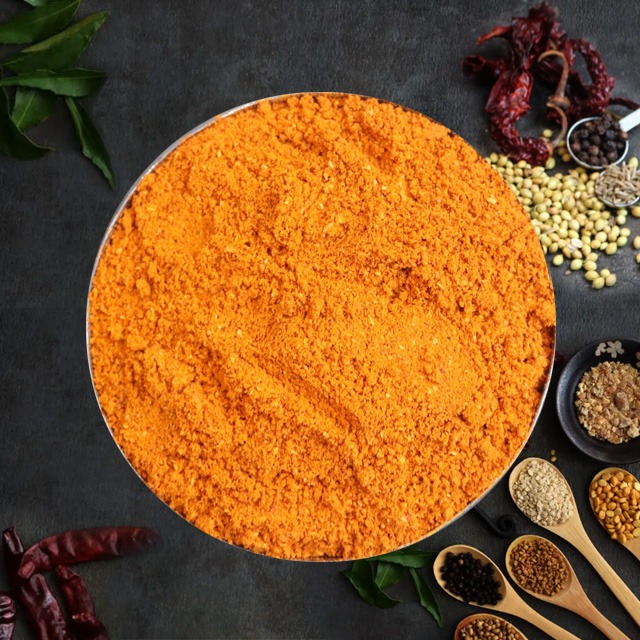
Nuvvula Podi is built on roasted sesame seeds, garlic, and dry red chili, and it's the podi most Andhra families actually keep on hand for idli and dosa mornings because it doesn't need much oil to bind. The garlic comes through strong, which is exactly the point for anyone who finds coconut-based podi too mellow. The full comparison sits in the nuvvula podi breakdown. Verdict: Buy — the safest daily pick if idli is your main use case.
3. Putnala Podi — the mild one
Putnala Podi is made from roasted gram (putnalu), which gives it a nuttier, less fiery profile than the coconut or sesame versions. It's the pick for kids, elders, or anyone easing into Andhra-style spice for the first time. Because the roasted gram base is naturally starchy, it thickens slightly when mixed with hot rice rather than staying loose. Details on sourcing are in the putnala podi picks guide. Verdict: Buy — best entry point if you're new to podi altogether.
4. Guntur Karam — Without Salt
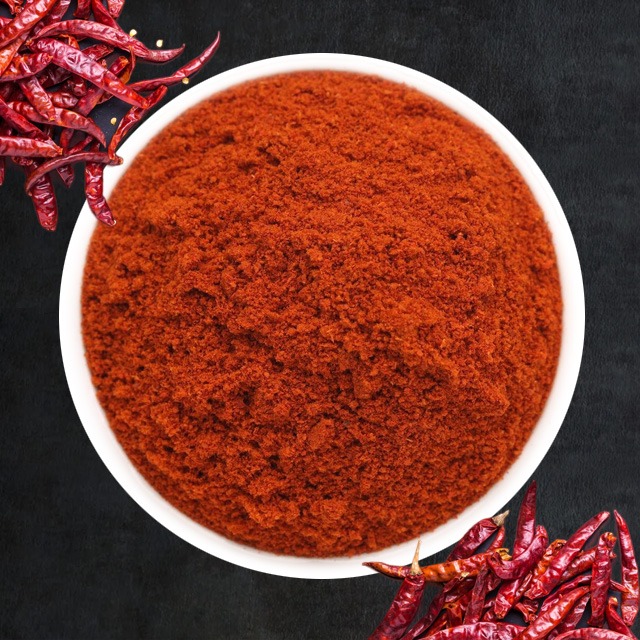
Guntur Karam without salt is priced at ₹150 and skips the added sodium that most packaged chili powders bake in, which means you decide how much salt goes into your rice or idli. Guntur chilies are known for sharp, front-loaded heat rather than a slow burn, so a little goes further than with Kobbari or Nuvvula podi. This is the pick for people who already know they like heat and don't want a powder fighting their salt intake. Verdict: Buy if you like heat, Skip if you're new to podi — it's the sharpest of the five.
5. Sambar Podi
Sambar Podi, priced at ₹90, is built for lentil-based sambar rather than dry rice mixing — it leans on coriander, toor dal, chana dal, and urad dal rather than the coconut, sesame, or chili base the other four rely on. Stirred into hot rice on its own, it comes across flat and under-seasoned because it's formulated to bloom in liquid, not oil. It's a genuinely good sambar powder — just not the right tool for this specific job. Verdict: Skip for rice and idli mixing; keep it for actual sambar.
Comparison table
| Podi | Base ingredient | Heat level | Best with | Verdict |
|---|---|---|---|---|
| Kobbari Podi | Roasted coconut, red chili | Medium | Hot rice, ghee | Buy |
| Nuvvula Podi | Sesame, garlic, chili | Medium-high | Idli, dosa | Buy |
| Putnala Podi | Roasted gram | Mild | Rice, kids' plates | Buy |
| Guntur Karam (no salt) | Guntur dry red chili | High | Rice, spice-forward eaters | Buy for heat lovers |
| Sambar Podi | Coriander, toor/chana/urad dal | Mild | Sambar, not dry rice | Skip for this use |
Where to buy
- Buy in small packs first — a fresh 100-150 gram pack lets you test how a podi behaves with your rice and oil ratio before committing to a bulk order.
- Check that the seller states whether salt is pre-added, since that changes how much you use per serving.
- If you're ordering from outside India, confirm the seller ships overseas — Tulasi Pickles ships podi, pickles, and papads across India and internationally, which matters if you're stocking up for a household that isn't near an Andhra kitchen.
FAQ
What is the best andhra podi for plain rice?
Kobbari Podi is the best andhra podi for plain rice in 2026 because its coconut base binds well with ghee or sesame oil without needing extra liquid. Nuvvula Podi is the second choice if you want more garlic and less coconut sweetness.
Which podi works best with idli and dosa?
Nuvvula Podi is the standard pick for idli and dosa because its sesame base doesn’t need much oil to stick to the batter’s surface. Kobbari Podi also works but tends to be a touch heavier for a quick breakfast plate.
Is Guntur Karam too spicy for daily use?
Guntur Karam is the hottest of the common Andhra podis because Guntur chilies are bred for sharp, front-loaded heat. Start with a smaller amount than you would with Kobbari or Nuvvula podi, since it’s easy to over-season.
Can I use Sambar Podi for rice mixing?
Sambar Podi is not built for dry rice mixing — it’s formulated to bloom in the liquid of a lentil-based sambar. Mixed straight into rice, it tastes under-seasoned compared to chili- or sesame-based podis.
What’s the mildest Andhra podi for kids?
Putnala Podi, made from roasted gram, is the mildest of the common Andhra podis and works well as a first spice powder for kids. Its nutty, starchy base is gentler than the coconut, sesame, or chili-based options.
How much podi should I mix per plate of rice?
A common Andhra ratio is one to two tablespoons of podi per plate of hot rice with a spoon of ghee or sesame oil, adjusted to taste. Start lighter with Guntur Karam since its heat is sharper than coconut or sesame-based podis.
Does Guntur Karam without salt need extra seasoning?
Yes — Guntur Karam without salt at ₹150 is formulated so you add salt yourself, which gives more control than pre-salted powders. This matters if you’re mixing it into rice that already has salt from other dishes on the plate.
One last thing
A lot of Andhra households don't pick just one podi — they keep Kobbari and Nuvvula side by side and mix half-and-half when neither on its own feels right for that day's rice. It's a cheap way to test which base you actually prefer before committing to a full pack of either one, and it works just as well with idli as it does with plain rice and ghee.
Related guides