
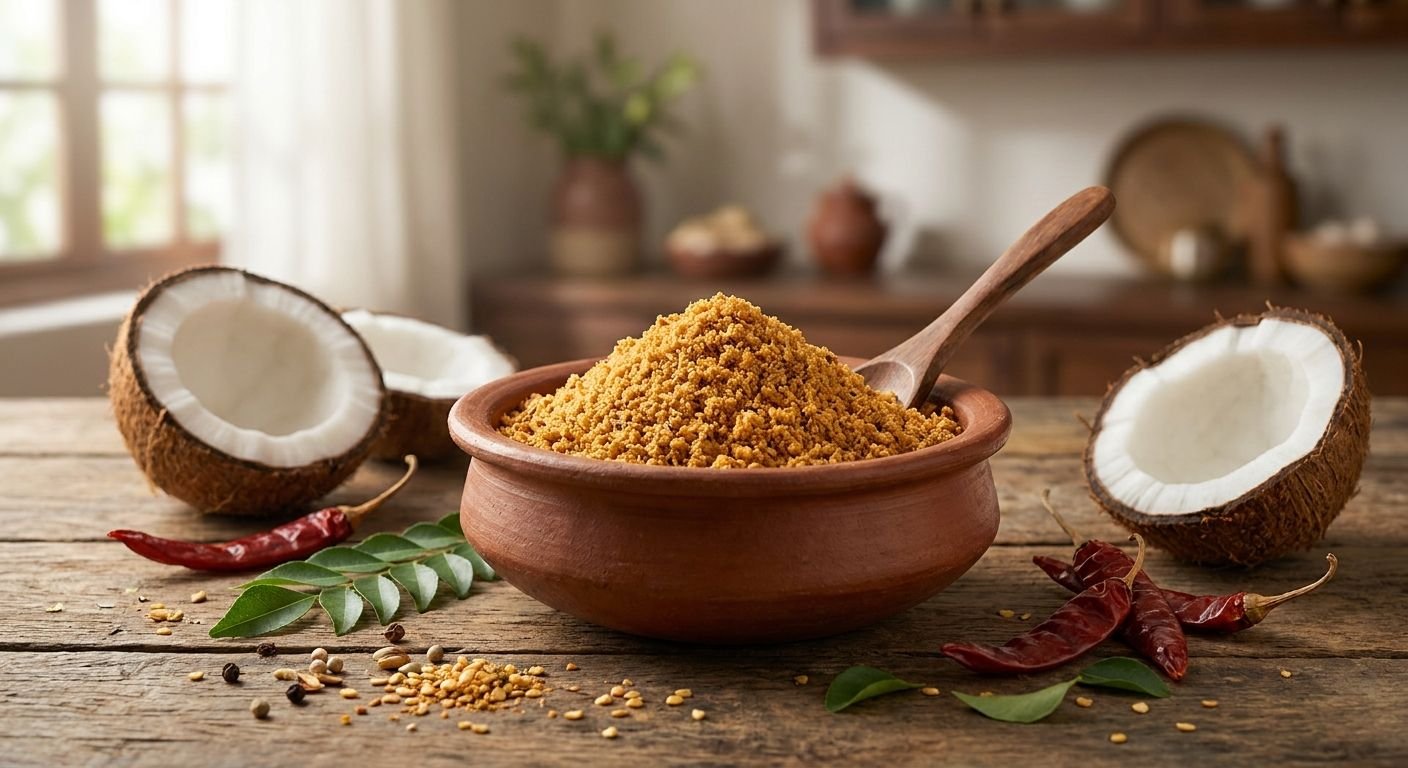
Kobbari podi — coconut chutney powder — is the shortcut version of the fresh coconut chutney every Andhra and Telangana kitchen makes for breakfast. This guide tells you what separates a podi that holds its flavor for weeks from one that turns rancid in ten days, and which Tulasi Pickles podis are worth stocking alongside it in 2026.
- Kobbari podi should smell of roasted coconut first, chilli second — reverse that and the batch is stale or over-oiled.
- Buy in 100-150g packs for home use in 2026; larger packs go rancid before you finish them without refrigeration.
- Pair kobbari podi with Guntur Karam or Sambar Podi from Tulasi Pickles to round out a proper Andhra breakfast spread.
- Skip any podi labeled ‘coconut powder mix’ with sugar or preservatives listed above coconut on the ingredient panel.
Why This Matters
Most coconut chutney powders sold online are cut with peanut or roasted gram to lower cost, and the label rarely says so in plain terms. If you grew up eating kobbari podi with idli and dosa, a diluted version tastes flat within the first spoon.
Tulasi Pickles doesn't currently list a coconut podi in its spice powder and pickle collection, but the same sourcing standards that go into its Andhra podis apply to how you should judge any kobbari podi before buying. This guide uses those standards to separate the real thing from the filler.
Who Kobbari Podi Is For
This is for anyone who eats idli, dosa, or upma three or more times a week and wants a chutney substitute that doesn't need a mixer grinder at 7 AM. It's also for NRIs and hostel-goers who can't get fresh coconut easily but still want that toasted-coconut hit with every meal in 2026.
If you eat chutney once a month as a garnish, a small 100g pack is enough. If it's a daily staple, plan your buying cycle around freshness, not price per kilo.
What to Look For in Kobbari Podi
Coconut-to-lentil ratio
Authentic kobbari podi leads with desiccated or fresh-dried coconut, with urad dal and chana dal as texture and shelf-life support, not as bulk filler. If the ingredient list puts dal before coconut, you're buying a lentil podi with coconut flavoring.
Roast level
Under-roasted coconut podi tastes raw and turns rancid faster because residual moisture is still trapped in the flakes. Over-roasted batches taste bitter and lose the sweet coconut note that makes this podi worth eating in the first place.
Oil separation
A good kobbari podi is dry to the touch, not clumped into oily lumps. Coconut has natural fat, and heat plus time pulls that fat to the surface — a pack that's oily on day one was either ground too hot or sitting on a shelf too long before packing.
Chilli and salt balance
The chilli should support the coconut, not mask a stale batch. If your first bite is dominated by heat with no coconut sweetness underneath, the maker is hiding quality problems behind spice.
Shelf life without preservatives
Homemade kobbari podi without added preservatives typically holds well for 3-4 weeks at room temperature and longer refrigerated. Anything claiming a 6-month shelf life at room temperature outside a sealed vacuum pack is worth a second look at the label.
“If the podi smells like coconut oil before it smells like coconut, skip it.”
Podi Picks Worth Stocking Alongside Kobbari Podi
A proper Andhra breakfast table rarely runs on one podi. Here's what pairs well next to kobbari podi if you're building out a spice powder shelf in 2026.
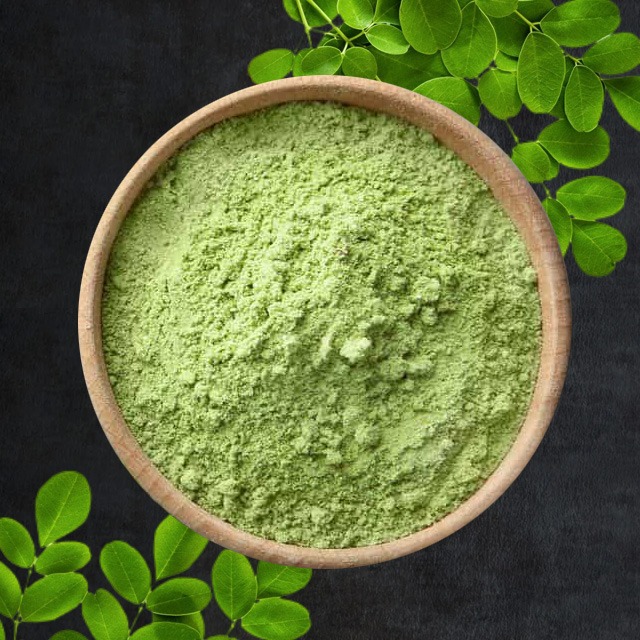
Munagaku Podi — the health-forward pick. This is 100% moringa leaf powder, not a spice blend, priced at ₹150 for the pack. It gives you a nutrient-dense option to rotate with coconut podi on days you want less oil and more greens. Buy if you're stocking a rotation of podis rather than relying on one.
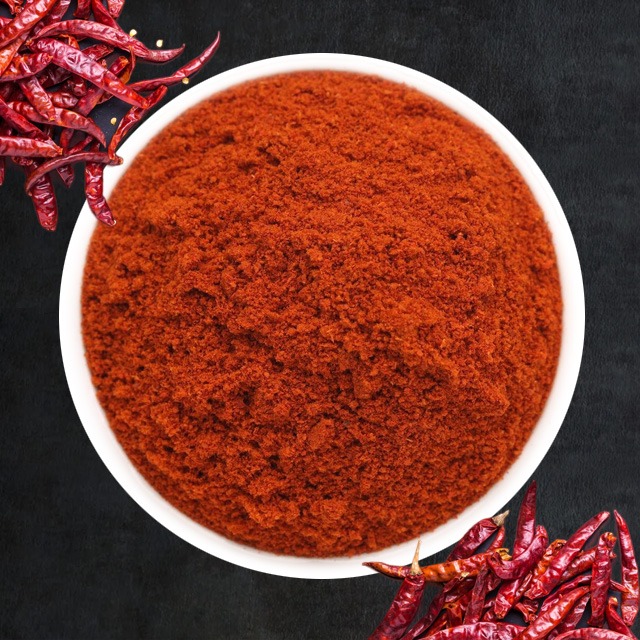
Guntur Karam — the heat pick. Made without added salt so you control seasoning yourself, priced at ₹150. This is the podi to reach for when kobbari podi feels too mild for a rice-and-ghee meal. Buy if you eat spicy rice regularly; Skip if you're sensitive to raw chilli heat.
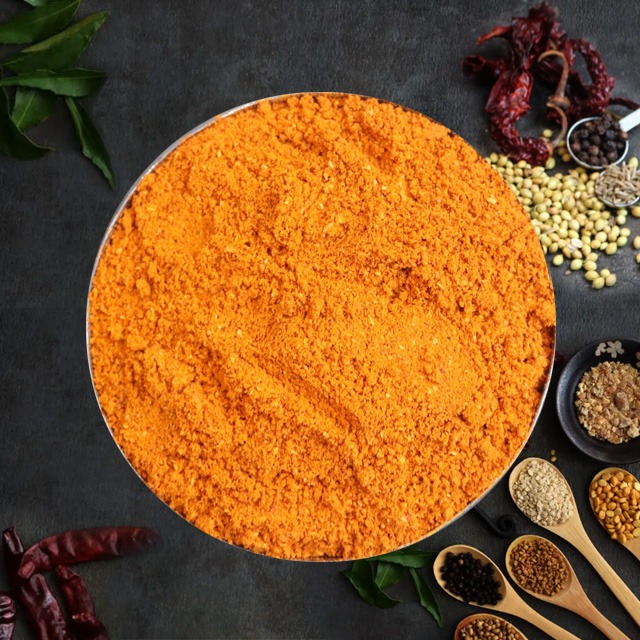
Sambar Podi — the everyday utility pick. At ₹90, this is the cheapest of the three and the one you'll use fastest, since it goes into sambar, rasam, and vegetable curries rather than just chutney duty. Buy for daily cooking; it's not a chutney substitute, so don't expect it to replace kobbari podi on the breakfast plate.
What to Avoid
- "Coconut milk powder" mislabeled as kobbari podi — these are sweetened, meant for beverages or desserts, and will ruin a savory chutney application.
- Bright white desiccated coconut podi with no visible roast color — if it looks like raw shredded coconut with chilli powder mixed in cold, it hasn't been roasted properly and won't hold flavor past a week.
- Bulk 500g+ packs from unfamiliar sellers at steep discounts — coconut fat turns rancid faster than most spice powders; a deep discount on a large pack usually means someone is clearing old stock before it turns.
Verdict Comparison
| Criteria | Kobbari Podi (ideal) | Munagaku Podi | Guntur Karam | Sambar Podi |
|---|---|---|---|---|
| Primary use | Chutney substitute | Daily nutrition boost | Rice/curry heat | Sambar and rasam base |
| Shelf life (room temp) | 3-4 weeks | Longer, leaf-based | 4-6 weeks | 4-6 weeks |
| Best paired with | Idli, dosa, upma | Rice, curd rice | Steamed rice, ghee | Vegetables, dal |
| Price reference (2026) | Varies by seller | ₹150 | ₹150 | ₹90 |
| Verdict | Buy fresh-roasted only | Buy | Buy | Buy |
FAQ
What is kobbari podi made of?
Kobbari podi is made from roasted desiccated or fresh coconut, urad dal, chana dal, dried red chillies, and salt. The coconut should be the dominant ingredient by volume, not the dal.
How long does kobbari podi last?
A homemade kobbari podi without preservatives lasts 3-4 weeks at room temperature in 2026, and longer if refrigerated in an airtight jar. Oily texture or a sour smell means it’s turned.
Is kobbari podi the same as coconut chutney powder?
Yes, kobbari podi and coconut chutney powder are the same thing — kobbari is the Telugu word for coconut. Both refer to the dry-roasted mix eaten with idli and dosa.
Can kobbari podi replace fresh coconut chutney?
It replaces fresh chutney for daily convenience, mixed with a little oil or ghee and water into a paste. It won’t fully match the texture of freshly ground coconut, but a well-made batch comes close.
Does kobbari podi need refrigeration?
Refrigeration extends shelf life past the standard 3-4 weeks and is recommended in humid climates or during Indian summers. Without refrigeration, use it up within a month.
What goes well with kobbari podi besides idli and dosa?
Kobbari podi works mixed into hot rice with ghee, sprinkled over upma, or stirred into curd rice. It also works as a quick topping for roti when you’re short on time.
Why does my kobbari podi taste bitter?
Bitterness usually comes from over-roasting the coconut or dal past the golden stage into a dark brown. It can also happen if the chillies used were old or improperly dried before grinding.
How much kobbari podi should I buy at a time?
For daily use, a 100-150g pack lasts a single person about 3-4 weeks. Buying more than that in one go increases the risk of the coconut oil turning before you finish it.
One Last Thing
The telltale sign of a good kobbari podi has nothing to do with the label — it's whether the powder sticks slightly to a dry spoon after a week in the jar. That light tack means the coconut oil is still fresh and hasn't oxidized; a podi that stays bone-dry and crumbly for a month either had the fat stripped out during processing or was never made with real coconut in the first place.
Related Guides
- Putnala Podi for roasted gram spice powder fans
- Best Andhra pickles for authentic homemade taste
- Homemade pickles in Hyderabad delivered fresh across India