
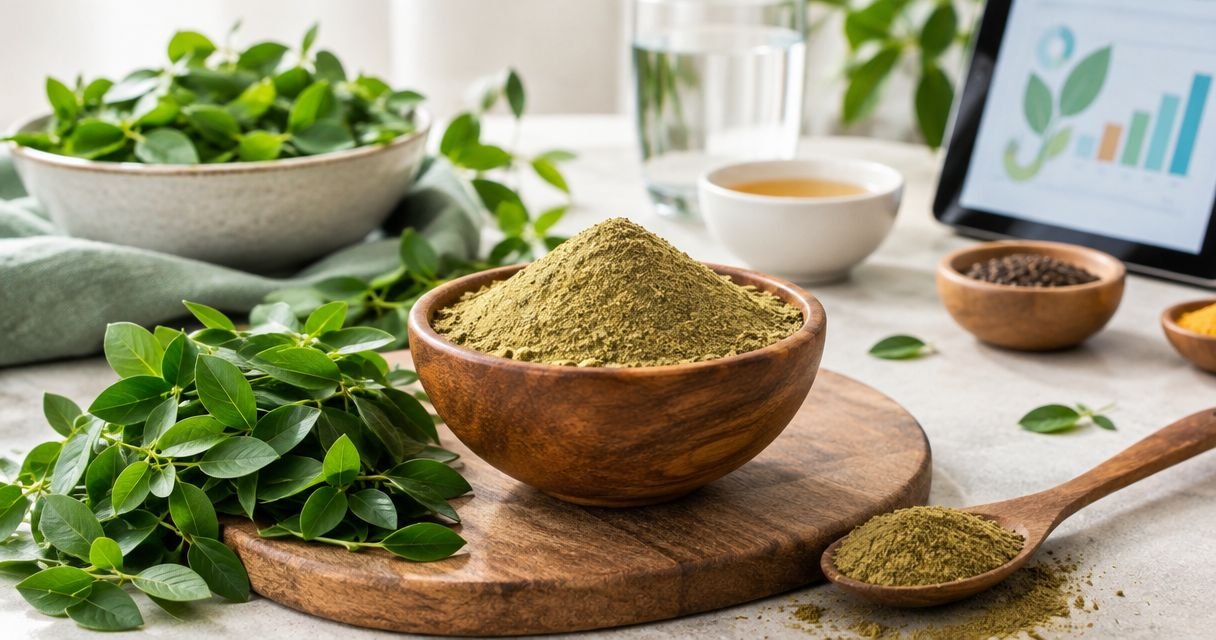
Best for spicy Andhra rice: Tulasi Pickles Munagaku Karam Podi. Best for plain moringa leaf powder: Munagaku Podi. This 2026 guide compares the two products by ingredients, intended use and limitations so you choose the right kind of munagaku podi, not just a familiar name.
- Tulasi Pickles Munagaku Karam Podi is the pick for buyers seeking a spicy Andhra drumstick-leaf powder.
- Choose Munagaku Podi when you want plain dried moringa leaves rather than a seasoned spice blend.
- Munagaku podi and munagaku karam podi serve different purposes; compare ingredients before choosing.
- Check the complete label for allergens, storage instructions and intended use before ordering.
Why this matters
Munagaku means drumstick leaves, also called moringa leaves. But a search for munagaku podi brings together two different foods: plain powdered leaves and a seasoned Andhra podi containing those leaves. Buying one when you wanted the other changes what you can do with it.
Tulasi Pickles lists both plain Munagaku Podi and Munagaku Karam Podi. For Andhra rice meals, the karam version is the relevant choice; for adding plain leaf powder to your own cooking, choose the unseasoned version.
The useful buying question in 2026 is therefore not simply which brand appears first. It is whether the exact product matches your meal, your ingredient preferences and the amount of seasoning you want to control yourself.
What makes the best munagaku podi?
Use these criteria before comparing names or packaging. In 2026, a clear distinction between plain powder and a spice blend matters more than a broad claim about traditional taste.
- Product identity: The listing should clearly distinguish plain moringa leaf powder from munagaku karam podi.
- Ingredient clarity: Read the complete ingredient list rather than assuming every drumstick-leaf powder contains the same seasonings.
- Meal fit: Choose a seasoned podi for a spicy accompaniment and plain powder when you want to build the flavour yourself.
- Dietary suitability: Check declared allergens and ingredients against your needs. A leaf-based name does not describe the whole recipe.
- Storage guidance: Look for readable instructions covering storage and handling after opening.
- Label consistency: The product title, description and delivered pack should identify the same food.
These criteria keep the decision practical. A plain powder does not become a better rice seasoning because its ingredient list is shorter, and a seasoned blend does not replace plain moringa in a recipe that specifically calls for it.
Munagaku podi options at a glance
| Product | Best for | Standout distinction | Key limitation |
|---|---|---|---|
| Munagaku Karam Podi | Spicy Andhra rice accompaniment | A spicy drumstick-leaf podi | Not a substitute for plain leaf powder |
| Munagaku Podi | Adding plain moringa leaves to your own cooking | Contains only dried drumstick leaves | Does not provide a prepared Andhra spice blend |
The table ranks the products by use case, not by a claimed taste-test score. Choose the first option for a seasoned accompaniment; choose the second when the leaf powder itself is the ingredient you need.
1. Munagaku Karam Podi: best for spicy Andhra rice
Munagaku Karam Podi is an Andhra drumstick-leaf spice powder. Its product description identifies it as a spicy podi combining drumstick leaves with other ingredients, which makes it the relevant option when you want seasoning rather than plain powdered leaves.
The key distinction is purpose. You are choosing a prepared spice blend, not a neutral ingredient to season entirely from scratch. Read the complete ingredient list before deciding whether its recipe suits your household.
Munagaku Karam Podi pros:
- Clearly identified as a spicy drumstick-leaf powder.
- Matches buyers looking specifically for Andhra-style karam podi.
- Provides a different starting point from plain moringa powder when seasoning rice.
- Keeps the drumstick-leaf ingredient central to the product choice.
Munagaku Karam Podi cons:
- Does not suit a recipe that requires only plain moringa leaves.
- A spicy blend is the wrong choice when you want an unseasoned powder.
- The product name alone does not establish its complete allergen or ingredient profile.
Best for: You want a drumstick-leaf podi for a spicy Andhra meal rather than an ingredient for a custom recipe.
Before mixing it through a full plate, taste a little with the food you intend to serve. Judge the combination, not just the dry powder: rice, accompanying dishes and any added fat all affect your experience of the seasoning.
Verdict: Buy Munagaku Karam Podi for spicy rice meals; skip it when your recipe requires plain moringa powder.
2. Munagaku Podi: best for plain moringa leaf powder
Munagaku Podi contains only dried drumstick leaves, according to its product description. It is the choice for buyers who want the leaf ingredient without a prepared karam blend.
That simplicity gives you control over the rest of the recipe. It does not promise the same eating experience as an Andhra spice powder, so choose it for ingredient flexibility rather than expecting a finished rice accompaniment.
Munagaku Podi pros:
- Contains only dried moringa leaves, as stated in the listing.
- Separates the leaf ingredient from the seasonings you add yourself.
- Fits recipes that specifically call for plain moringa leaf powder.
- Makes the plain-versus-seasoned distinction straightforward.
Munagaku Podi cons:
- Does not provide the seasonings of a prepared karam podi.
- Requires you to decide how it fits your recipe and flavour preferences.
- Is not an equivalent replacement when you specifically want a spicy Andhra accompaniment.
Best for: You want plain drumstick-leaf powder and prefer to choose the other ingredients yourself.
Keep expectations tied to the product identity. A leaf powder is an ingredient, not a promise that every dish will taste like a familiar homemade podi. Follow the recipe you are using and assess the flavour before adding more.
Verdict: Buy Munagaku Podi for plain moringa cooking; skip it if you want a prepared spicy rice seasoning.
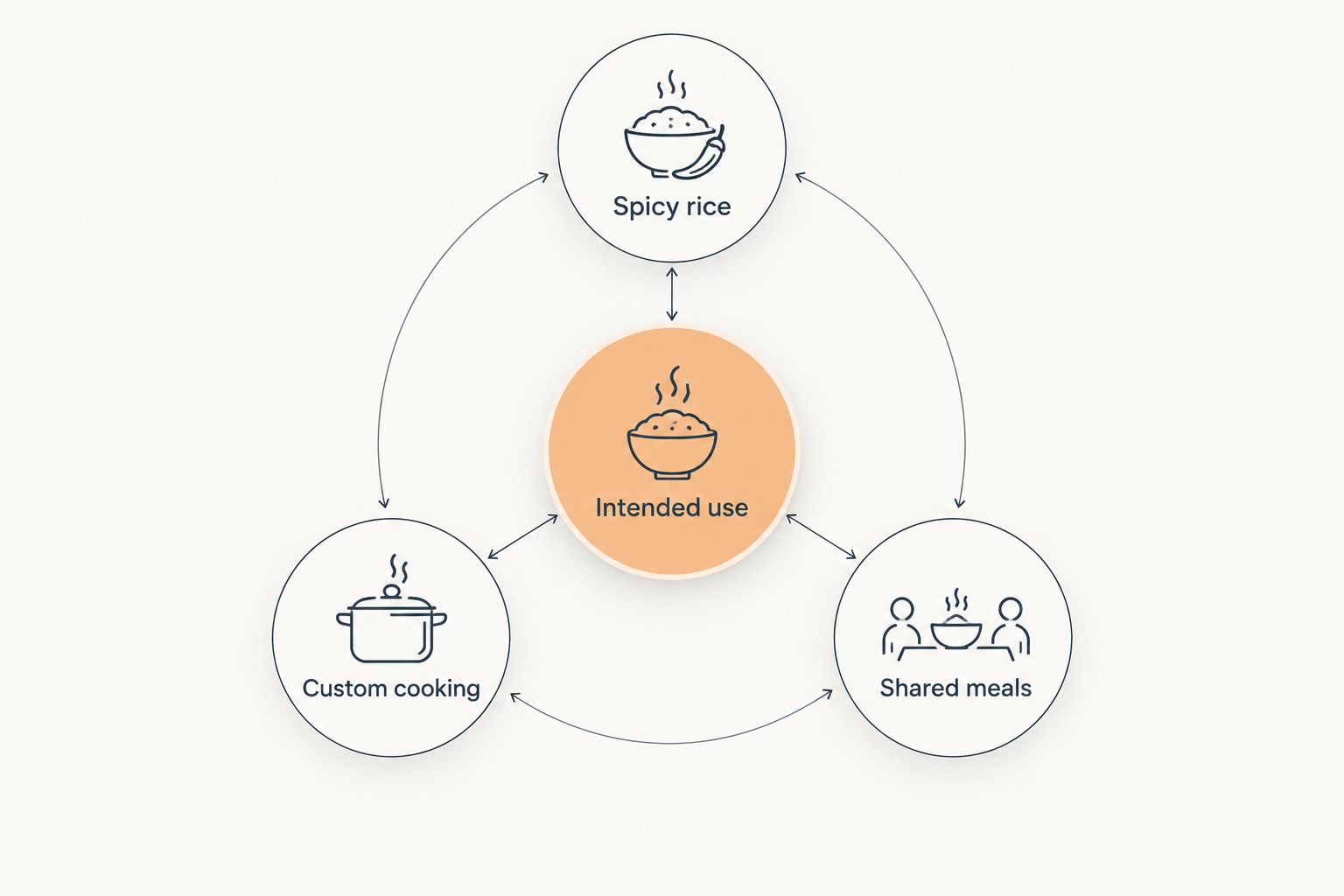
Choose by the meal you actually make
Start with your intended use, then select the powder. This is more reliable than choosing a product first and trying to make it fit every meal afterwards.
- Spicy rice: Choose Munagaku Karam Podi when the aim is a seasoned Andhra accompaniment.
- Custom cooking: Choose Munagaku Podi when you need plain leaf powder and will supply the remaining ingredients.
- Shared meals: Keep the powder separate initially so each person can decide how much to mix into their own food.
If you are buying for someone else, ask whether they mean plain moringa powder or karam podi. That short question prevents a more fundamental mismatch than choosing a different grind or pack format.
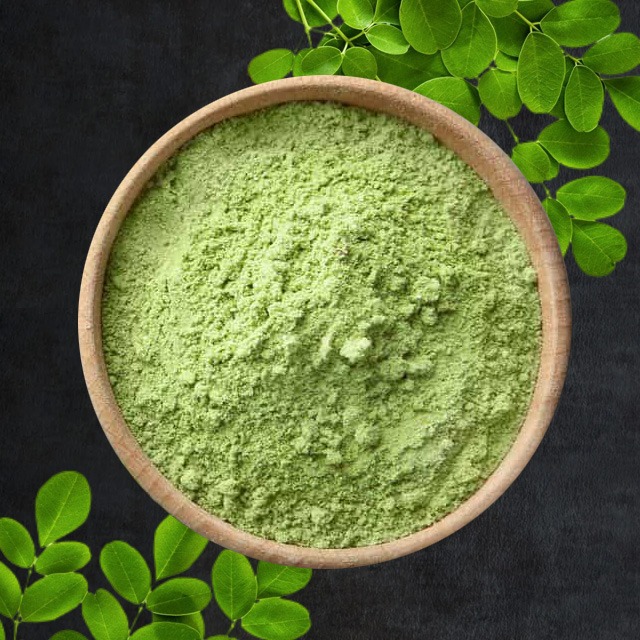
The two relevant products below represent those different uses. Choose on that basis rather than treating them as interchangeable versions of the same seasoning.

Check the label before ordering online
For a 2026 online order, use the exact product description and pack information to make the decision. Similar names are not enough to establish that two powders have the same composition.
Confirm the full ingredients
For plain powder, check that the ingredient statement matches the plain-leaf description. For karam podi, read the whole recipe rather than stopping at the drumstick-leaf ingredient.
If you avoid a particular ingredient, confirm its absence explicitly. Do not infer garlic-free, salt-free or allergen-free status from the product name, a green colour or a photograph of leaves.
Separate food identity from health language
Choose munagaku podi as a food ingredient or seasoning. Broad words such as healthy do not establish its nutrient content, suitability for a medical condition or the right portion for an individual.
Check the pack's nutrition information when a dietary target matters to you. If you need medical advice about moringa products, discuss the exact product and ingredient list with a qualified clinician rather than relying on a shopping description.
Read handling instructions
Find the storage directions and date marking before using the product. Follow the delivered pack's instructions instead of applying the guidance from an unrelated podi.
Also check that the seal and packaging are intact when the order arrives. A familiar product name does not remove the need to inspect the food you receive.
How to use the two powders without confusing them
The easiest approach is to treat seasoned podi as an accompaniment and plain leaf powder as a recipe ingredient. That distinction gives each product a clear job in your kitchen.
Serving Munagaku Karam Podi with rice
Place a little cooked rice in a separate part of your plate and mix in a small amount of the seasoned podi. Taste that mixture before seasoning the rest of the serving.
If you enjoy rice with ghee or oil, add it according to your preference and dietary needs. Avoid adding extra salt automatically; taste the completed mixture first and use the pack's ingredient information to guide you.
Serve other dishes separately at first. This lets you judge whether you like the podi itself before combining it with another strongly flavoured accompaniment.
Cooking with plain Munagaku Podi
Use plain Munagaku Podi in a recipe that calls for moringa leaf powder. The recipe should guide when to add it and how to balance it with the other ingredients.
Do not use a spoonful-for-spoonful substitution between plain powder and karam podi. One supplies the leaf ingredient; the other supplies a seasoned blend, so the resulting dish is different.
When adapting your own recipe, try a small portion before changing the entire dish. This is a cooking check, not a nutritional serving recommendation.
Storage: follow the pack, not a generic shelf-life claim
Keep the powder sealed and follow the product's storage instructions. Use a clean, dry spoon, and close the container after serving rather than leaving it open beside cooking steam.
If you transfer the powder into another container, keep its identity, date marking and handling directions with it. Plain and seasoned powders should remain clearly distinguishable after the original packaging is removed.
Do not assign a fixed after-opening life from appearance alone. The pack's instructions take priority, and visible mould, signs of pests or damp contamination are reasons not to use the powder.
How the recommendations are ranked
The recommendations match the stated product descriptions to two different buying needs. Tulasi Pickles lists a plain dried-leaf powder and a spicy drumstick-leaf podi; the ranking separates those uses rather than claiming one formulation is universally better.
The criteria are product identity, ingredient clarity, meal fit, dietary checks and handling information. This is a use-case comparison, not a cross-brand laboratory test or a sensory scorecard.
Which munagaku podi should you choose?
For a spicy Andhra rice accompaniment in 2026, choose Munagaku Karam Podi. For plain moringa leaf powder, choose Munagaku Podi. The undecided buyer should first answer one question: do you want the leaves alone or a seasoned podi?
Tulasi Pickles offers both product types, but the better choice depends on that answer. Do not buy both simply to resolve uncertainty; identify the meal or recipe you want to make first.
FAQ
What’s the best munagaku podi for spicy Andhra rice?
Munagaku Karam Podi is the relevant choice for spicy Andhra rice because it is a seasoned drumstick-leaf podi. Plain Munagaku Podi serves a different purpose: it supplies dried moringa leaves without a prepared spice blend.
Are munagaku podi and moringa powder the same thing?
Plain munagaku podi is moringa leaf powder, but munagaku karam podi is a seasoned blend containing drumstick leaves. Read the full product name and ingredient list to distinguish them.
Which Tulasi Pickles munagaku podi should I choose?
Choose Munagaku Karam Podi for a spicy Andhra accompaniment and Munagaku Podi for plain dried moringa leaves. The right choice depends on whether you want a spice blend or an ingredient for your own cooking.
Can I replace plain moringa powder with munagaku karam podi?
Do not treat munagaku karam podi as an equivalent substitute for plain moringa powder. Its additional seasonings change the recipe, so use the product type the recipe specifies.
Does every munagaku podi contain garlic or salt?
Do not assume that every munagaku podi contains garlic or salt. Plain leaf powder and seasoned blends differ, so confirm the complete ingredients for the exact product you choose.
How do I eat munagaku karam podi with rice?
Mix a small amount of munagaku karam podi into a little cooked rice and taste before seasoning the full serving. Add any preferred accompaniments separately so you can adjust the finished flavour.
How should I store munagaku podi after opening?
Follow the pack’s storage instructions, keep the powder sealed and use a clean, dry spoon. Retain the date marking and handling directions if you transfer it to another container.
One last thing
The word karam changes the purchase. Before ordering munagaku podi, read beyond the leaf name: plain powder gives you an ingredient, while karam podi gives you a seasoned blend. That distinction matters more than how similar the product photographs look.
Related guides
- How to use podi with idli, dosa and rice
- How to choose the right podi grind for mixing with rice
- Best Andhra podi for rice and idli
- How to mix podi into hot ghee rice