
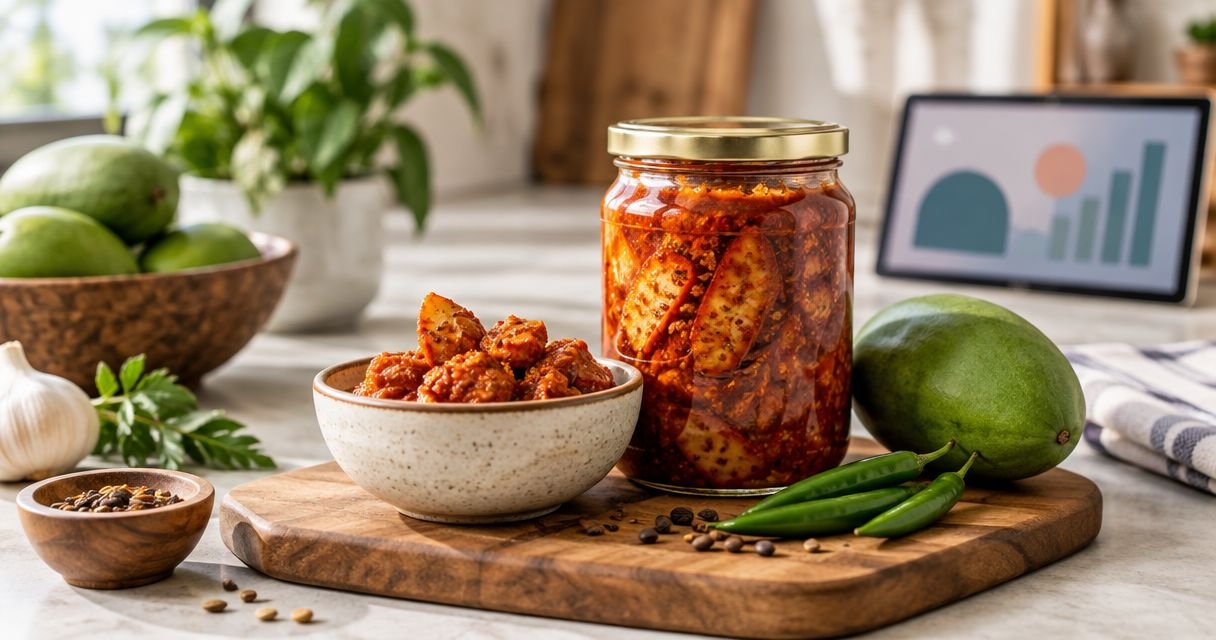
Tulasi Pickles is best for buyers who want homemade Andhra-style pickles alongside podis and traditional meal accompaniments. Yes, it is worth considering for that specific preference in 2026, but choose by ingredients, texture and pack size rather than treating a broad brand recommendation as a guarantee of personal taste.
- Tulasi Pickles reviews should guide an Andhra-pickle purchase, not replace ingredient and storage checks.
- Choose mango pickle for a familiar starting point; choose gongura when you specifically want sorrel leaves.
- Compare vegetarian and non-vegetarian pickles separately, including pack weight and dietary requirements.
- Confirm destination-specific shipping details before placing an overseas order.
Why this matters: A useful review helps you choose the right food, not just the right seller. Someone looking for garlic-free mango pickle has a different requirement from someone buying boneless meat pickle for rice. A recommendation that ignores those differences tells you little about whether you will enjoy your order.
The Tulasi Pickles range includes vegetarian and non-vegetarian pickles, podis, papads, dry fruits, and sweets or snacks. That breadth gives you different ways to build an order. It does not mean every item suits the same household, diet or meal.
Is Tulasi Pickles worth ordering from in 2026?
Yes, when you want Andhra-style food and can match a specific product to how you eat. The clearest reasons to consider an order are the distinct mango preparations, named meat and seafood varieties, and dry spice powders for everyday meals.
The limitation is equally clear: product descriptions explain what you are buying, but they do not establish how spicy you will find it or how much you will enjoy it. Keep that distinction central when reading tulasi pickles reviews in 2026.
| Option | Best for | Supported reason to consider it | Main limitation |
|---|---|---|---|
| Avakaya Pickle (Mango) | Buyers wanting mango pickle with garlic | Made with diced raw mango, garlic cloves, groundnut oil and chilli powder | Does not suit someone specifically avoiding garlic |
| Avakaya Pickle without Garlic (Mango) | Buyers excluding garlic | Described as garlic-free mango pickle | Garlic-free does not establish suitability for every dietary restriction |
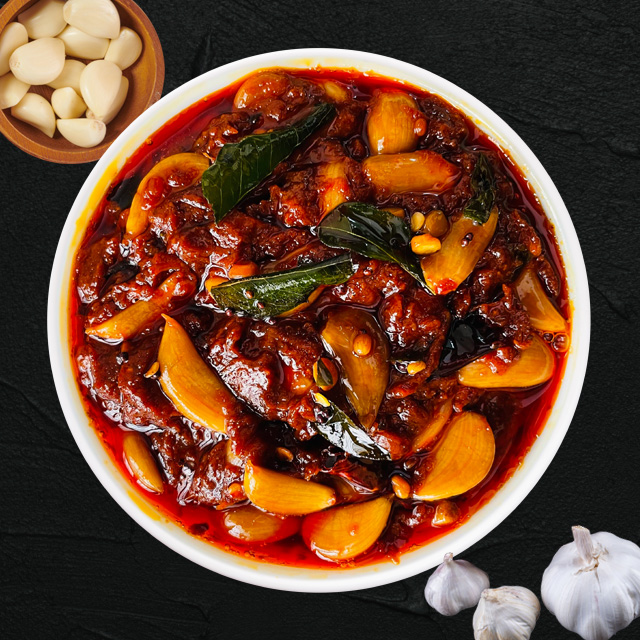
| Garlic Pickle | Buyers who specifically enjoy garlic | Prepared with whole garlic cloves in a 250g pack | Whole cloves are not the same eating experience as a blended condiment |
| Prawns Pickle | Seafood eaters wanting an Andhra-style side | Described as a 500g pack made with freshwater prawns | Unsuitable for someone avoiding prawns or shellfish |
| Mutton Boneless Pickle | Meat eaters preferring boneless pieces | Described as a 500g homemade Andhra-style pickle | Not a vegetarian option; storage instructions still need checking |
These are product-fit comparisons, not a taste ranking. Pick the row that matches your requirements before considering additional items.
Vegetarian pickles: best for choosing a familiar starting point
Start with the main ingredient you already enjoy. Mango, garlic, tomato and sorrel leaves offer different experiences; a positive review of one does not tell you whether another matches your preferences.
The mango range makes this especially clear. Avakaya Pickle (Mango) contains diced raw mango and garlic, while Avakaya Pickle without Garlic (Mango) removes garlic from the stated preparation. Mango Thurumu (Grated) Pickle uses grated raw mango, and Magaya Pickle (Sliced Mango) uses dried mango slices.
Those differences are useful. You can choose by texture and ingredient preference rather than assuming all mango pickles are interchangeable. The trade-off is that a familiar name alone is not enough: read the particular preparation before ordering.
Garlic Pickle is a more specific choice. Its description identifies whole garlic cloves and a 250g pack, making it relevant if the garlic itself is what you want to eat. It is a poor match if you only tolerate garlic as a background seasoning.
Recommendation: choose a familiar ingredient first, then a preparation that sounds appealing. Leave unfamiliar textures for a later order if you want your first purchase to answer a straightforward question about taste.
Non-vegetarian pickles: best for deliberate meat or seafood choices
Choose the protein before choosing the variation. Chicken, mutton, fish and prawns should not be treated as equivalent alternatives simply because they share the word pickle.
Prawns Pickle is described as a 500g pack made with freshwater prawns. Mutton Boneless Pickle is also described as a 500g pack. Matching pack weights helps you compare quantities, but it does not make the foods identical in texture, ingredients or suitability.
Fish Boneless Pickle (Korramenu) identifies both the fish and the boneless preparation. Mutton Kheema Pickle uses minced boneless mutton. These descriptions give you a practical distinction between fish pieces, meat pieces and mince without needing a subjective quality ranking.
The gongura variations introduce another choice. Gongura Chicken Boneless Pickle and Gongura Mutton Pickle combine a named protein with a sorrel-leaf preparation. Choose them because you want that combination, not because an unrelated review praises a different meat pickle.
The benefit is specificity: you can select the protein and preparation you prefer. The drawback is that a mixed household needs separate checks for vegetarian requirements, seafood allergies and other restrictions.
Recommendation: buy the protein you already enjoy, and confirm its storage directions before ordering. Do not infer handling requirements from a vegetarian pickle you have bought before.
Podis and accompaniments: best for building around meals you cook
Podis make sense when your normal meals give you a reason to use them. Kandi Podi is described as an Andhra-style toor dal spice powder, while Idly Karam Podi contains chana dal and urad dal. Sambar Podi is a different kind of purchase: its stated purpose is a South Indian masala blend.
Choose by intended use, not by how many varieties you can add. A spice powder for cooking and a podi you want to serve alongside food solve different needs. Read the individual ingredients rather than treating every powder as a substitute.
The same applies to accompaniments. Minapa Vadiyalu are described as sun-dried black gram fryums, while Gummadikaya Vadiyalu are ash gourd fryums. They add another food category to an order, but you still need to check preparation instructions.
The advantage is choice across a meal. The limitation is extra decisions about preparation, storage and ingredients. Add an accompaniment because you know where it belongs on your plate, not merely to make the basket larger.
Why the ordering experience varies
A useful 2026 buying decision separates product fit from order logistics. These factors deserve individual attention:
- Main ingredient: Mango, garlic, leafy preparations, meat and seafood meet different preferences. A review should identify which one the buyer actually ordered.
- Texture: Diced mango, grated mango, dried slices and minced meat are distinct preparations. Choose the texture you want to eat.
- Garlic preference: The range includes mango pickle with garlic and a specifically garlic-free version. Check the exact name and ingredients.
- Pack weight: Garlic Pickle is described as 250g; Prawns Pickle and Mutton Boneless Pickle are described as 500g. Compare like quantities.
- Destination: The brand ships within India and overseas. Confirm the arrangements relevant to your address rather than applying another buyer's delivery experience to your order.
- Handling requirements: Follow the directions for the particular food. Do not assume every pickle or podi uses the same storage method.
No single review can resolve all these points. Use customer feedback for the experience it actually describes, then make your own product-specific checks.
How should you read customer reviews before ordering?
Give more weight to specific observations than to broad praise. A review naming the product, describing its texture and explaining the buyer's spice preference is more useful for your decision than a short statement that everything was excellent.
Separate taste feedback from delivery feedback. A buyer can enjoy a pickle but have a delivery complaint, or receive an intact parcel and dislike the flavour. Combining those issues into one overall impression hides what you need to know.
For a 2026 purchase, check the date of the feedback and whether it concerns the same preparation you intend to buy. A comment about grated mango does not establish the texture of diced avakaya. A comment about a domestic shipment does not establish the arrangements for an overseas address.
Look for detail in these areas:
- Product identity: Does the reviewer name the variety clearly?
- Preference context: Does the reviewer explain what they consider spicy, sour or garlicky?
- Parcel condition: Does the feedback describe the condition on arrival rather than simply saying delivery was good?
- Seller response: If there was a problem, does the review explain the communication and outcome?
Do not turn an isolated comment into a universal promise. Use it to identify a question you should ask before paying, especially when an ingredient or delivery requirement is non-negotiable.
How to make a sensible first order
Keep your first order easy to evaluate. Choose food you already understand, establish the practical details, and avoid adding unfamiliar items before you have resolved your main questions.
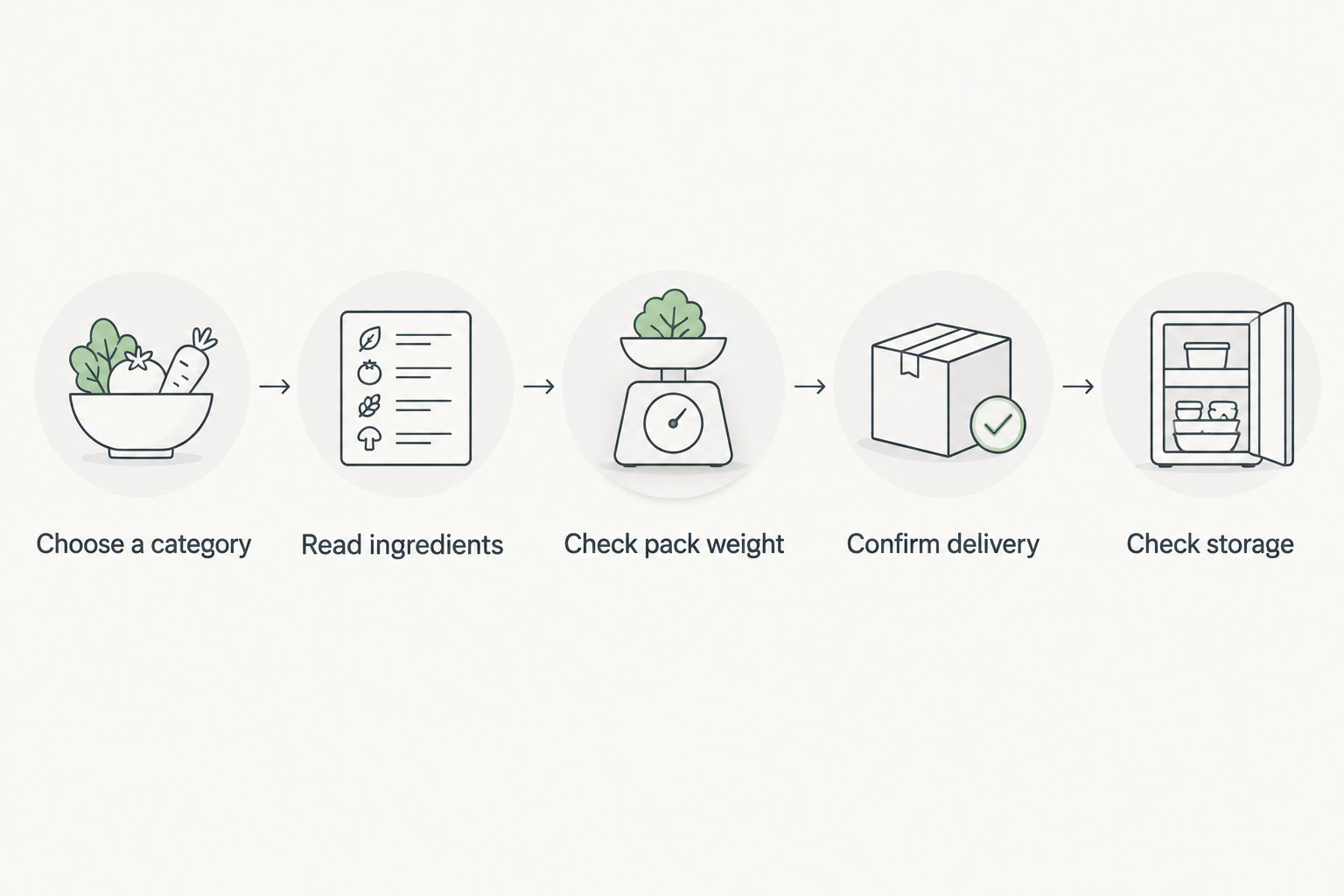
- Choose a category. Decide whether you want vegetarian pickle, non-vegetarian pickle or a podi. Start with the food you expect to use regularly.
- Read ingredients. Check the exact preparation, including garlic, the named protein and any ingredients relevant to allergies or exclusions.
- Check pack weight. Use the listed weight rather than the product photograph to judge quantity. Do not assume all items use the same pack size.
- Confirm delivery. Establish the arrangements for your destination, particularly if you are ordering from overseas or need food for an occasion.
- Check storage. Read the label instructions when the parcel arrives and before opening the food. Keep product-specific directions with the pack.
The products below illustrate distinct choices: mango with garlic, whole garlic cloves, and prawns. Choose by the ingredient you want; these are alternatives for different preferences, not a requirement to order them together.


Is it worth ordering if you live outside India?
Overseas buyers have a clear reason to consider the range: the brand describes shipping overseas to customers seeking Andhra-style food. That makes it relevant, but it does not establish that every product can travel to every destination under identical conditions.
Confirm your country, the exact food and the delivery arrangements before paying. Meat and seafood products need particular attention to destination import requirements; consult the destination's official rules rather than relying on another customer's parcel history.
Use the contact page to ask product-specific questions. State the product name and destination clearly, and ask what storage directions apply after receipt. If you are ordering for a celebration in 2026, establish the delivery expectations before building the menu around the parcel.
Should you place a large first order?
A focused first order is the more useful taste check. Choose products you can assess separately rather than a broad selection whose ingredients and textures are all unfamiliar.
This is especially relevant when several people will share the food. Establish which items suit the household before buying more of the same preparation. A large range is a reason to choose carefully, not a reason to order indiscriminately.
Does homemade mean a pickle suits every diet?
Homemade describes the preparation, not universal dietary suitability. Check the ingredients and nutrition information relevant to your needs rather than treating the description as a health claim.
Garlic-free, vegetarian and boneless also answer different questions. None replaces checking the complete product information. If a medical diet requires specific limits, use the label and advice from your clinician rather than a general pickle review.
FAQ
Is Tulasi Pickles worth ordering from in 2026?
Tulasi Pickles is worth considering if you want homemade Andhra-style pickles and traditional accompaniments. Choose a specific preparation by ingredients, texture and pack weight, then confirm delivery and storage details.
Which mango pickle should I choose if I avoid garlic?
Avakaya Pickle without Garlic (Mango) is the explicitly garlic-free mango option in the described range. Check the complete ingredients for any additional exclusions.
How big is the Garlic Pickle pack?
Garlic Pickle is described as a 250g pack prepared with whole garlic cloves. Use the listed pack information rather than the photograph when judging quantity.
How big are the prawns and boneless mutton pickle packs?
Prawns Pickle and Mutton Boneless Pickle are each described as 500g packs. They contain different proteins, so choose by dietary suitability and preference rather than weight alone.
Can I order Andhra pickles from outside India?
The brand describes shipping across India and overseas. Confirm arrangements for your country and check destination import rules for the exact food before ordering.
Does garlic-free mango pickle suit every restricted diet?
Garlic-free mango pickle only addresses the stated garlic exclusion. Check all ingredients and relevant nutrition information before choosing it for a restricted diet.
What should I look for in pickle reviews?
Look for the exact product name, the review date, specific taste observations and a separate account of delivery condition. Those details help you judge whether the review applies to your intended purchase.
One last thing
The most useful first purchase answers a narrow question: do you enjoy this particular preparation with your usual food? Diced mango, grated mango and dried mango slices all start with mango, yet they give you different textures to evaluate.
For a 2026 order, judge Tulasi Pickles as an Andhra-pickle option against your own meals and requirements. Start with a familiar ingredient, keep the product information, and base any repeat order on what you actually enjoyed—not on the size of the range or a vague review verdict.
Related guides
- How to choose the right spice level in pickles
- How to store homemade pickles for long shelf life
- How to ship pickles overseas without spoilage