
The podi price per kg is the only fair way to compare podi packs, because a small jar and a large pouch of the same blend are never priced in proportion. This page gives you the formula, the factors that move the number in 2026, and a checklist for comparing listings from Tulasi Pickles or any other seller.
- Podi price per kg = pack price divided by pack grams, multiplied by 1000. Always compute it before comparing packs.
- Ingredient drives the gap: dal-based podis like Kandi Podi sit differently from leaf or nut podis like Munagaku Karam Podi.
- Salt-free and plain powders are priced differently from blended karam podis, so compare like with like.
- Tulasi Pickles lists pack weight on each product page; use it to work out your own per-kg figure in 2026.
The short answer
There is no single podi price per kg in 2026. Podi covers plain powders, dal blends, leaf blends and nut blends, and each prices differently. The reliable number is the one you calculate yourself from the pack price and pack weight on the listing.
The formula: price per kg = (pack price ÷ pack weight in grams) × 1000. One kilogram is 1000 grams, so any pack under that weight needs scaling up before you compare it.
For a sense of how single packs are priced, see this breakdown of what idli podi costs per pack.
Why this matters
Sellers price podi by the pack, not by the kilo. A jar that looks cheaper often costs more per kg than the larger pouch next to it. Others reverse that: the bigger pack is not always the better deal, especially for a blend you will not finish before it loses aroma.
The per-kg figure strips out that noise. It is the only number that lets you compare a 100 g jar, a 250 g pouch and a 500 g pack on equal terms.
Podi price benchmark table: what drives the per-kg number
This table groups podi by what sets its price. Pack weights and prices change, so the data lives on each product page; the columns show the driver, not a hard-coded figure.
| Podi type | Main ingredients (from listings) | What moves the per-kg price | Best for |
|---|---|---|---|
| Dal-based karam podi | Toor dal (Kandi Podi), chana dal and urad dal (Idly Karam Podi) | Dal quantity and roasting | Rice, idli, dosa |
| Nut and seed podi | Peanut (Palli Karam Podi), sesame (Nuvvula Karam Podi) | Nut or seed content | Hot rice with ghee |
| Leaf podi | Drumstick leaf (Munagaku Karam Podi), curry leaf (Karivepaku Podi) | Leaf content and drying yield | Rice, curd rice |
| Spice blend | Coriander, toor dal, chana dal, urad dal (Sambar Podi) | Number of whole spices | Sambar and gravies |
| Chilli-led powder | Guntur red chillies (Kura Karam), Guntur Karam without salt | Chilli grade, salt content | Curries, stir-fries |
| Dry ginger podi | Sonti Podi, Sonti Karam Podi | Ginger content and pepper | Rice, digestive meals |
The podulu range in the data covers 15 podi listings across these six groups. Within a group, per-kg prices stay comparable. Across groups they do not, so never rank a chilli powder against a nut podi on price alone.
High and low: which podi types cost more per kg
The pattern is consistent. Nut, seed and leaf podis cost more per kg than plain spice powders, because the main ingredient costs more and yields less after roasting and drying. Plain chilli and spice blends trail on per-kg cost, because the base ingredients are cheaper and sold in bulk.
The widest gaps inside Tulasi Pickles' own podi range sit between the simple blends (Sambar Podi, Guntur Karam without salt) and the ingredient-led podis (Munagaku Karam Podi, Nuvvula Karam Podi, Karivepaku Podi). Open each product page and run the formula to see the exact spread on today's listings.
Methodology and limits
The benchmark drivers above come from the ingredient lists and pack descriptions on the Tulasi Pickles podulu listings in 2026. Per-kg values are not published here because pack weights vary by listing and prices change. One named limitation: some listings are marked out of stock at times, and an unavailable pack cannot be compared until it returns.
To see how pack size changes value across the wider range, read pickle pack sizes ranked by value for money. The same logic applies to podi.
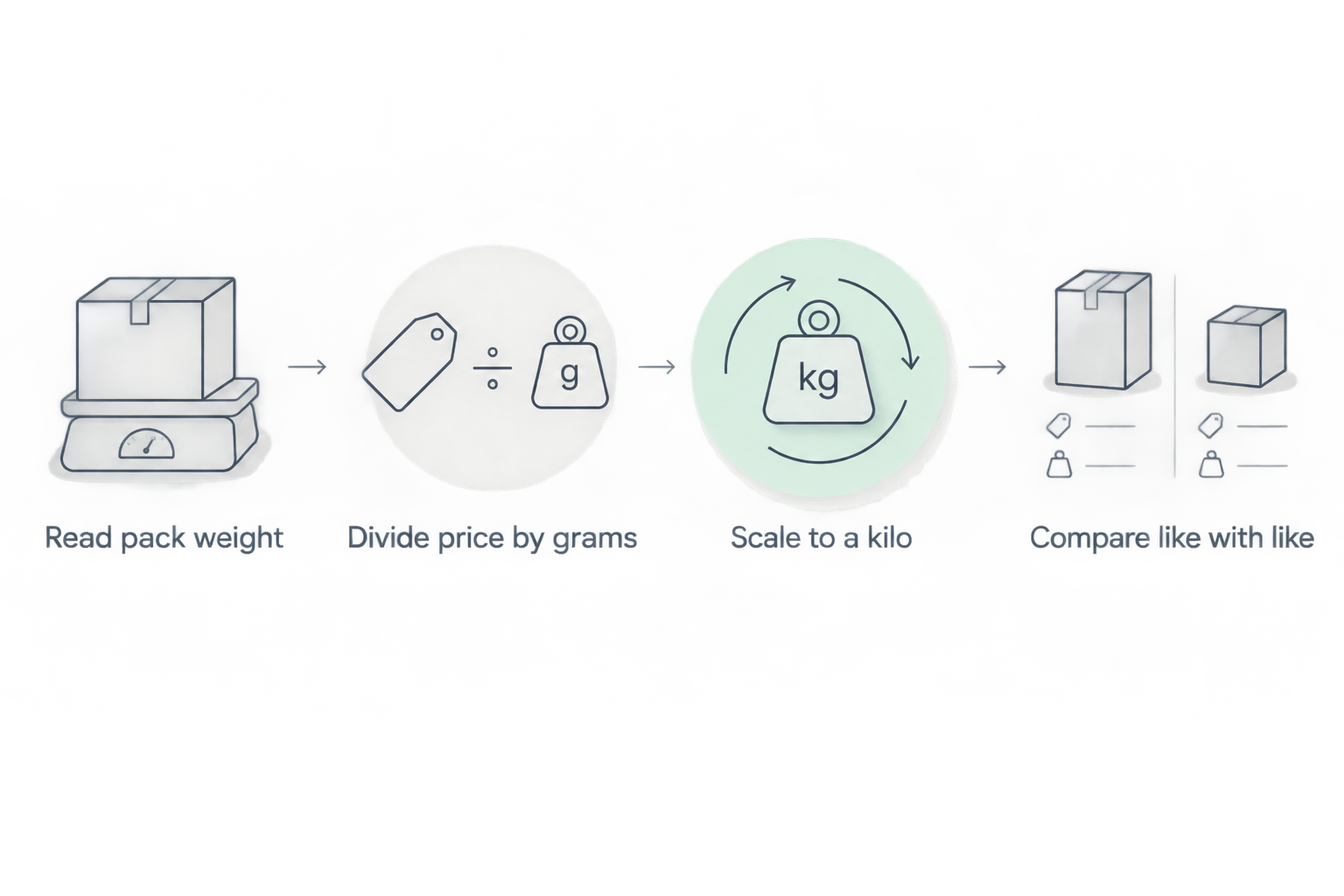
The diagram is the whole method. Read the weight, divide, scale to a kilo, then compare podis of the same type.
How to use these benchmarks in 2026
- Compare within a type. Rank Idly Karam Podi against other dal-based podis, not against Sonti Podi.
- Check salt. Guntur Karam is listed without salt, so it is not the same product as a salted karam podi. Per-kg price differences partly reflect that.
- Match pack size to usage. Buy a larger pack for podi you use daily. Buy small for blends you rotate, since aroma fades after opening.
- Verify the pack weight. The weight on the listing is the number that goes into the formula. A missing weight means no valid per-kg figure.
Honest trade-offs: a bigger pack lowers per-kg cost but raises waste if it sits open for weeks. A smaller pack costs more per kg but keeps the blend fresher. Neither is wrong; it depends on how fast your household uses it.
Four podi worth running the formula on
These four cover the dal, spice-blend, seed and nut groups. Each one is a Buy for a different kind of meal.
- Idly Karam Podi: best for idli and dosa, made with chana dal and urad dal. Buy.
- Kandi Podi: best for rice mixing, toor dal based. Buy.
- Sambar Podi: best for sambar, built on coriander seeds and dals. Buy.
- Nuvvula Karam Podi: best for sesame lovers, a traditional Andhra-style podi. Buy.
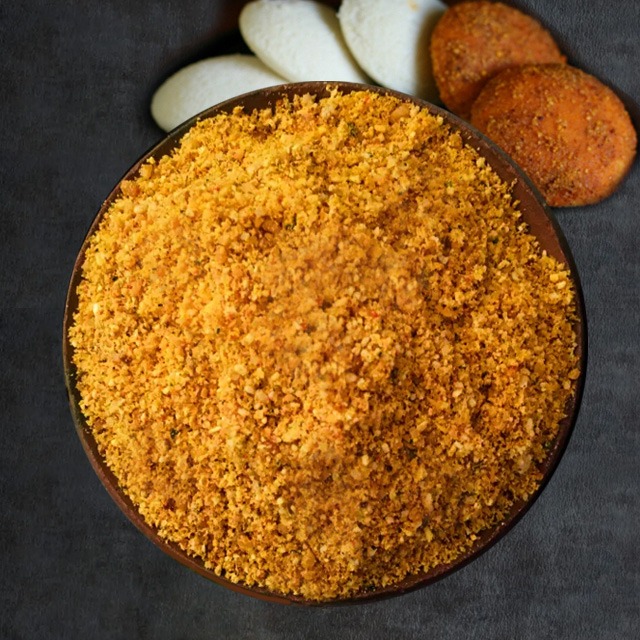
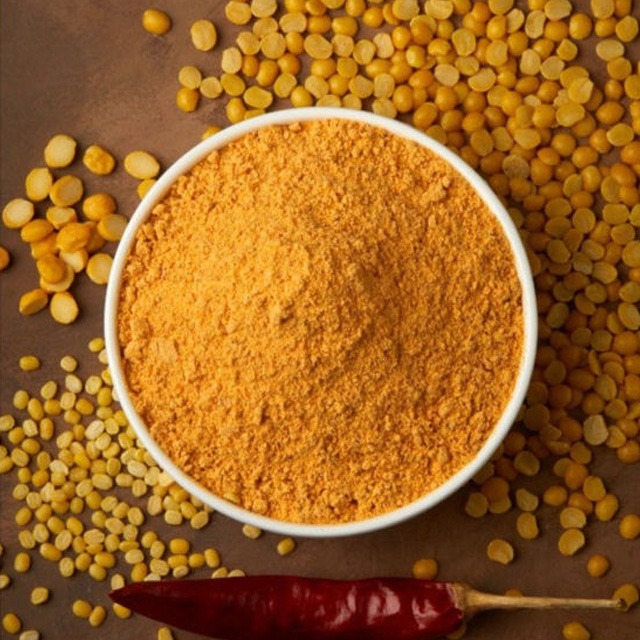
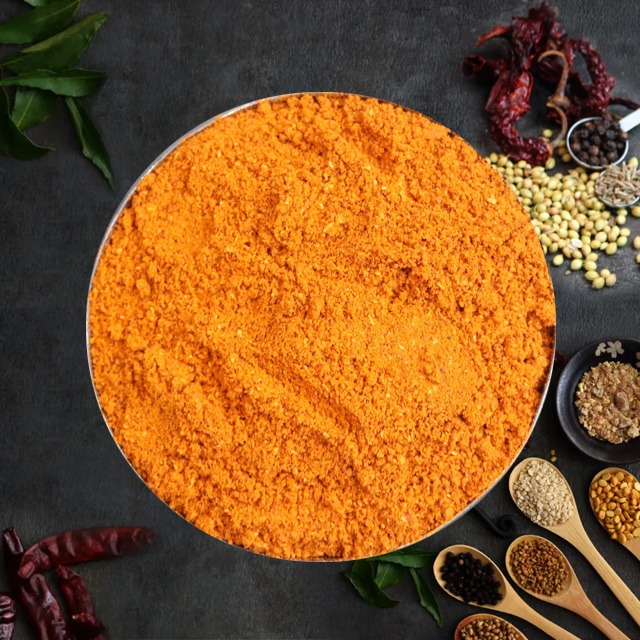
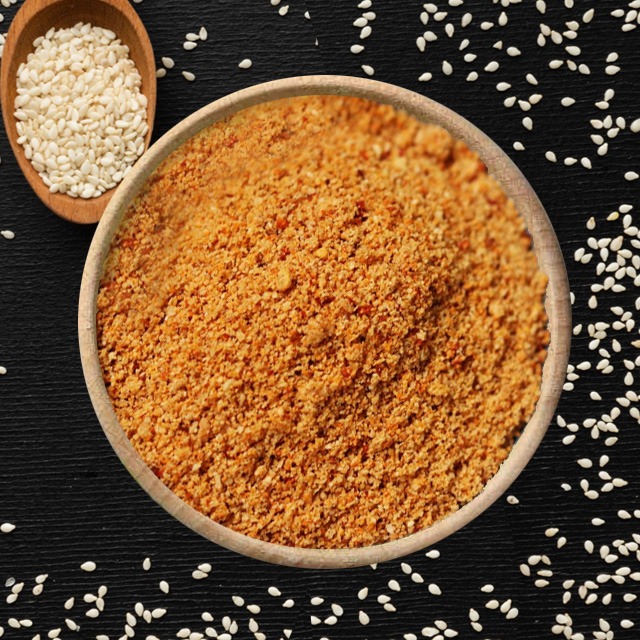
Prices on the cards are the listing prices. Divide each by the pack weight on its page, then multiply by 1000 to get your own podi price per kg.
FAQ
How do I calculate podi price per kg?
Divide the pack price by the pack weight in grams, then multiply by 1000. This works for any pack size and gives a figure you can compare across sellers.
Is a bigger podi pack always cheaper per kg?
Usually, but not always. Check the formula for each pack, because some larger packs are priced close to or above smaller ones.
Why do some podis cost more per kg than others?
Ingredient content drives it. Nut, seed and leaf podis such as Palli Karam Podi or Munagaku Karam Podi cost more to make than simple spice blends.
Should I compare Guntur Karam with a salted karam podi?
No. Guntur Karam from Tulasi Pickles is listed without salt, so it is a different product. Compare it only with other plain chilli powders.
Does pack size affect freshness?
Yes. Podi loses aroma after opening, so a very large pack can waste money if you use it slowly. Match pack size to how fast you finish it.
Where do I find the pack weight?
Each Tulasi Pickles product page lists the pack weight. Use that weight in the formula, not the photo or the title.
Can I compare podi price per kg to pickle price per kg?
You can, but it rarely helps. Podi and pickle differ in moisture, oil and serving size, so compare each within its own category.
One last thing
The cheapest podi per kg is rarely the best value. A podi you finish while it is fresh beats a larger pack that goes stale. Run the formula, pick the pack you will use inside a few weeks, and re-check the listing in 2026 since pack weights and prices change.
Ordering from Hyderabad or looking at the wider range? Start at the Tulasi Pickles homepage.
Related guides
- Andhra pickle brands ranked by price online
- Best podi varieties ranked by spice level
- How to choose the right podi grind for mixing with rice