
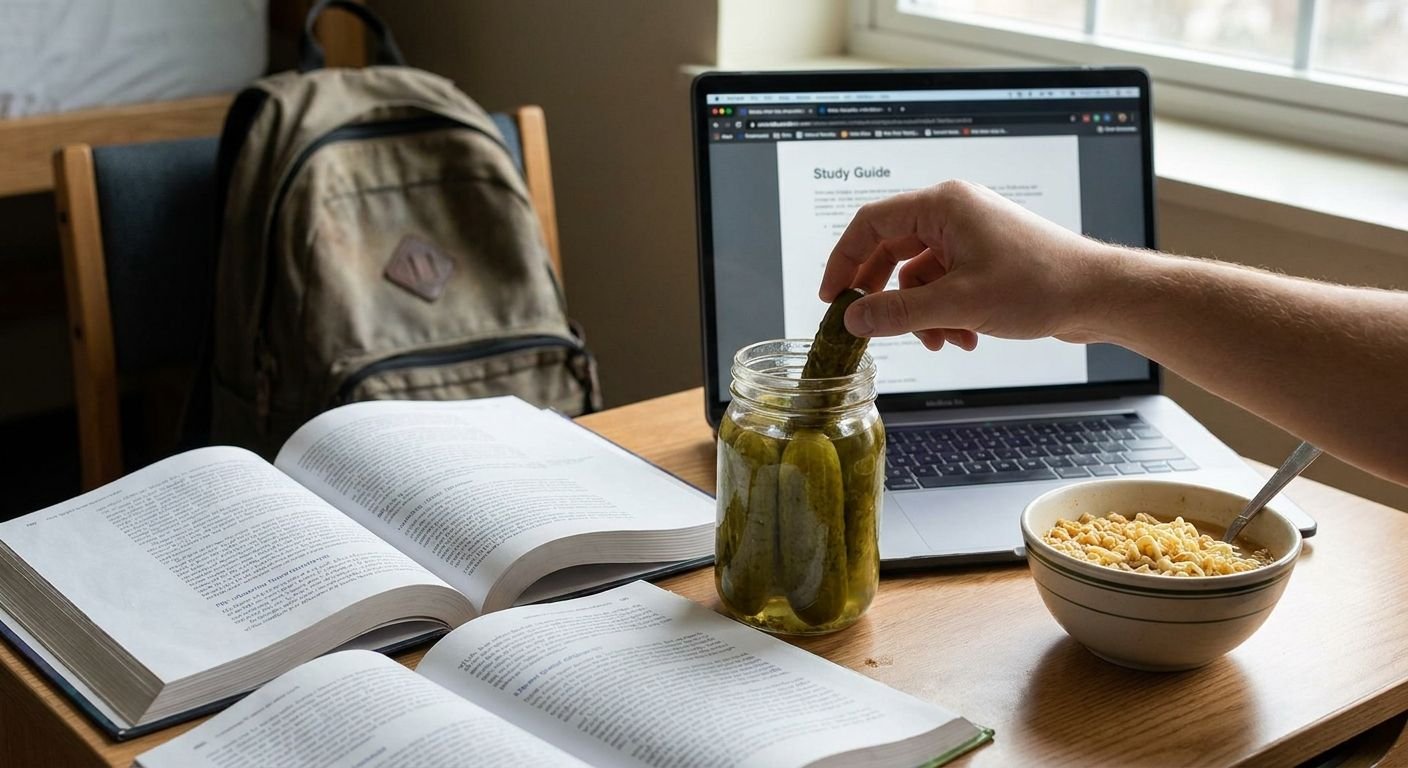
Hostel mess food runs on repetition — dal, rice, a vegetable curry, maybe an egg twice a week — and by week three most students are hunting for something to make the same plate taste different. A jar of the right pickle or podi fixes that without needing a stove, a fridge, or a roommate's permission to use the shared kitchen.
- Chicken pickle at 250g runs roughly Rs 150-220, cheap enough for a monthly hostel budget in 2026.
- Podi varieties made for mixing with rice need zero cooking and last weeks without refrigeration — Buy for daily use.
- Garlic pickle suits students worried about mess-food immunity dips during exam season — Buy.
- Gongura pickle’s tang overwhelms bland hostel rice fast; portion it, don’t binge it — Consider.
- Papads need a tawa or a lighter, which most hostels restrict — Consider only if your mess allows roasting.
Why this matters
A hostel room has three real constraints: no cooking equipment beyond maybe a small induction plate, limited storage, and unpredictable mess quality. Pickles for hostel students solve all three because a sealed jar needs no refrigeration for weeks, takes up shelf space the size of a shoebox, and turns a flavorless plate of rice into something edible in under ten seconds.
The category isn't just Andhra nostalgia. It's a practical answer to a specific problem: hostel food is bland by design (mess caterers cook for hundreds, not for taste), and a 200g jar solves that at a fraction of what ordering food delivery costs every week in 2026.
Who this is for
This guide is for students living in hostels or PGs, away from home cooking, managing a tight monthly budget, with no reliable access to a kitchen. If you're eating mess food five to seven days a week and craving something with actual spice and salt balance, the picks below are built around your constraints — not around a full-scale Andhra thali setup.
What to look for in pickles for hostel students
Shelf life without refrigeration
Most hostels don't have a fridge in every room, and even shared fridges get raided. Look for pickles preserved in oil rather than water-based brines — they hold up on an open shelf for weeks once opened, which matters more than any other spec on this list.
Jar size versus your monthly budget
A large 500g jar looks like value until it sits half-finished and goes rancid because nobody's eating a kilo of pickle solo in a shared room. Smaller 200-250g jars match what one student actually finishes before a hostel semester break.
No-cook compatibility
You're not frying anything in your room. Podis (spice powders) and pickles that mix straight into hot rice or curd rice with a spoon are the only realistic format — anything needing tempering or a pan is a non-starter.
Spice level you can actually handle daily
Mess food is often under-spiced, which tempts students to go for the hottest pickle on the shelf. That backfires by day four when your stomach's had enough chili with every single meal. Pick something you can eat five days a week, not once for bragging rights.
Packaging that survives a shared shelf and courier transit
Jars get knocked over in shared rooms and get shipped across states before that. A pickle in a rice-mixing podi format packed for online veg pickles and non-veg pickles courier delivery in 2026 should arrive without oil leaking through the box — check the seal description before ordering, not after the jar shows up cracked.
Non-veg options that survive shipping
If you eat non-veg and want that at your mess table, oil-based non-veg pickles travel far better than fresh curries and don't need cold storage during transit, which matters if you're ordering from home to a hostel address in another city.
Top picks for hostel students
The budget non-veg pick — Chicken Pickle
One 250g jar runs close to the price of a single restaurant meal delivery order, and it stretches across ten to fifteen meals when you use a spoonful at a time. If your hostel allows non-veg storage and you want protein-forward flavor without cooking anything, this guide on how to pick the right chicken pickle for your budget breaks down what separates a Rs 150 jar from a Rs 300 one. Buy if your hostel mess serves plain rice or roti most nights.
The rice-mixing pick — Podi (spice powder)
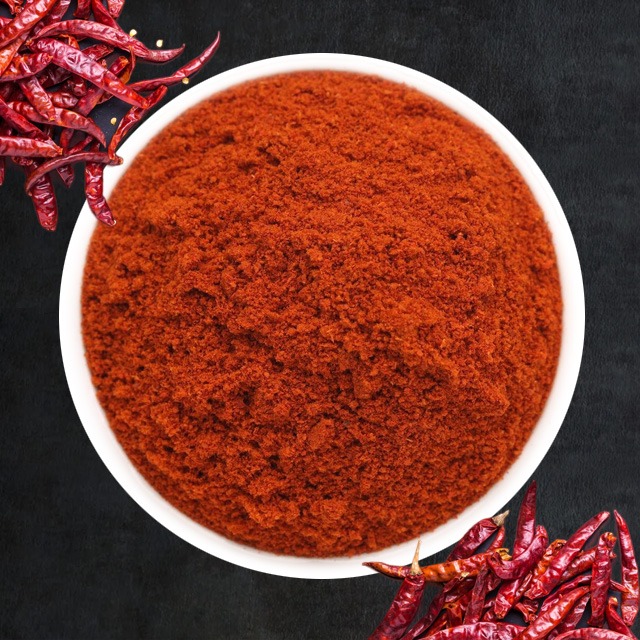
A podi jar needs zero refrigeration, zero prep, and one spoon stirred into hot rice with ghee or oil. It's the single most hostel-practical format in this entire category because it survives months on a shelf and travels in a suitcase without any leak risk. The full rundown on best podi varieties for mixing with rice at home covers which powders pair with plain rice versus curd rice. Buy — this is the default recommendation for any hostel student reading this.
The tangy pick — Gongura Pickle
Gongura's sourness cuts through the flatness of mess dal in a way most other pickles don't, but it's strong enough that a full spoon overwhelms a plate fast. Treat it as an occasional flavor swap rather than an everyday staple. Consider — great two or three times a week, not daily.
The immunity-season pick — Garlic Pickle
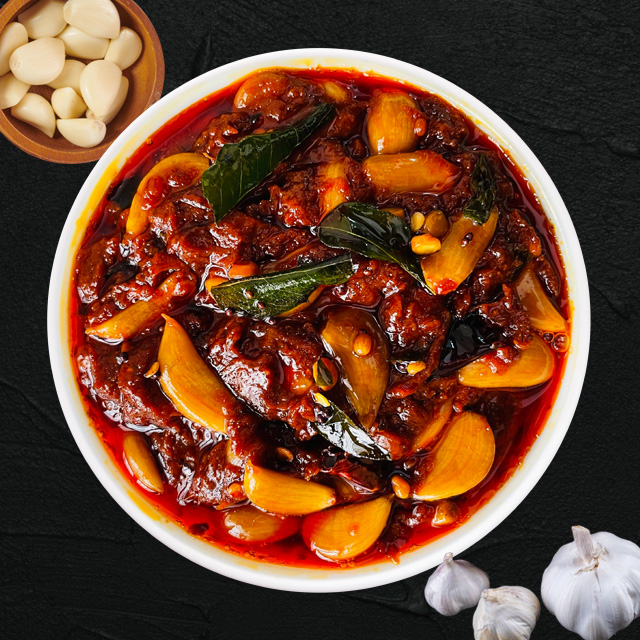
Garlic pickle at roughly Rs 200 for 250g is one of the more affordable jars in the lineup and doubles as something students reach for when mess food quality dips before exams. It's oil-preserved, holds for weeks unopened, and needs no cooking. Buy if you're stocking one jar to last through a full semester's worth of ups and downs.
The occasional-snack pick — Papads
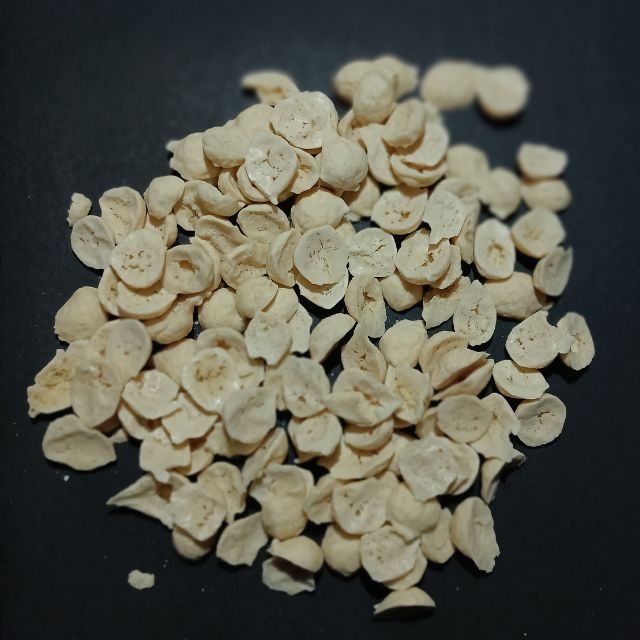
Papads need a tawa, a gas flame, or at minimum a lighter to roast, and plenty of hostels restrict open flame in rooms. Check your hostel's rules before ordering a batch, because an unroasted papad just sits in the packet uneaten. Consider only if your mess or a common area lets you roast one.
What to avoid
- Water-brined pickles marketed as "fresh": they need refrigeration within days of opening and spoil fast on a hostel shelf without a fridge.
- Jars over 500g bought "to save money": a single student rarely finishes it before the oil separates or the jar goes rancid, especially over a long semester.
- Anything requiring tempering (tadka) in your room: if a recipe card on the jar says "heat oil, add mustard seeds," that's not a hostel-room product, no matter how good it tastes at home.
Verdict comparison
| Pick | Format | No-cook? | Shelf life (unopened) | Verdict |
|---|---|---|---|---|
| Chicken Pickle | Oil-based non-veg | Yes | Weeks once opened | Buy |
| Podi (spice powder) | Dry powder | Yes | Months | Buy |
| Gongura Pickle | Oil-based veg | Yes | Weeks once opened | Consider |
| Garlic Pickle | Oil-based veg | Yes | Weeks once opened | Buy |
| Papads | Dry, needs roasting | No | Months unroasted | Consider |
FAQ
What is the best pickle for hostel students in 2026?
A rice-mixing podi or a garlic pickle works best for hostel students in 2026 because both need zero cooking and survive weeks on an open shelf without a fridge. Chicken pickle is the strongest pick for non-veg eaters on a tight budget.
Do pickles need refrigeration in a hostel room?
Oil-based pickles do not need refrigeration and hold for weeks on a normal shelf once opened. Water-brined or fresh-style pickles spoil faster and should be avoided if you don’t have fridge access.
How much does a pickle jar cost for a student budget?
A 250g jar of chicken or garlic pickle from Tulasi Pickles runs roughly Rs 150 to Rs 220 in 2026, enough to last ten to fifteen meals when used a spoonful at a time.
Is podi better than pickle for hostel use?
Podi is more practical for daily use because it’s a dry powder that mixes straight into hot rice with no oil mess and no spoilage risk over months. Pickle adds variety but needs more careful storage once opened.
Can non-veg pickles be shipped safely to a hostel address?
Yes, oil-preserved non-veg pickles like chicken and mutton pickle ship without needing cold storage and arrive intact when sealed properly, unlike fresh non-veg curries.
How long does an opened pickle jar last in a hostel room?
An opened oil-based pickle jar typically holds for several weeks on a normal shelf if you use a dry spoon each time and keep the lid sealed between uses.
What size pickle jar should a student buy?
A 200-250g jar suits one student better than a 500g jar, since smaller sizes get finished before the oil separates or the jar sits too long half-used.
Are papads practical for hostel rooms?
Papads need roasting on a tawa or open flame, which many hostels restrict in individual rooms, so they work only if a common kitchen or mess area allows it.
One last thing
The single biggest mistake hostel students make isn't picking the wrong pickle — it's buying one 500g jar to "save on shipping" and then eating the same flavor every single day until they're sick of it by week two. Two or three smaller 200g jars in different formats (one podi, one veg pickle, one non-veg pickle) rotate better across a full semester and cost close to the same total in 2026 as one oversized jar.
Related guides