
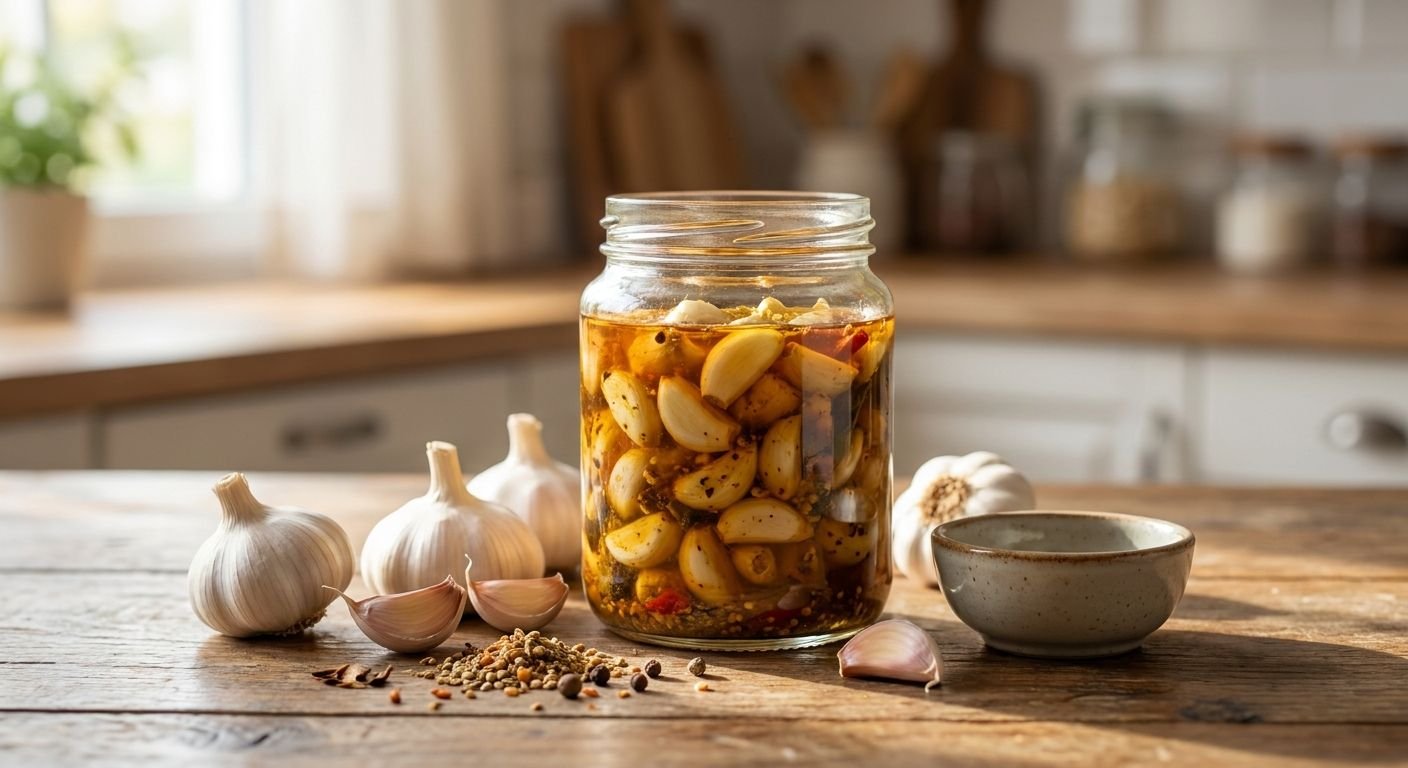
Garlic pickle sits in an odd spot for immunity-conscious pickle lovers in 2026 — it's a genuine kitchen staple loaded with raw allicin, but most jars on the shelf work against the very reason you're buying it.
- Tulasi Pickles’ Garlic Pickle (250g, ₹200) is the safe daily buy for immunity-conscious garlic pickle lovers in 2026.
- Whole-clove garlic pickle beats paste-based jars for allicin content — check the ingredient order before buying.
- Skip heavily oiled or mixed-fruit garlic pickle blends if you want a clean immunity angle from the same jar.
- NRIs and overseas buyers should confirm shipping timelines before ordering garlic pickle for family use.
Why this matters
Garlic's reputation as an immune-support food isn't new — raw garlic releases allicin when crushed or cut, and that compound is why cooks across Andhra Pradesh have pickled whole cloves in oil and chili for generations instead of tossing them into curry. The pickle format is supposed to preserve that raw, cut-clove character while making garlic edible in small daily doses.
The problem is that most commercial garlic pickle jars trade allicin for shelf life. Heavy oil, added preservatives, and garlic paste instead of whole cloves all extend how long a jar sits on a shelf, but they also dilute the reason an immunity-conscious buyer picked garlic pickle over any other condiment in 2026. Tulasi Pickles' homemade pickle collection keeps whole garlic cloves visible in the jar instead of blending them into paste, which matters more than the label copy once you're actually deciding what goes on your plate.
Who this is for
This guide is for the home cook who treats a spoon of pickle with rice or curd as a daily ritual, not an occasional indulgence — the kind of eater who reaches for garlic pickle during cold-and-flu season on purpose. It's also for NRIs who grew up on Andhra-style vellulli pachadi and want a version that tastes like home without leaning on artificial preservation, and for anyone rebuilding a pantry around functional, minimally processed foods in 2026 rather than chasing the biggest jar for the lowest price.
What to look for in garlic pickle for immunity-conscious buyers
Whole cloves, not paste
If the jar shows garlic paste or a smooth reddish mash instead of visible cloves, allicin content drops before it ever reaches your spoon. Whole cloves that have been cut or crushed and then pickled hold their pungency far longer than pre-mashed garlic. Look for cloves you can actually see through the oil.
Oil-to-garlic ratio
A jar that's mostly oil with a few cloves floating in it is selling you flavored oil, not garlic pickle. The ratio should favor garlic — you're paying for the ingredient with the immune benefit, not the medium it sits in. This also affects how much oil ends up on your rice per spoonful.
Spice balance that doesn't mask the garlic
Chili and salt are there to preserve and season, not to bury the raw garlic bite underneath. If the first thing you taste is chili heat and the garlic shows up as an afterthought, the pickle has been formulated for shelf appeal over the ingredient you actually came for.
No mystery preservatives
Traditional Andhra-style pickling uses oil, salt, and sun-curing to preserve garlic without synthetic additives. A short, recognizable ingredient list is a better signal than a long shelf-stable claim, especially for buyers who picked garlic pickle specifically for its natural profile.
Batch freshness over shelf-stable
A pickle made in smaller batches and sold closer to its preparation date tends to hold more of garlic's pungent character than a jar built for a 12-month shelf life. Ask when the batch was made if the listing doesn't say.
Portion-friendly jar size
Garlic pickle is a condiment, not a side dish — a 250g jar eaten a teaspoon at a time lasts weeks. Buying a smaller jar first also means less risk if the spice level or garlic ratio isn't what you expected.
Top picks for immunity-focused garlic pickle buyers
The Everyday Immunity Pick. Tulasi Pickles' Garlic Pickle comes in a 250g jar for ₹200, built around whole garlic cloves rather than paste, which is exactly the spec that matters for this audience. It's homemade, not mass-produced on a factory line, and a single jar covers weeks of daily one-teaspoon servings. Verdict: Buy.
The Overseas Pick. If you're ordering for family abroad or shipping a care package, check the shipping guide for NRIs before you check out — transit time and customs rules for pickled foods vary by country, and garlic pickle's oil base makes packaging matter more than it does for dry spice powders. Get the logistics right first, then order. Verdict: Consider.
The Pantry Builder Pick. If garlic pickle is your entry point into building out a full home pantry of homemade condiments, the overview of homemade pickles delivered across India shows what else ships alongside it — useful if you want to combine one order instead of ordering garlic pickle alone every few weeks. Verdict: Consider.
What to avoid
- Garlic pickle marketed as "extra rich" or "extra oily." More oil per spoon means less garlic per spoon, which works against the immunity angle you're buying for in the first place.
- Mixed pickles that blend garlic with mango, lime, or mixed vegetables. These taste fine, but the garlic content per spoon drops sharply once it's sharing jar space with three other ingredients.
- Jars promising 12+ months of shelf stability at room temperature. That kind of longevity usually comes from preservation methods that trade off the fresh-batch character homemade garlic pickle is supposed to have.
“If the jar lists garlic paste before whole cloves, put it back — you want visible cloves, not garlic-flavored oil.”
Verdict comparison
| Pick | Whole cloves | Oil ratio | Best for | Verdict |
|---|---|---|---|---|
| Tulasi Pickles Garlic Pickle (250g, ₹200) | Yes | Garlic-forward | Daily eaters | Buy |
| Mass-market oily garlic pickle | Rare | Oil-heavy | Long storage only | Skip |
| Mixed-fruit garlic pickle blends | Partial | Varies | Flavor variety, not immunity focus | Skip |
FAQ
What is the best garlic pickle for immunity-conscious buyers in 2026?
A whole-clove garlic pickle with a garlic-forward oil ratio, like Tulasi Pickles’ 250g Garlic Pickle at ₹200, is the safer pick in 2026 than paste-based or heavily oiled jars. Check that cloves are visible in the jar before buying.
Is garlic pickle actually good for immunity?
Raw and cut garlic releases allicin, a compound long associated with immune support, and pickling preserves whole cloves rather than cooking that character away. The benefit depends on how much whole garlic is actually in the jar versus oil and filler.
How much does garlic pickle cost in 2026?
A 250g jar of homemade garlic pickle runs around ₹200 in 2026, depending on the seller and batch size. Mass-produced versions can cost less but usually cut garlic content to hit that price.
Can garlic pickle be shipped overseas?
Yes, oil-based garlic pickle can be shipped internationally, but customs rules for pickled foods vary by destination country. Check a shipping guide before ordering for NRIs to avoid delays or rejected packages.
How is garlic pickle different from garlic chutney?
Garlic pickle preserves whole or roughly cut cloves in oil and spice over weeks, while garlic chutney is typically ground fresh and eaten within days. Pickle has a longer shelf life and a stronger, more concentrated garlic bite.
How much garlic pickle should you eat per day?
A teaspoon or two with rice or curd is a typical daily serving for garlic pickle. It’s a condiment meant to season a meal, not a dish eaten on its own in large quantities.
Does garlic pickle need refrigeration?
Homemade garlic pickle in oil can sit at room temperature short-term but lasts longer refrigerated once opened. Always use a dry spoon to avoid introducing moisture that speeds up spoilage.
Is homemade garlic pickle better than store-bought mass-market versions?
Homemade garlic pickle generally keeps more whole cloves and less filler oil than mass-market versions built for long shelf life. For immunity-conscious buyers, that difference in garlic-to-oil ratio is the main thing to check.
One last thing
The single biggest tell on any garlic pickle jar in 2026 isn't the price or the brand name — it's the ingredient order on the label. If garlic isn't listed first, you're buying an oil-and-chili pickle that happens to contain some garlic, not a garlic pickle.
Related guides