
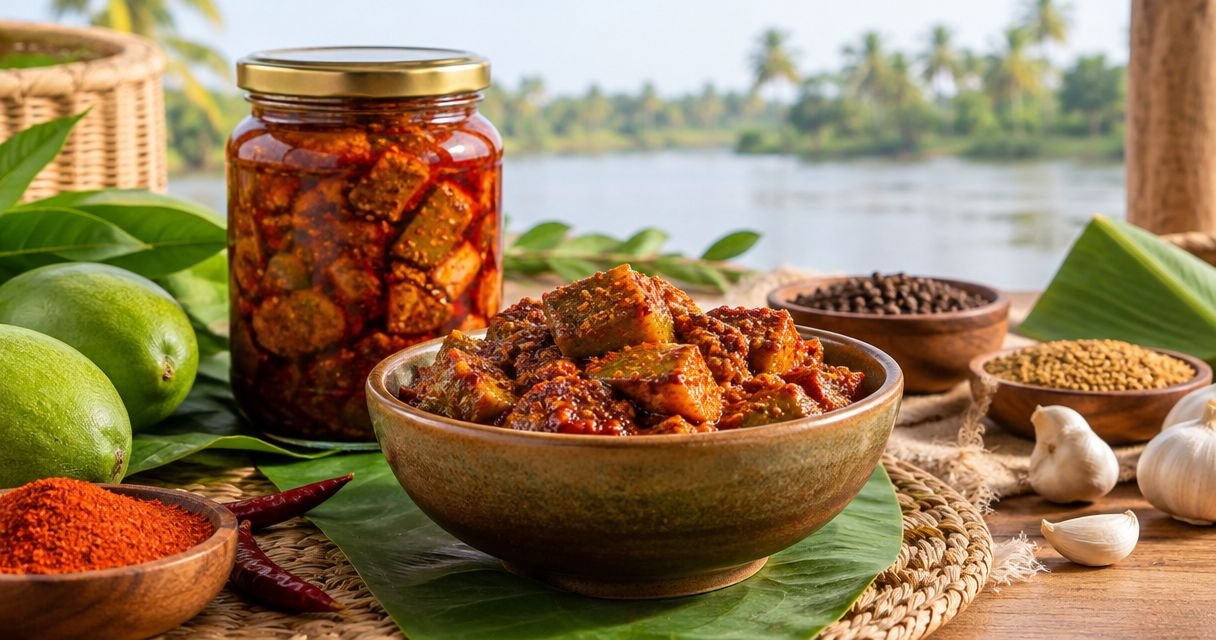
Best overall: Avakaya Pickle (Mango). Best for sliced mango: Magaya Pickle (Sliced Mango). Best for seafood meals: Prawns Pickle. This 2026 guide helps you choose konaseema style pickles by ingredient and texture, using Andhra-style options without treating a regional search term as proof of where a pickle was made.
- For konaseema style pickles, start with Avakaya Pickle (Mango) if you want diced raw mango and garlic.
- Choose Magaya Pickle (Sliced Mango) for dried mango slices, or Gongura Pickle for sorrel leaves.
- Tulasi Pickles suits shoppers comparing homemade Andhra pickles across vegetarian and seafood varieties.
- Regional style does not establish production origin; confirm provenance separately when it matters.
Why this matters
Searching for konaseema style pickles brings together two different needs: a familiar Andhra flavour and a product made in a particular place. Those are not interchangeable. Choose by the recipe first, and verify production origin separately.
Tulasi Pickles is a Hyderabad-based e-commerce brand selling homemade Andhra-style vegetarian and non-vegetarian pickles. The recommendations below compare varieties within its range, not competing manufacturers or independently verified Konaseema-made products.
For your 2026 order, the useful distinctions are concrete: diced versus sliced mango, garlic versus no garlic, leafy pickle versus seafood. Buying several jars with almost identical ingredients adds less variety than choosing different bases.
What makes the best konaseema style pickles?
Use these criteria before choosing a jar:
- Main ingredient: Decide whether you want raw mango, sorrel leaves, garlic or seafood. Start with what you actually enjoy eating.
- Cut and texture: Diced mango, dried mango slices, whole garlic cloves and prawns give you different eating experiences.
- Garlic preference: Choose an explicitly garlic-free option when avoiding garlic; do not infer its absence from a short product name.
- Meal fit: Match the pickle to plain rice, dal, curd rice or a seafood meal rather than choosing by regional wording alone.
- Ingredient disclosure: Check the full label for oil, allergens and ingredients that matter to your household.
- Origin evidence: A style description is not a production address. Ask for that distinction if Konaseema provenance is essential.
Best konaseema style pickles at a glance
The 2026 shortlist ranks each pickle for a different job. The first choice is the default for undecided mango-pickle buyers; the remaining choices address specific preferences.
| Rank | Pickle | Best for | Standout ingredient or format | Key limitation |
|---|---|---|---|---|
| 1 | Avakaya Pickle (Mango) | A classic mango-and-garlic starting point | Diced raw mango with garlic cloves | Not suitable when avoiding garlic |
| 2 | Magaya Pickle (Sliced Mango) | Dried mango-slice texture | Dried mango slices with cold-pressed groundnut oil | Not the same format as diced avakaya |
| 3 | Gongura Pickle | A leafy alternative to mango | Sorrel leaves | Does not provide mango pieces |
| 4 | Avakaya Pickle without Garlic (Mango) | Buyers avoiding garlic | Diced raw mango without garlic | Garlic-free does not establish other dietary suitability |
| 5 | Prawns Pickle | A prawn-based rice accompaniment | Freshwater prawns | Unsuitable for people with crustacean allergies |
| 6 | Fish Boneless Pickle (Korramenu) | Fish rather than prawns | Boneless Korramenu fish | Unsuitable for people with fish allergies |
| 7 | Garlic Pickle | Whole-clove garlic lovers | Whole garlic cloves | A poor match for anyone avoiding garlic |
1. Avakaya Pickle (Mango): best for a classic starting point
Avakaya Pickle (Mango) combines diced raw mango, garlic cloves, cold-pressed groundnut oil and chilli powder. Choose Avakaya Pickle (Mango) when you want mango pieces and garlic in the same pickle.
Its first-place position reflects ingredient fit, not a tasting score. The disclosed recipe makes it the clearest starting point for a buyer seeking a recognisable Andhra mango pickle without a more specific preference.
Avakaya Pickle (Mango) pros:
- Diced mango gives you a clearly defined fruit-piece format.
- Garlic is explicitly included rather than left ambiguous.
- The description identifies cold-pressed groundnut oil.
Avakaya Pickle (Mango) cons:
- Garlic rules it out for garlic-avoiding households.
- The ingredient description does not establish a measured heat level.
Best for: Your first mango-and-garlic jar in an Andhra pickle order.
Verdict: Buy for the classic ingredient combination; skip when garlic is unwanted.
2. Magaya Pickle (Sliced Mango): best for dried mango slices
Magaya Pickle (Sliced Mango) is prepared with dried mango slices and cold-pressed groundnut oil. The meaningful difference from avakaya is the mango preparation, not simply another name on the label.
Choose Magaya Pickle (Sliced Mango) when sliced mango is the texture you remember or prefer. Do not order it expecting the same diced raw-mango format as the first recommendation.
Magaya Pickle (Sliced Mango) pros:
- Dried mango slices distinguish it from diced avakaya.
- The description names the oil used.
- It gives mango enthusiasts a different format to compare.
Magaya Pickle (Sliced Mango) cons:
- It does not satisfy a specific preference for diced mango.
- Dried mango slices do not establish that the finished pickle is oil-free.
Best for: Buyers who choose mango pickle by cut and preparation.
Verdict: Buy for sliced mango; skip if diced avakaya is your non-negotiable preference.
3. Gongura Pickle: best for a leafy alternative
Gongura Pickle uses gongura, also called sorrel leaves. It is the strongest change of direction here for someone who already has a mango pickle and wants a different main ingredient.
Choose Gongura Pickle for leaf-based variety, not as a substitute for mango pieces. Pair it with a simple rice meal so you can judge whether the sorrel-leaf base suits your taste before adding other strongly flavoured accompaniments.
Gongura Pickle pros:
- Sorrel leaves provide a different base from mango.
- It adds ingredient variety to a vegetarian selection.
- The product description identifies the regional leaf name and its English equivalent.
Gongura Pickle cons:
- It offers no mango-piece texture.
- A leafy ingredient does not establish low sodium or low oil.
Best for: A second vegetarian variety alongside a mango pickle.
Verdict: Buy for a leafy contrast; skip when you specifically want fruit pieces.
Compare the texture before adding another jar
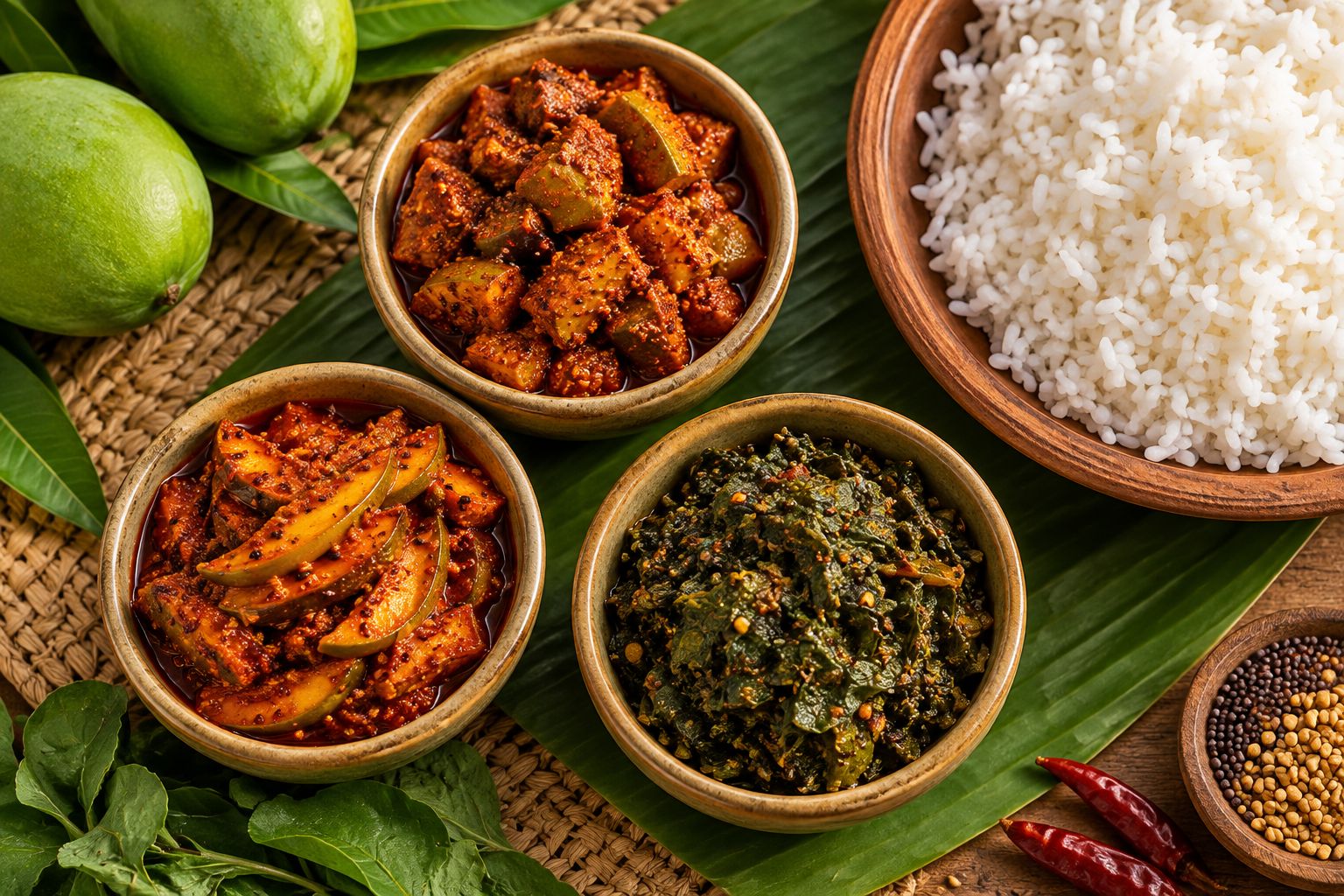
Diced mango, sliced mango and leafy pickle are useful distinctions when building your order. Choose the format you want to eat, rather than assuming every Andhra-style jar provides the same texture.
4. Avakaya Pickle without Garlic (Mango): best for avoiding garlic
Avakaya Pickle without Garlic (Mango) is explicitly described as garlic-free and prepared with diced raw mangoes. It addresses a precise preference without requiring you to abandon mango pickle altogether.
Keep the claim narrow. Garlic-free does not automatically mean onion-free, Jain-suitable or free from cross-contact. Confirm every additional restriction against the full ingredient information before ordering.
Avakaya Pickle without Garlic (Mango) pros:
- The garlic-free distinction is explicit.
- It retains the diced raw-mango format.
- It offers a direct alternative to the garlic-containing avakaya.
Avakaya Pickle without Garlic (Mango) cons:
- The name does not establish suitability for every restricted diet.
- It will not satisfy someone who wants garlic cloves in the pickle.
Best for: Mango-pickle buyers whose specific requirement is no garlic.
Verdict: Buy for that stated requirement; wait for ingredient confirmation if you have additional restrictions.
5. Prawns Pickle: best for a prawn-based accompaniment
Prawns Pickle is described as a homemade Andhra-style pickle made with freshwater prawns. The listed pack contains 500 g.
Choose Prawns Pickle because you want prawns, not because seafood establishes regional authenticity. It is a distinct non-vegetarian accompaniment and needs a separate serving spoon when you share a table with vegetarian diners.
Prawns Pickle pros:
- Freshwater prawns are the stated main ingredient.
- The description gives a clear pack weight.
- It adds a seafood option to a mango-heavy selection.
Prawns Pickle cons:
- It is unsuitable for people with crustacean allergies.
- It cannot serve as the shared pickle for vegetarian diners.
Best for: Prawn lovers adding a seafood side to rice meals.
Verdict: Buy for a deliberate seafood choice; skip for vegetarian meals or crustacean allergies.
6. Fish Boneless Pickle (Korramenu): best for fish lovers
Fish Boneless Pickle (Korramenu) uses boneless Korramenu fish and groundnut oil. Choose it when fish is your preferred seafood rather than treating fish and prawn pickles as interchangeable.
The boneless description identifies the product format. Serve fish carefully nonetheless, and keep fish allergy requirements separate from preferences about bones or texture.
Fish Boneless Pickle (Korramenu) pros:
- The description names Korramenu fish.
- Boneless fish is the stated format.
- It offers a fish-based alternative to Prawns Pickle.
Fish Boneless Pickle (Korramenu) cons:
- It is unsuitable for people with fish allergies.
- Groundnut oil matters when checking ingredient restrictions.
Best for: Buyers who prefer fish to prawns in a pickle accompaniment.
Verdict: Buy for the stated fish variety; skip if your household avoids fish.
7. Garlic Pickle: best for whole-clove garlic lovers
Garlic Pickle is an Andhra-style vellulli pachadi prepared with whole garlic cloves. The described pack contains 250 g.
This is the most focused recommendation for someone who wants garlic as the main ingredient. Avakaya containing garlic is still mango pickle; Garlic Pickle makes a different choice about the centre of the dish.
Garlic Pickle pros:
- Whole cloves define its ingredient format.
- Garlic takes the main role rather than supporting mango.
- The description identifies the pack weight.
Garlic Pickle cons:
- It is inappropriate for anyone avoiding garlic.
- It does not provide the mango or leafy base of other recommendations.
Best for: Diners who actively seek whole garlic cloves.
Verdict: Buy for garlic-first eating; skip if you only enjoy garlic as a background ingredient.
How the ranking works
This 2026 ranking uses disclosed ingredients, preparation format, dietary distinctions and meal fit. It is a selection guide within one brand's range, not an independently tested ranking of Konaseema producers.
Avakaya takes the default position because its description explicitly identifies mango, garlic, oil and chilli powder. The other entries earn separate recommendations by addressing different ingredients or restrictions. No spice scores, shelf-life estimates or delivery promises determine the order.
Which konaseema style pickles should you choose?
Tulasi Pickles is best for shoppers seeking homemade Andhra pickles across vegetarian and seafood varieties. For the undecided buyer, Avakaya Pickle (Mango) remains the default; replace it with the garlic-free version when that requirement comes first.
For a first order in 2026, consider 2 jars with different main ingredients rather than several mango variations. Avakaya plus Gongura Pickle gives you fruit and leaf formats; Avakaya plus Prawns Pickle adds seafood if everyone eating it is comfortable with the ingredients.
These product cards identify the default mango choice and two contrasting options.


FAQ
What’s the best starting point for konaseema style pickles?
Avakaya Pickle (Mango) is the default recommendation here for buyers wanting diced raw mango and garlic. Choose a different variety when your main requirement is sliced mango, no garlic or seafood.
Are these pickles confirmed to be made in Konaseema?
This guide does not establish Konaseema production origin. Tulasi Pickles is a Hyderabad-based brand offering homemade Andhra-style pickles; confirm the production location separately if origin is essential.
Is Magaya Pickle the same as Avakaya Pickle?
The compared products use different mango preparations. Magaya Pickle uses dried mango slices, while the classic Avakaya Pickle uses diced raw mango and includes garlic.
Which mango pickle should I choose without garlic?
Choose Avakaya Pickle without Garlic (Mango) for an explicitly garlic-free mango option. Confirm any additional ingredient or cross-contact requirements separately.
Which pickle is best when I don’t want mango?
Gongura Pickle is the vegetarian recommendation here when you want a sorrel-leaf base instead of mango. Garlic Pickle is the alternative for buyers specifically seeking whole garlic cloves.
Should I choose Prawns Pickle or Fish Boneless Pickle?
Choose Prawns Pickle for freshwater prawns and Fish Boneless Pickle (Korramenu) for fish. Check seafood allergies and the complete ingredients before deciding.
Can I order these Andhra pickles overseas?
Tulasi Pickles ships to customers in India and overseas. Confirm the destination’s import rules and the seller’s product-specific shipping arrangements before placing an overseas order.
One last thing
A different main ingredient often gives you a more useful comparison than another mango variation. Before completing your 2026 order, ask what each jar adds to your meals: mango pieces, sorrel leaves, whole garlic or seafood. Keep the varieties that answer different needs.
Related guides
- How to identify authentic Andhra avakaya pickle
- How to choose the right spice level in pickles
- How to store homemade pickles for long shelf life
- How to ship pickles overseas without spoilage