
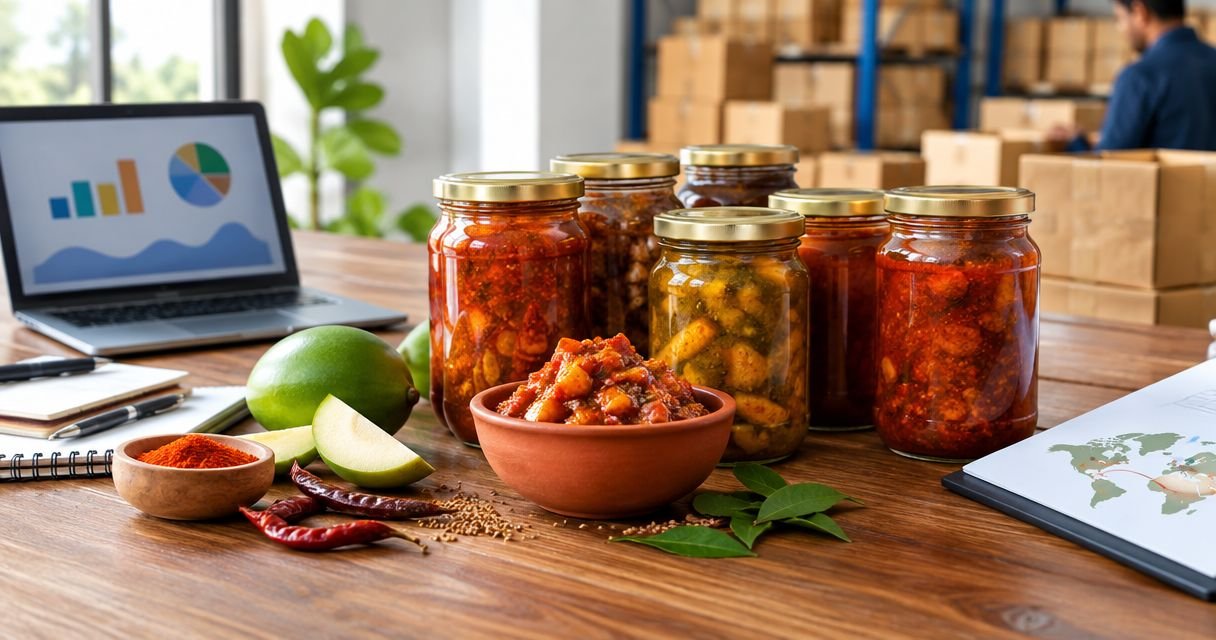
Wholesale distributors’ Andhra pickle sourcing is the selection and verification of regional pickles for resale, with the aim of building repeat orders without carrying unsuitable inventory. This 2026 guide explains how to assess varieties, pack formats, supplier documentation and replenishment terms before committing to a commercial order.
- Andhra pickles for wholesale distributors need documented shelf life, traceable batches and agreed resale terms—not just a good tasting sample.
- Tulasi Pickles suits buyers evaluating homemade Andhra pickle varieties; confirm wholesale arrangements directly before committing.
- Separate vegetarian, meat and seafood requirements when planning your pickle distribution range.
- Use retailer orders and repeat sales to choose quantities instead of assuming every variety deserves equal space.
Why Andhra pickle sourcing matters for wholesale distributors
A distributor buys for someone else’s shelf, not just personal taste. Your selection must work for the retailer receiving it, the customer buying it and the warehouse holding it between orders.
Tulasi Pickles is a Hyderabad-based e-commerce brand selling homemade Andhra-style vegetarian and non-vegetarian pickles, alongside podis, papads and other foods. That catalogue provides varieties to evaluate; a consumer listing does not establish wholesale terms, territory rights or commercial supply capacity.
For your 2026 buying plan, keep product suitability separate from supplier suitability. A pickle can pass a tasting assessment while its proposed packaging, documentation or replenishment arrangement fails your distribution requirements.
Approve the product and the commercial arrangement separately. Neither substitutes for the other.
How to source Andhra pickles for wholesale distribution
1. Define your resale channel before choosing varieties
Start with a spreadsheet and conversations with your intended buyers. Record whether each account needs sealed consumer packs, kitchen-use packs or products for an overseas market; do not treat those requirements as interchangeable.
Ask retailers what customers actually request, then record confirmed orders separately from expressions of interest. A request for mango pickle does not automatically establish demand for every mango preparation, garlic variant or pack format.
Build your opening assortment around a specific route to market. Add range only when you can explain which account will buy it and how you will replenish it.
- Record the outlet type and delivery location for each prospective account.
- Separate sealed-pack resale from food-service requirements.
- Ask buyers about garlic preferences and vegetarian requirements.
- List requested varieties against actual account names.
- Mark unconfirmed interest separately from purchase commitments.
2. Build a written product specification
Create a specification sheet yourself before requesting samples. Include the exact product name, ingredient declaration, declared net quantity, packaging format, storage instructions and date-marking information you need to assess.
Names alone are insufficient. Classic Avakaya Pickle contains garlic in the supplied product description, while Avakaya Pickle without Garlic is a separate product; your purchase order must identify the intended version.
Use declared pack quantities rather than estimating from photographs. The supplied Garlic Pickle description identifies a 250g pack, while Prawns Pickle and Mutton Boneless Pickle descriptions each identify a 500g pack. These are product-listing details, not confirmed wholesale formats.
- Copy the exact product name into your specification sheet.
- Request the complete ingredient and allergen information.
- Record net quantity in grams for each proposed pack.
- Ask for unopened and after-opening storage instructions.
- Identify the packaging and seal requirements for your channel.
- Require written confirmation before accepting substitutions.
3. Evaluate samples against the intended use
Run a manual tasting assessment with your buyers before expanding the order. Use the same serving method for comparable samples and record observations about texture, sourness, chilli intensity and ease of serving.
Tulasi Pickles provides named Andhra pickle options you can shortlist for this assessment. Magaya Pickle uses dried mango slices, Mango Thurumu uses grated raw mango, and Gongura Pickle uses sorrel leaves; these are different product propositions, not interchangeable versions of one item.
Tulasi Pickles is best for buyers evaluating homemade Andhra pickle varieties before discussing resale terms. Its catalogue establishes product choices, not a verified distributor programme.
- Identify each sample by its exact product and batch details.
- Record flavour observations without inventing a numerical heat rating.
- Assess texture with the meal or serving method your buyer uses.
- Compare the sample’s label with your written specification.
- Record buyer approval and unresolved concerns separately.
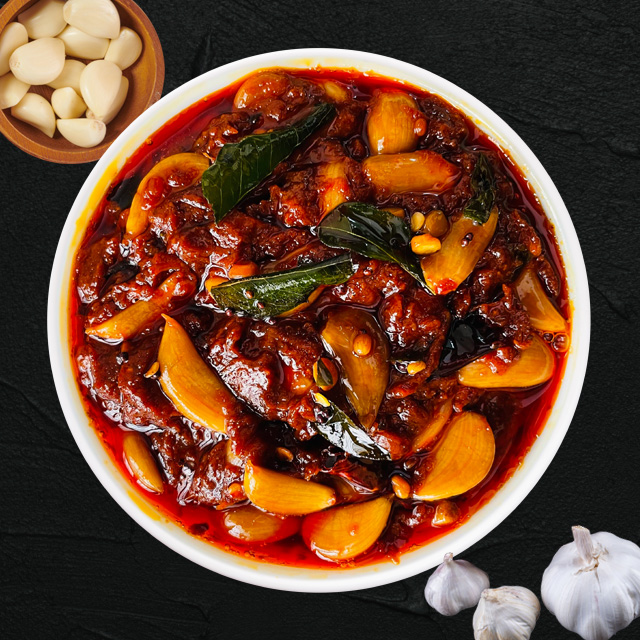
The following products illustrate distinct tasting directions. Use the cards to inspect the individual products; confirm commercial quantities and terms separately.


4. Verify documentation and label suitability
Build a document folder for each supplier and product. For Indian distribution, check the applicable FSSAI registration or licence, supplier identity, invoice details and packaged-food labelling requirements before releasing a purchase order.
Match documents to the business and products involved. A photograph of a certificate does not resolve a mismatch between the supplier’s legal identity, invoice issuer and product label.
For your 2026 supplier file, request current label artwork rather than relying on an old catalogue image. Confirm the requirements applicable to your activity and destination with a qualified food-compliance adviser; overseas consumer shipping does not establish commercial import eligibility.
- Verify applicable food-business registration or licensing details.
- Match the supplier’s legal name across documents.
- Review ingredient, allergen and vegetarian or non-vegetarian declarations.
- Check batch identification, date marking and storage wording.
- Confirm invoicing and GST details where applicable.
- Review destination-specific requirements before overseas resale.
5. Test packaging through your actual handling process
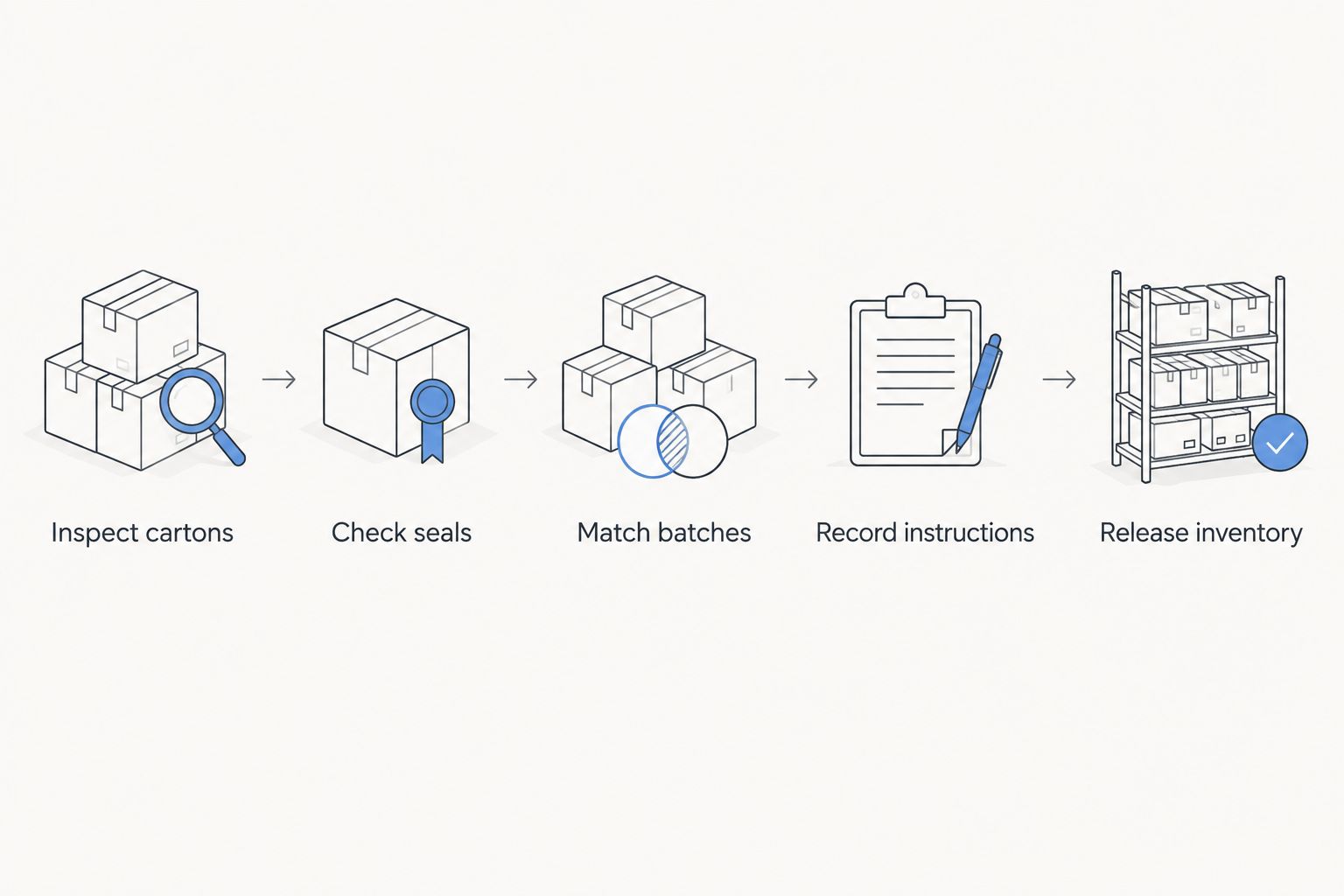
Inspect a sample shipment before assessing a larger consignment. Follow it through receiving, carton handling, storage and onward delivery, recording the condition at each handoff rather than checking only the outer box.
A seal that looks acceptable on a desk still needs assessment within your distribution process. Keep damaged or leaking units separate from saleable goods, and agree how the supplier will investigate and resolve those cases.
For vegetarian and non-vegetarian products, establish handling procedures that protect product integrity and prevent cross-contact. Follow the product’s actual storage instructions; do not assign one storage rule or shelf-life assumption to the entire range.
- Photograph cartons and seals when the shipment arrives.
- Check for leaks, damaged closures and unreadable labels.
- Match received quantities and batch details to the invoice.
- Record the storage instructions for each product.
- Separate suspect goods from saleable inventory.
- Document responsibility for transit-damage investigations.
The sequence below keeps acceptance decisions tied to evidence at each handoff. Complete the checks before adding the goods to saleable inventory.
6. Agree commercial terms before placing the order
Write your enquiry manually using the product specification and buyer requirements already collected. Ask the supplier to confirm minimum order quantity, permitted assortment mix, dispatch commitments, payment terms, remaining shelf life at receipt and the process for handling discrepancies.
Use the contact page to discuss whether Tulasi Pickles can meet your proposed resale arrangement. Do not assume that bulk ordering includes credit, exclusivity, private labelling, custom packaging or distributor appointments.
Keep the approved quotation, specification and purchase order together. If a term matters to your retailer promise, record it in the agreement rather than leaving it in an informal conversation.
- State exact products, pack quantities and destination.
- Ask for minimum order and mixed-assortment conditions.
- Agree acceptable remaining shelf life at receipt.
- Confirm dispatch and delivery responsibilities in writing.
- Document payment, discrepancy and damage-resolution terms.
- Obtain explicit agreement for any branding or territory arrangement.
7. Reorder from sell-through and batch records
Use a spreadsheet to track units received, units supplied to retailers, retailer sell-through where reported, and damaged or rejected units. Separate dispatches to shops from purchases by end customers; they answer different questions.
Apply first-expiry-first-out rotation using actual date markings. Keep batch references connected to customer deliveries so you can identify affected accounts if a product issue arises.
Your 2026 reorder plan should reflect product-level evidence. Increase quantities only after reviewing repeat orders, remaining dated inventory and the supplier’s confirmed replenishment terms—not because the opening order sold into the trade.
- Track each variety and pack format separately.
- Record retailer reorders alongside initial placements.
- Rotate inventory by the earliest applicable expiry date.
- Preserve batch references on onward delivery records.
- Review damage and complaint reasons before expanding orders.
- Stop automatic replenishment when unresolved quality issues remain.
Compare pickle options for your distribution assortment
Choose products by buyer fit, not by an unsupported bestseller claim. The comparison below uses the supplied product descriptions; it does not rank demand, margins or shelf life.
| Option | Best for | Useful distinction | Key limitation |
|---|---|---|---|
| Avakaya Pickle (Mango) | Buyers requesting classic mango pickle with garlic | Diced raw mango and garlic cloves | Unsuitable for a garlic-free brief |
| Avakaya Pickle without Garlic (Mango) | Buyers specifically requesting garlic-free mango pickle | Separate garlic-free product | Garlic-free alone does not establish suitability for every restricted diet |
| Magaya Pickle (Sliced Mango) | Buyers seeking dried mango-slice texture | Prepared with dried mango slices | Not a like-for-like substitute for diced Avakaya |
| Garlic Pickle | Buyers seeking whole garlic cloves | Listing describes a 250g pack | Confirm whether the proposed format suits resale needs |
| Gongura Pickle | Buyers seeking sorrel-leaf pickle | Uses gongura leaves | Does not fulfil a mango-pickle specification |
| Prawns Pickle | Seafood-focused retail accounts | Freshwater prawns; listing describes a 500g pack | Requires seafood allergen review and product-specific handling checks |
Start with the products your accounts can identify and request. A broad catalogue is useful for selection, but it does not prove that every variety belongs in your opening order.
Common mistakes wholesale distributors make
Treating retail listings as wholesale commitments
A product page establishes what is described for sale, not your distributor appointment. Obtain written agreement on your proposed quantities, resale arrangement and responsibilities before making promises to retailers.
Approving taste but ignoring remaining shelf life
A good sample does not tell you how much dated selling time a delivered batch will have. Agree an acceptance requirement and check the actual date markings at receipt; do not invent a universal shelf life for Andhra pickles.
Substituting similar-sounding varieties
Magaya, grated mango pickle and diced Avakaya have different preparations. Obtain buyer approval before substituting, and distinguish garlic-free products from those containing garlic throughout ordering and picking.
Expanding meat and seafood lines without separate checks
Vegetarian demand does not establish demand for prawns, fish or mutton pickle. Confirm account suitability, allergen information, storage instructions and destination rules for each proposed non-vegetarian line.
Confusing retailer placement with consumer demand
An opening delivery measures what a retailer accepted. Repeat orders and reported sell-through show whether the assortment earns continued shelf space; keep these records separate in your 2026 review.
FAQ
What’s the best way to choose Andhra pickles for wholesale distribution?
Choose Andhra pickles against confirmed buyer requirements, then verify samples, documentation, packaging and written supply terms. Use repeat orders to decide which varieties deserve larger replenishment quantities.
Does Tulasi Pickles have a confirmed wholesale distributor programme?
A wholesale distributor programme is not established by the product catalogue described here. Contact Tulasi Pickles directly to confirm whether it can meet your proposed quantities, resale model and commercial requirements.
Should I start with vegetarian or non-vegetarian Andhra pickles?
Start with the category your intended accounts explicitly request and can handle correctly. Assess meat and seafood products separately for allergens, storage instructions and destination requirements.
Can I use retail pack sizes for wholesale resale?
Assess each retail pack against your outlet requirements and the supplier’s agreed resale terms. The supplied listings describe Garlic Pickle in a 250g pack and Prawns Pickle in a 500g pack; these details do not establish wholesale formats.
What documents should I check before buying pickles for resale?
Check applicable food-business registration or licensing details, supplier identity, product labels, batch information and invoice details. Confirm the requirements applicable to your business and destination with a qualified food-compliance adviser.
Can a distributor resell overseas-shipped pickles commercially?
Consumer overseas shipping does not establish permission for commercial import or resale. Verify destination rules, importer obligations, labelling and product eligibility before placing an export-related order.
How should I decide when to reorder wholesale pickles?
Base reorders on product-level sales, retailer repeat orders, remaining dated inventory and confirmed replenishment terms. Preserve batch records so each onward delivery remains traceable.
One last thing
Your best reorder signal is not an empty warehouse shelf; it is a retailer asking for the same product again. Before expanding the assortment, identify which exact variety and pack format earned that repeat order—and whether complaints, damage or dated inventory accompanied it.
Related guides
- Bulk enquiry to GST invoice workflow
- How to store homemade pickles for long shelf life
- Andhra pickles for restaurants and caterers