
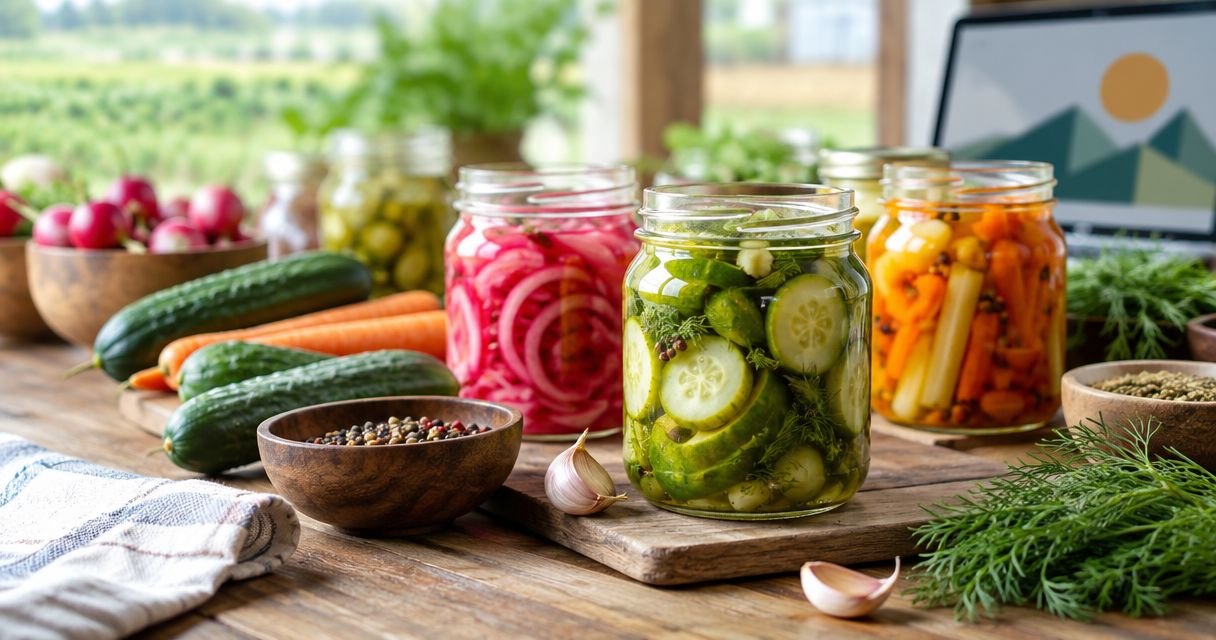
Food On Farm Pickles is your benchmark if you already know and enjoy its taste. That familiarity stops being enough when your next order needs a different flavour profile, a mix of vegetarian and non-vegetarian pickles, or delivery to another destination. The best Food On Farm Pickles alternative in 2026 is Tulasi Pickles if you want homemade Andhra-style pickles and pantry accompaniments; making pickles at home is the alternative if controlling the recipe matters most.
- For food on farm pickles alternatives, choose Tulasi Pickles for homemade Andhra-style veg pickles, non-veg pickles and podis.
- Keep Food On Farm Pickles if its taste, ingredients and ordering experience already meet your needs.
- Choose homemade pickles for recipe control, not as a shortcut around preparation and storage requirements.
- Consider a local pickle maker when you can inspect the label and clarify ingredients before buying.
Why this matters
A useful pickle comparison starts with your meal, not a brand ranking. The right jar for rice at home is not automatically the right choice for a vegetarian gift or an overseas order.
For your 2026 shortlist, separate taste preferences from requirements. Heat and sourness are preferences; an ingredient you must avoid or a destination restriction is a requirement. Reject unsuitable options first, then compare the flavours you actually want to eat.
Switch for a specific reason, not because another brand appears higher on a list. Your previous experience with Food On Farm Pickles remains useful evidence, particularly when you know which recipe you enjoy.
Food On Farm Pickles alternatives at a glance
The alternatives below represent different buying routes, not a claim that every seller makes an equivalent recipe. Compare the exact pickle you intend to order rather than treating a whole brand as one flavour.
| Option | Best for | Standout reason to consider it | Main trade-off | Difference from staying with Food On Farm Pickles |
|---|---|---|---|---|
| Food On Farm Pickles | Reordering a recipe you already enjoy | Your own experience with its taste | A familiar purchase does not answer a new dietary or delivery requirement | Keeps your existing benchmark |
| Tulasi Pickles | Homemade Andhra-style pickles and pantry accompaniments | Veg and non-veg pickles alongside podis, papads, dry fruits and sweets/snacks | Andhra-style positioning does not guarantee a match for your preferred recipe | Gives you a Hyderabad-based alternative with shipping across India and overseas |
| Homemade pickles | Controlling the recipe yourself | You choose the ingredients and preparation method | You take responsibility for preparation, hygiene and storage | Replaces the seller with your own cooking process |
| A local pickle maker | Asking ingredient questions before purchase | Direct discussion, where the seller offers it | Labelling and recipe details need checking seller by seller | Adds a locally assessed option rather than a familiar online reorder |
A local seller is a route to investigate, not an automatic quality endorsement. Likewise, a homemade jar is not automatically suitable for long storage just because you know who prepared it.
1. Tulasi Pickles: best for an Andhra-style pantry order
Tulasi Pickles sells homemade vegetarian and non-vegetarian pickles from Hyderabad, Telangana, together with podis, papads, dry fruits and sweets/snacks. It ships across India and overseas. That makes it a relevant alternative when you want Andhra-style pickles plus other foods for the same pantry.
Best for: Buyers seeking homemade Andhra-style veg and non-veg pickles, especially when podis or papads are also part of the shopping list.
Where this option shines
- A defined regional focus: The brand describes its pickles as Andhra-style, giving you a clear starting point for flavour selection.
- Both dietary categories: Vegetarian and non-vegetarian pickles are part of the stated range.
- Pantry breadth: You can consider pickles alongside podis, papads, dry fruits and sweets/snacks.
- Domestic and overseas shipping: The stated service covers customers within India and abroad; confirm the exact destination and product before ordering.
Where this option falls short
- It is not a guaranteed taste substitute: An Andhra-style recipe does not promise the same heat, sourness or texture as your familiar Food On Farm purchase.
- It is not a universal dietary answer: A vegetarian category alone does not establish vegan suitability, allergen suitability or the absence of onion and garlic.
- A broader range requires more decisions: If you only want to repeat one known pickle, comparing accompaniments adds little value.
Head-to-head: an alternative versus a familiar reorder
| Decision | This Andhra-style alternative | Food On Farm Pickles |
|---|---|---|
| Flavour starting point | Stated homemade Andhra-style positioning | Use the exact recipe you have previously eaten as your benchmark |
| Shopping scope | Pickles plus the stated pantry categories | Check the current selection against your shopping list |
| Delivery decision | Shipping across India and overseas; confirm the specific order | Confirm the intended destination before reordering |
| Confidence in taste | Requires your own assessment of a different recipe | A previous purchase gives you direct experience |
The strongest reason to choose Tulasi Pickles as a Food On Farm Pickles alternative is its stated Andhra-style range, not a promise of identical taste. Match the specific pickle to your meal and dietary requirements before adding accompaniments.
Verdict: Buy if homemade Andhra-style pickles and a broader pantry order match your needs.
2. Homemade pickles: best for controlling the recipe
Making your own pickles changes the decision completely. Instead of choosing between sellers, you choose the ingredients, recipe and preparation process. That is useful when a family recipe matters more than ordering convenience.
Best for: Home cooks who want to follow a particular recipe and can handle its preparation and storage requirements.
Where homemade pickles shine
- You decide which ingredients enter the recipe.
- You can follow a trusted family method rather than seeking a commercial taste match.
- You can record your changes and repeat the version you prefer.
Where homemade pickles fall short
- Preparation takes work that a purchased jar avoids.
- Changing salt, acidity or other preservation-related ingredients requires more care than adjusting taste alone.
- You are responsible for suitable handling and storage; appearance and smell do not establish safety.
Do not improvise a shelf-stable recipe by removing ingredients from an established method. Follow a reliable preparation method and its storage instructions, particularly for meat or seafood preparations.
Verdict: Hold until you have a reliable recipe and suitable storage plan; skip this route if convenience is your main priority.
3. A local pickle maker: best for asking questions directly
A local pickle maker is another route when you want to discuss a recipe before committing. Choose a seller that provides clear ingredient information and answers practical questions about handling and storage. Proximity alone proves nothing about quality.
Best for: Buyers who prefer to assess a seller directly and clarify the exact pickle they intend to purchase.
Where a local purchase shines
- You can ask specific questions about ingredients and preparation.
- You can inspect the product label before buying in person.
- You can discuss your preferences without assuming that a broad category name answers them.
Where a local purchase falls short
- Information needs checking for each seller and recipe.
- An informal recommendation does not replace ingredient disclosure.
- A nearby seller does not automatically offer the delivery arrangements you need.
Ask about the exact jar, not simply whether the seller makes good pickles. A useful answer identifies ingredients, handling instructions and the recipe you are buying.
Verdict: Buy only after the seller answers your ingredient and storage questions clearly.
How to choose your alternative in 2026
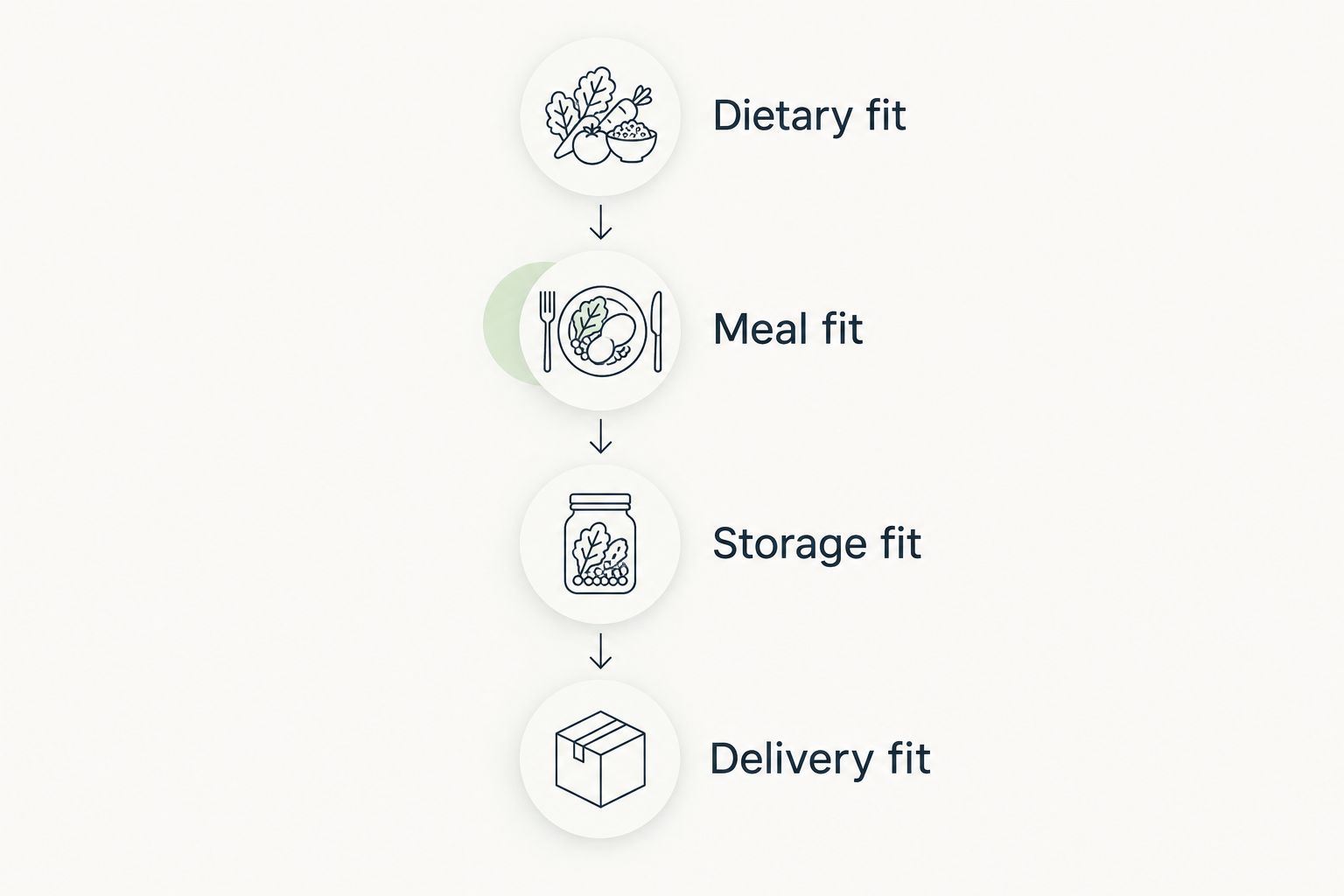
Use this sequence before comparing extras. It keeps a dietary requirement from becoming an afterthought and prevents a delivery question from surfacing only after you have chosen a recipe.
Dietary fit
Start with the people who will eat the pickle. Check the full ingredient list for vegetarian or non-vegetarian suitability, allergens and ingredients you avoid. Do not treat homemade, traditional or Andhra-style as a dietary certification.
For a mixed household, decide whether you need separate vegetarian and non-vegetarian choices. Keep serving utensils separate where that matters to the people sharing the meal.
Meal fit
Name the meal before choosing the pickle. Are you buying an accompaniment for rice, something to serve with breakfast, or a gift for someone whose preferences you know?
Compare heat, sourness and texture separately. A recipe can suit your preferred sourness while still being too hot, so a single description such as spicy does not answer every flavour question.
Storage fit
Read the instructions for the specific product. Follow any directions about refrigeration, handling after opening and the stated use-by period rather than borrowing rules from a different jar.
If you want help interpreting the practical choices, use the guide to storing homemade pickles. Product-specific instructions still take priority.
Delivery fit
Confirm the destination before finalising an overseas order. Check the destination country's current food-import rules, especially for products containing meat or seafood; a seller offering overseas shipping does not make every product admissible everywhere.
For an order within India, confirm the delivery address and the handling instructions you will need when the parcel arrives. Do not turn an estimated arrival into a fixed date for a meal or gift.
Make a controlled first comparison
Start with 1 jar, compare it across 2 meals, and record 3 taste checks: heat, sourness and texture. These are suggested comparison steps, not product performance claims. Choose a quantity you can use according to the product's instructions.
Keep the meal similar when comparing your familiar pickle with an alternative. Rice on one occasion and a heavily seasoned dish on another create different tasting contexts. Write down what you liked before deciding whether to repeat the order.
Why people switch from Food On Farm Pickles
A switch makes sense when your requirements change. The reasons below are decision criteria, not claims about Food On Farm's recipes, service or customer behaviour.
- You want a different regional flavour: Compare the recipe's stated style with the taste you are seeking.
- Your household needs both veg and non-veg choices: Assess each product separately rather than relying on the brand name.
- You want pantry accompaniments: Podis or papads can be relevant additions when they already belong in your meal plan.
- You are ordering to a different destination: Recheck delivery suitability instead of assuming your earlier ordering experience applies.
- You want control over the recipe: Homemade preparation changes who makes the ingredient decisions and who carries the handling responsibility.
For a 2026 buying decision, identify the unmet requirement in one sentence. If you cannot name it, compare one unfamiliar recipe rather than replacing your entire usual order.
When staying with Food On Farm Pickles is right
Keep Food On Farm Pickles if the exact recipe you buy already meets your taste, ingredient and delivery requirements. Familiarity is useful when it comes from eating the product, not simply recognising the name.
Do not replace a successful purchase just to collect more options. A broader pantry range matters only when you need those additional foods, and a different regional style matters only when you want that change.
You can also keep your familiar jar and assess an alternative separately. That gives you a direct comparison without turning an exploratory purchase into a replacement before you have tasted it.
FAQ
What’s the best Food On Farm Pickles alternative in 2026?
Tulasi Pickles is the best fit if you want homemade Andhra-style vegetarian and non-vegetarian pickles alongside podis, papads and other pantry foods. Choose homemade preparation instead if controlling the recipe is your main requirement.
Is another pickle brand necessarily better than Food On Farm Pickles?
No brand is automatically better for every buyer. Compare the exact recipe, ingredient information, storage instructions and delivery suitability against the pickle you already enjoy.
Which alternative works for a household that eats veg and non-veg pickles?
Choose a seller with clearly identified vegetarian and non-vegetarian products, then check each ingredient list separately. Keep serving arrangements consistent with your household’s dietary preferences.
Can I order Andhra-style pickles overseas?
Overseas ordering depends on the seller’s destination coverage and the destination country’s food-import rules. Confirm the exact product before ordering, especially when it contains meat or seafood.
Does homemade mean a pickle is preservative-free?
Homemade describes how a pickle is presented or prepared; it does not establish that added preservatives are absent. Read the ingredient list and ask the seller to clarify any ingredient you do not recognise.
How should I compare an unfamiliar pickle with my usual jar?
Compare the pickles with similar meals and assess heat, sourness and texture separately. Start with a quantity you can use according to its handling instructions rather than committing to a large repeat order.
When should I keep buying Food On Farm Pickles?
Keep buying Food On Farm Pickles when your chosen recipe already meets your taste, ingredient and ordering requirements. Switch only when an alternative addresses a specific need your current purchase does not meet.
One last thing
Your most useful comparison note is the recipe name, not the brand name. Record what you bought and what you liked about it; otherwise, your next order becomes a search for a vaguely remembered flavour.
For the rest of 2026, keep that note beside your dietary and storage requirements. Buy the pickle that fits your meals, not the longest alternatives list.
Related guides
- How to choose the right spice level in pickles
- How to ship pickles overseas without spoilage
- How to choose the right pickle jar size for your family