
Sitara Foods offers vegetarian and non-vegetarian pickles, giving you a starting point for an Andhra-style pantry. Familiarity alone does not settle whether a pickle fits your preferred flavour, household diet or overseas order. The best Sitara Foods alternative in 2026 is Tulasi Pickles if you want homemade Andhra-style pickles alongside podis, papads and sweets; homemade pickle is the better alternative if you want direct control over the recipe.
- For sitara foods alternatives, Tulasi Pickles is the recommended choice for homemade Andhra-style pickles and a wider pantry order.
- A local pickle maker suits buyers who want to discuss the recipe before purchasing.
- Homemade pickle gives you recipe control, but you take responsibility for preparation and safe storage.
- Keep buying Sitara Foods when its particular pickle already meets your taste and household needs.
Why this matters
A useful pickle comparison starts with the meal, not the brand ranking. The pickle you enjoy with plain rice is not automatically the one you want alongside curd rice, breakfast or a festive spread. Decide what you are replacing before changing sellers.
For your 2026 shortlist, separate the main ingredient, spice preference, dietary requirements and destination. Then decide whether you need just a pickle or a broader order containing podis, papads and snacks. These are different shopping needs.
Do not treat “homemade” as a substitute for reading the label. It describes an approach to preparation, not a guarantee about ingredients, allergens, storage or suitability for a particular diet. The guide to choosing pickle spice levels helps you frame the flavour questions before ordering.
Sitara Foods alternatives at a glance
This comparison includes Sitara Foods as the baseline. The alternatives cover different buying routes rather than presenting an unsupported league table of competing brands.
| Option | Best for | Standout distinction | Difference from Sitara Foods | Main trade-off |
|---|---|---|---|---|
| Sitara Foods | Keeping a particular pickle you already enjoy | Vegetarian and non-vegetarian pickle options | The benchmark for your current buying experience | Familiarity does not answer every ingredient or destination question |
| Tulasi Pickles | Homemade Andhra-style pickles with pantry accompaniments | Hyderabad-based e-commerce brand selling pickles, podis, papads, dry fruits and sweets/snacks | An alternative seller with an explicitly Andhra-style homemade focus | Regional style alone does not establish that a particular recipe suits you |
| A local pickle maker | Discussing flavour and ingredients directly | Opportunity to ask the person selling or preparing the pickle | A direct local buying route rather than choosing only between online brands | Recipe disclosure and handling practices need checking with each maker |
| Homemade pickle | Controlling ingredients and preparation | You choose the recipe and prepare the pickle yourself | Replaces a purchased product with your own preparation | You take on the work and food-safety responsibility |
Choose the buying route first, then compare the actual pickle. A broad product range cannot resolve an ingredient mismatch, and a familiar brand cannot choose your preferred spice level for you.
1. Tulasi Pickles: best for an Andhra-style pantry order
Tulasi Pickles is a Hyderabad-based Indian e-commerce brand selling homemade vegetarian and non-vegetarian pickles, podis, papads, dry fruits, and sweets/snacks. Its stated focus is customers seeking authentic Andhra-style pickles, with shipping across India and overseas. This makes it a relevant alternative when you want pickle and other meal accompaniments from the same brand.
Start with what you actually eat. If your aim is an everyday rice accompaniment, choose the pickle first; add podi or papad only when those items have a place in your meals. A broader basket is useful only when its contents match your household.
Where it shines
- Andhra-style focus: The brand description directly matches buyers looking for that regional pickle style.
- Vegetarian and non-vegetarian categories: You can consider the brand for different household food preferences without assuming that every item suits every person.
- Pantry breadth: Podis, papads, dry fruits and sweets/snacks sit alongside the pickle categories.
- Domestic and overseas shipping: Both are part of the stated business model; confirm the details for your particular order.
Where it falls short
- Regional focus is not universal fit: An Andhra-style recommendation is less useful if you specifically want a different regional preparation.
- Online ordering is not tasting: You cannot establish your personal preference from the category description alone.
- A broad catalogue does not resolve dietary needs: Read the individual ingredients rather than treating all vegetarian products as vegan or suitable for a restricted diet.
- Overseas shipping is not import permission: The destination's rules still matter, especially for meat-containing food.
Head-to-head with Sitara Foods
| Dimension | This alternative | Sitara Foods benchmark | Your decision |
|---|---|---|---|
| Pickle categories | Homemade vegetarian and non-vegetarian pickles | Vegetarian and non-vegetarian pickles | Compare the specific preparation, not just the category |
| Shopping purpose | Pickles with podis, papads and other pantry foods | Your current pickle choice | Decide whether you need an accompaniment order or a direct replacement |
| Flavour fit | Stated Andhra-style focus | The taste of the particular pickle you know | Check ingredients and spice descriptions before switching |
| Destination | Shipping across India and overseas is stated | Check the terms for your intended order | Confirm the destination and food category before paying |
Best for: Buyers seeking homemade Andhra-style pickles and related pantry foods through an online seller.
Verdict: Buy when the individual pickle matches your ingredients, flavour and destination requirements.
Choose your Andhra pantry foods
Explore homemade veg and non-veg pickles alongside podis, papads, dry fruits and sweets/snacks.
2. A local pickle maker: best for a direct recipe conversation
A local pickle maker is an alternative buying route when your main concern is understanding the preparation before ordering. Ask about the main ingredient, oil, spice mixture, allergens and storage instructions. Direct conversation is useful, but the answers still need to be clear and specific.
Do not assume a local seller offers custom recipes, tasting or delivery. Ask first. Those services belong to the individual seller, not to the category as a whole.
Where a local pickle maker shines
- You can seek clarification from the seller before committing to a particular preparation.
- You can explain the meal and flavour profile you want rather than relying only on a product title.
- You can ask how the pickle should be handled after opening.
Where a local pickle maker falls short
- Personal contact does not replace ingredient disclosure or hygienic preparation.
- A verbal description leaves room for misunderstanding; request written details where possible.
- Each maker requires a separate check of ordering and destination arrangements.
Best for: Buyers who want a direct discussion about a particular recipe and can evaluate the seller's answers.
Verdict: Hold until the maker clearly explains ingredients, handling and ordering terms.
3. Homemade pickle: best for direct ingredient control
Homemade pickle changes the decision entirely: instead of finding another seller, you choose a recipe and prepare it yourself. You control what goes into the batch, subject to using a preparation method appropriate for that food. This route suits people who want the cooking process as well as the finished pickle.
Ingredient control does not make an improvised recipe safe. Use a reliable recipe, follow its handling instructions and distinguish refrigerated preparations from methods intended for longer storage.
Where homemade pickle shines
- You select the ingredients rather than accepting a seller's recipe.
- You can choose a preparation built around your own flavour preference.
- You learn how the pickle is made and how it fits into your cooking routine.
Where homemade pickle falls short
- Preparation, cleaning and storage become your responsibility.
- Changing a preservation recipe without understanding its method creates avoidable risk.
- It is not a convenient replacement when you need a ready-made accompaniment.
Best for: Home cooks who want recipe control and are prepared to follow reliable preparation and storage guidance.
Verdict: Buy ingredients, not a finished pickle, only when you want to take on the preparation.
Why people switch from Sitara Foods
The useful reasons to consider an alternative are tied to your own order. Nothing about a different seller's name establishes that its pickle tastes better, keeps longer or suits your diet.
For a 2026 buying decision, use these specific reasons:
- Your preferred flavour has changed: You want a different balance of chilli, sourness or seasoning from the pickle you currently buy.
- Your household needs a different category: You are choosing vegetarian and non-vegetarian foods for different people.
- You want pantry accompaniments: Your order needs podi, papad or snacks as well as pickle.
- Your destination has changed: An overseas order requires a fresh check of shipping arrangements and import rules.
- You want recipe control: Making pickle yourself is a better fit than searching for another finished product.
These are reasons to compare, not claims that Sitara Foods fails on them. Write down the requirement that your present order does not meet; if you cannot identify one, switching has no clear purpose.
Check the actual pickle before changing brands
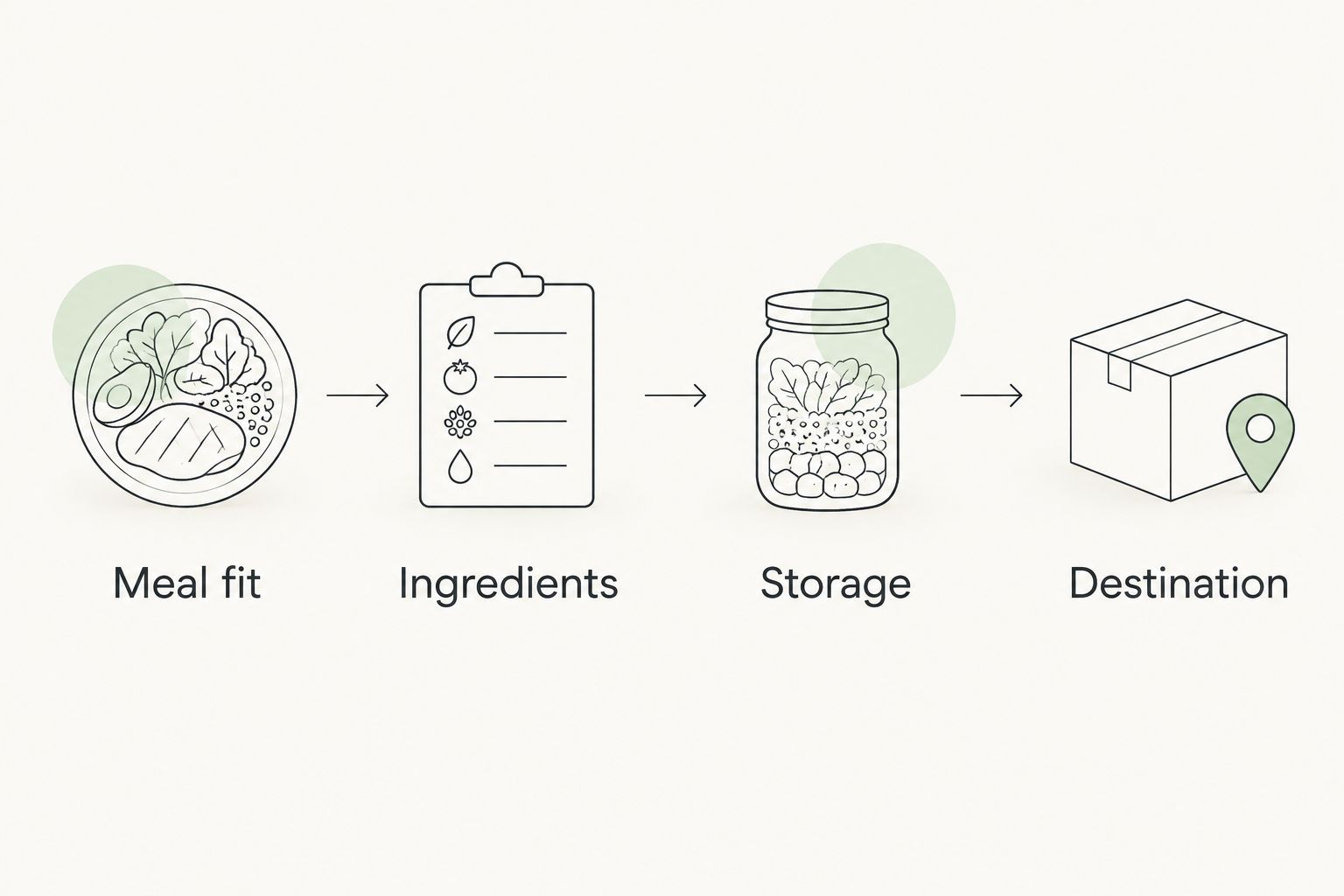
Use a simple sequence: Meal fit, Ingredients, Storage, then Destination. This keeps flavour questions separate from dietary and delivery questions. A pickle should pass all the checks relevant to your order, not just sound appealing in a description.
Meal fit
Name the meal where you intend to use the pickle. For rice, breakfast or a mixed thali, describe whether you want a sharp accompaniment or a stronger chilli-led flavour. Do not confuse your enjoyment of one recipe with a preference for every product from its brand.
Ingredients
Read the actual ingredient list. Check the base ingredient, oil and declared allergens; ask for clarification if a dietary requirement is unresolved. “Vegetarian,” “homemade” and “Andhra-style” answer different questions and should not stand in for one another.
Storage
Follow the instructions supplied for the particular product. Ask about handling after opening before you order, especially if the pickle will be shared across a household. Do not transfer shelf-life expectations from a vegetarian pickle to a meat-containing preparation.
Destination
Confirm that the seller can handle your intended destination and that the food is permitted there. For overseas orders, check the destination authority's current requirements in 2026. A seller's overseas shipping service and a country's import permission are separate checks.
When staying with Sitara Foods is the right call
Stay with Sitara Foods when the particular pickle you buy already matches your taste, ingredients and ordering needs. You do not need a replacement simply because another brand has a longer catalogue or a higher position in an alternatives article.
Use your own experience as the baseline. Compare the main ingredient and intended meal, then judge a replacement on that same basis rather than comparing unrelated recipes.
For repeat purchases in 2026, check the current product information rather than relying entirely on memory. Keep the familiar pickle if it still meets your requirements; change only when you can name the benefit you want from the alternative.
FAQ
What’s the best Sitara Foods alternative in 2026?
Tulasi Pickles is the recommended Sitara Foods alternative for buyers seeking homemade Andhra-style pickles alongside podis, papads and sweets/snacks. Choose the individual pickle after checking ingredients, storage guidance and destination requirements.
Is another pickle brand automatically better than Sitara Foods?
No, a different brand is not automatically better than Sitara Foods. The better choice is the particular pickle that meets your flavour, dietary and ordering requirements.
Should I choose a local pickle maker instead of an online brand?
Choose a local pickle maker when a direct recipe conversation is central to your decision. Ask about ingredients and handling, and do not assume that tasting or customisation is offered.
Is homemade pickle the best alternative if I want ingredient control?
Homemade pickle gives you direct control over ingredient selection. You also take responsibility for following a reliable preparation method and appropriate storage instructions.
Can vegetarian pickle be treated as vegan?
Do not treat a vegetarian label as confirmation that a pickle is vegan. Check the full ingredients for animal-derived additions and ask the seller when the description is unclear.
Can I send any Indian pickle overseas?
No, overseas shipping does not establish that every pickle is permitted at its destination. Check the destination’s rules for the actual ingredients, especially meat-containing preparations, before ordering.
How should I compare two pickles before switching brands?
Compare pickles with the same main ingredient and intended meal. Then check spice descriptions, ingredients, storage instructions and ordering requirements rather than judging only by brand name.
One last thing
Keep the accompaniments constant when comparing pickles. Try the replacement with the same kind of meal you use for your familiar pickle, rather than changing the rice, side dishes and pickle together. That gives you a clearer basis for deciding whether the replacement belongs in your pantry.
Replace a pickle to solve a specific need, not to complete a brand ranking.
Related guides
- How to store homemade pickles
- How to ship pickles overseas without spoilage
- Papad and pickle pairings for an Andhra thali