
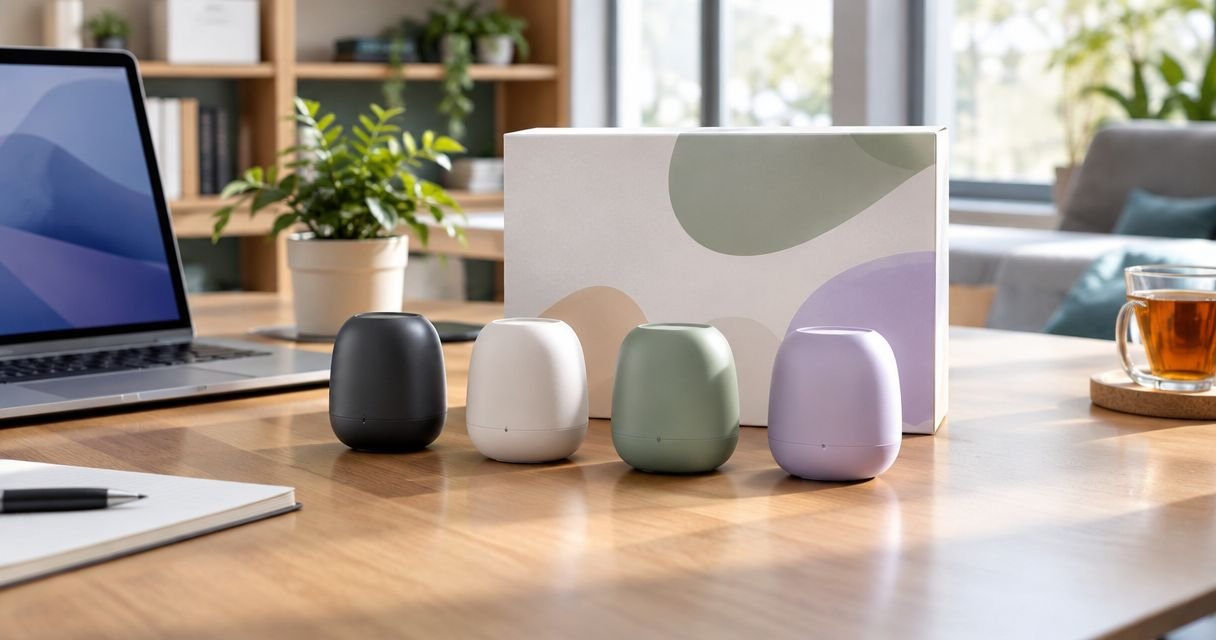
Best overall: a balanced rice-and-breakfast selection. Best for daily tiffin: a breakfast-focused selection. Best minimal first order: a two-variety selection. For your first podi sampler pack in 2026, choose contrasting flavours you will use with familiar meals, rather than several powders that serve the same purpose.
- Choose a podi sampler pack with distinct rice and breakfast uses, not several similar chilli-heavy powders.
- Tulasi Pickles suits buyers seeking homemade Andhra-style podis; check each listing’s ingredients before choosing.
- Start with a balanced selection unless you mainly eat idli, dosa or rice.
- The ranked selections are buying approaches, not named commercial bundles or confirmed pack contents.
Tulasi Pickles sells homemade podis alongside Andhra-style pickles and other foods. Start with Tulasi Pickles to check the current product descriptions, then use the criteria below to decide which varieties belong in your first order.
Why this matters
Podi is a dry powder used as a condiment or mixed into food. South Indian preparations include lentil, roasted-gram, seed, coconut and leaf-based varieties; their ingredients and intended uses differ.
A first purchase should answer a practical question: which powder improves meals you already eat? A breakfast-only selection is less useful if your usual meal is rice, while a coconut-focused selection makes little sense if you dislike coconut.
The best beginner sampler reveals your preferences without duplicating them. This 2026 guide ranks selection types by meal fit and flavour contrast, rather than claiming a particular seller’s bundle has been tested.
What makes the best podi sampler pack
Use these criteria before comparing pack names or photographs:
- Meal fit: Choose powders intended for the rice, idli or dosa you actually eat. A clear serving suggestion is more useful than a broad claim about versatility.
- Flavour contrast: Look for different ingredient bases. A lentil-led powder and a coconut-led powder teach you more about your preferences than closely related recipes.
- Ingredient clarity: Read the complete ingredient and allergen information. Names alone do not establish whether a recipe contains garlic, peanuts, sesame or other ingredients you avoid.
- Heat guidance: Look for an explicit description of chilli intensity. A red colour or an Andhra-style label does not establish how hot a particular recipe tastes.
- Grind suitability: Decide whether you want a powder to mix through rice or one to combine with oil beside breakfast. Texture changes the eating experience.
- Storage instructions: Follow the individual label’s storage directions and date information. Do not assume every variety in a selection needs identical handling.
For your 2026 first order, give meal fit and ingredient clarity priority over the number of varieties. More variety is useful only when each addition serves a different purpose.
Podi sampler selections at a glance
These are suggested ways to assemble or assess a sampler, not product names, promised bundle contents or verified formulations. Choose individual varieties or a listed pack whose description matches the approach.
| Rank and selection | Best for | Standout feature | Key limitation |
|---|---|---|---|
| Balanced rice-and-breakfast selection | Undecided first-time buyers | Covers different everyday meals | Requires checking each powder’s intended use |
| Breakfast-focused selection | Regular idli and dosa eaters | Easy comparison on familiar tiffin | Narrower fit for rice-first households |
| Rice-focused selection | Buyers who mainly eat rice | Compares powders on the same meal base | Does not prioritise breakfast dipping texture |
| Coconut-and-seed selection | Buyers who enjoy coconut and seed flavours | Contrasts ingredient-led flavours | Needs careful ingredient and allergen checks |
| Two-variety selection | Buyers who want a limited first trial | Keeps the tasting decision simple | Explores less of the category |
A listing that does not explain its contents cannot support a useful comparison. Read the individual descriptions rather than treating the word sampler as evidence of a balanced selection.
1. Balanced selection: best podi sampler for undecided buyers
A balanced selection combines a rice-oriented powder with a breakfast-oriented powder, then adds a distinctly different ingredient base if you want another comparison. Kandi podi is associated with lentil-based rice accompaniments, while idli karam is associated with breakfast use; individual recipes still need checking.
This is the default recommendation for 2026 because it starts with meals, not novelty. You get a reason to open each powder instead of trying several similar flavours on the same plate.
Balanced selection pros:
- Covers both rice meals and breakfast.
- Gives each variety an identifiable role.
- Helps separate meal preference from flavour preference.
- Supports a straightforward repeat order once you find a favourite.
Balanced selection cons:
- Adds an unnecessary category if you rarely eat either rice or tiffin.
- Depends on clear serving descriptions for each powder.
- Does not guarantee a mild selection; heat must be checked separately.
Choose the rice and breakfast components first. Add coconut, sesame or curry-leaf character only if the ingredient description gives you a meaningful contrast.
Best for: First-time buyers who eat both rice and South Indian breakfasts.
Verdict: Buy this selection approach if you are undecided; skip redundant flavours.
2. Breakfast-focused selection: best podi sampler for idli and dosa
A breakfast-focused selection centres on powders you can serve beside idli or dosa. Idli karam is a relevant starting point, with a different ingredient-led powder providing contrast when its serving instructions suit breakfast.
Compare the powders with the same breakfast before changing the accompaniment. If you add different chutneys, pickles and fats to every tasting, you are comparing whole plates rather than the podis.
Breakfast-focused selection pros:
- Fits an established idli or dosa routine.
- Makes side-by-side flavour comparison straightforward.
- Lets you judge texture in a familiar serving format.
- Avoids choosing rice powders solely because they appear in a large selection.
Breakfast-focused selection cons:
- Gives limited guidance on your preferred rice accompaniment.
- Similar breakfast recipes can duplicate chilli and lentil flavours.
- Oil or ghee can change the texture and impression of heat.
Do not assume breakfast podi means mild podi. Check the ingredient list and heat description, especially when you are choosing for several people with different preferences.
Best for: Buyers whose regular meals include idli and dosa.
Verdict: Buy for a tiffin-led routine; skip if breakfast is an occasional meal.
3. Rice-focused selection: best podi sampler for everyday rice meals
A rice-focused selection compares powders you intend to mix into cooked rice. Kandi podi, curry-leaf podi and sesame podi represent different ingredient directions, but a specific listing must establish its recipe and suggested use.
Keep the rice preparation consistent when tasting. A strongly seasoned rice dish obscures differences that are easier to notice against plain rice.
Rice-focused selection pros:
- Matches a rice-first eating routine.
- Highlights differences between ingredient bases.
- Lets you compare how each grind mixes through rice.
- Makes a favourite easy to incorporate into an ordinary meal.
Rice-focused selection cons:
- Does not prioritise the texture you want beside idli or dosa.
- A generous addition of ghee can obscure a subtle flavour difference.
- Different ingredients do not automatically mean different chilli levels.
For a 2026 first order, choose the powder whose intended rice use is clearest, then select a contrasting base. Avoid treating every powder with a similar colour as interchangeable.
Best for: Buyers who want a condiment for regular rice meals.
Verdict: Buy for rice-first households; hold breakfast-oriented additions until you need them.
4. Coconut-and-seed selection: best podi sampler for ingredient contrast
A coconut-and-seed selection compares kobbari podi with a seed-led option such as nuvvula podi. Kobbari refers to coconut and nuvvula to sesame; these names identify an ingredient direction, not a complete recipe.
This approach suits a buyer who already enjoys those ingredients and wants to compare their role in a savoury powder. It is not a substitute for checking chilli, salt, garlic or other additions.
Coconut-and-seed selection pros:
- Offers a clear coconut-versus-sesame comparison.
- Helps buyers choose by a familiar ingredient preference.
- Adds contrast to a lentil-led selection.
Coconut-and-seed selection cons:
- Sesame requires particular attention for buyers with sesame allergy.
- Ingredient-led names do not reveal every component.
- Neither coconut nor sesame establishes a mild heat level.
Use the individual storage instructions rather than borrowing directions from a different powder. A sampler can contain recipes that require different handling after opening.
Best for: Buyers who already like coconut and sesame flavours.
Verdict: Buy for ingredient exploration; skip if either base does not suit your diet.
5. Two-variety selection: best podi sampler for a limited first trial
A two-variety selection pairs a familiar meal use with a contrasting flavour. Choose one rice or breakfast powder, then one different ingredient base rather than another near-duplicate recipe.
This approach keeps the decision manageable. It is a recommendation about selection size, not a claim that any particular bundle costs less.
Two-variety selection pros:
- Makes it easy to remember what you liked.
- Gives each powder a clear comparison partner.
- Avoids a broad order before you understand your preferences.
Two-variety selection cons:
- Gives a narrower introduction to Andhra podis.
- A poorly matched pair can miss your preferred style entirely.
- Does not suit buyers who specifically want a wide tasting exercise.
Write down why you chose both powders before ordering. If the reasons are identical, change one selection so that the comparison answers a different question.
Best for: Buyers who want to start with a small, deliberate trial.
Verdict: Buy for a focused introduction; hold a broader selection until you identify a favourite.
How we ranked these selections
The ranking follows meal fit, flavour contrast, ingredient clarity, heat guidance, grind suitability and storage information. The balanced approach ranks first because it addresses both rice and breakfast use; specialist selections follow for buyers with a clearer routine.
This is a selection framework, not a taste-test leaderboard. No ranking here establishes a commercial pack’s ingredients, heat level or packaging without its own product description.
How to compare your first sampler at home
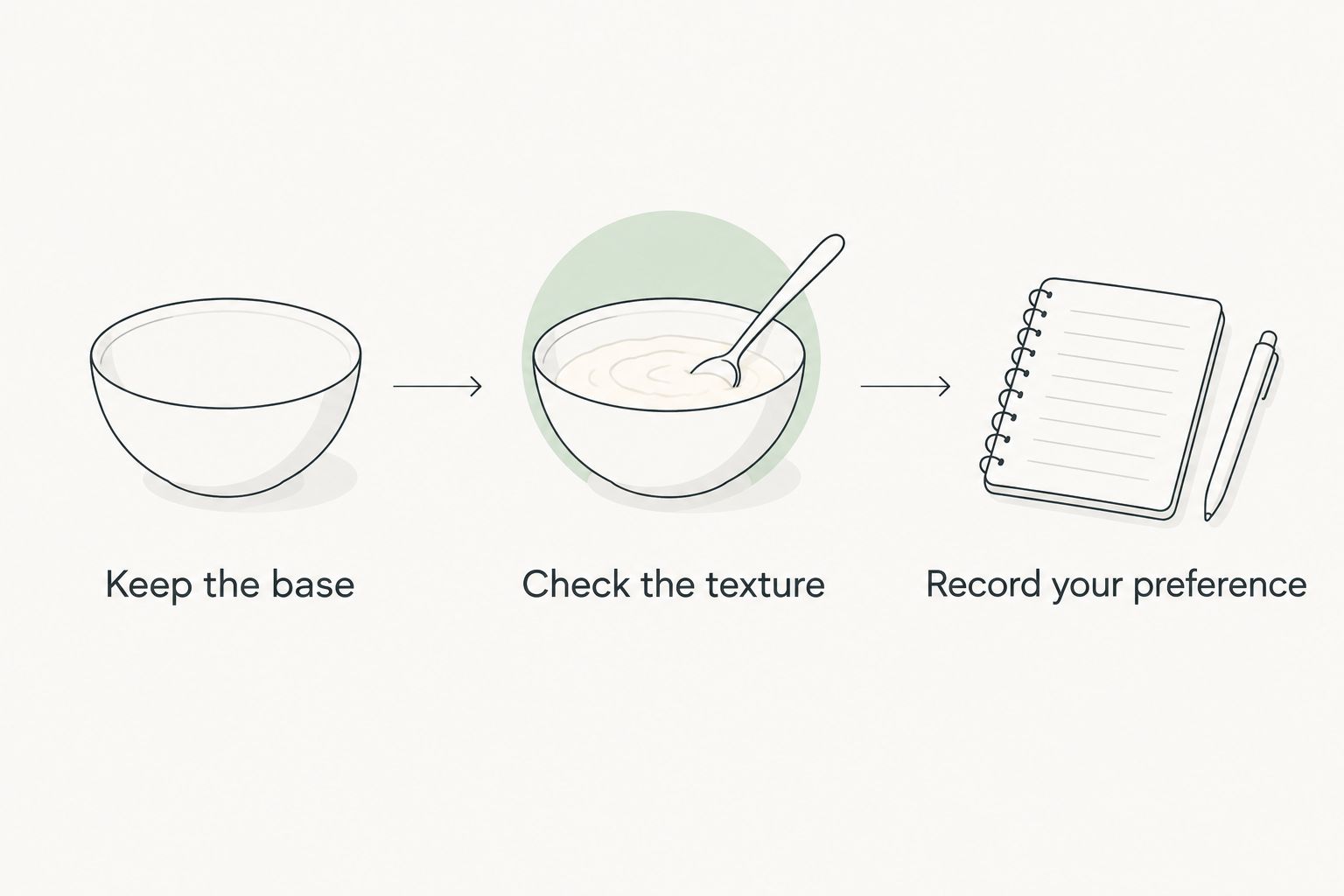
Use a controlled tasting rather than opening every powder onto a heavily seasoned meal. The purpose is to find something you want to eat again, not to finish a tasting in one sitting.
Keep the base
Use the same plain rice, idli or dosa for the powders you are comparing. Start with 1 teaspoon of each podi in separate tasting portions as a suggested tasting amount, not a required serving size; use less if the label directs it.
Check the texture
Try the intended serving method and keep additions consistent. If you use oil or ghee, avoid changing the amount between powders during the initial comparison.
Record your preference
Write 3 tasting notes: flavour, heat and texture. Then try your preferred powder across 2 separate meals before deciding what to reorder; these are suggested comparison steps, not product performance claims.
Keep a clean, dry utensil for each powder and follow its label after opening. Do not transfer a spoon from a moist serving portion back into the original container.
Which podi sampler pack should you choose?
Choose the balanced rice-and-breakfast approach unless your routine clearly favours one meal. Choose breakfast-focused or rice-focused selections when that is how you will use most of the order.
Tulasi Pickles is a fit for first-time buyers seeking homemade Andhra-style podis. Match the listed varieties to this guide, and verify ingredients, serving instructions and storage information before choosing your 2026 order.
Choose podis for your everyday meals
Check individual descriptions for ingredients and intended uses before selecting your first varieties.
FAQ
What’s the best podi sampler pack for a first-time buyer?
A balanced rice-and-breakfast selection is the best default for an undecided first-time buyer. Choose powders with different meal uses and ingredient bases, then check each listing’s heat and allergen information.
Should I choose a ready-made sampler or individual podis?
Choose whichever format clearly identifies every included powder and suits your meals. A sampler name alone does not establish useful variety; individual selections let you choose contrasting uses deliberately.
Is idli karam better than kandi podi for beginners?
Idli karam is the more relevant starting point for breakfast use, while kandi podi is a relevant starting point for rice meals. Neither is universally better, and individual recipes determine flavour and heat.
Is coconut podi always mild?
Coconut podi is not automatically mild. Kobbari identifies the coconut ingredient direction, while the recipe’s chilli content determines its heat.
Can I use the same podi with rice, idli and dosa?
Use a podi across those meals when its ingredients and serving guidance suit them. Your preferred texture for mixing into rice can differ from the texture you enjoy beside idli or dosa.
How do I choose podi when I have a food allergy?
Choose only after checking the complete ingredient list and relevant allergen information. Do not infer safety from a variety name, and seek clarification from the seller when the information is insufficient.
How should I store an opened podi sampler?
Follow the storage instructions on each individual powder. Keep utensils clean and dry, and do not assume all recipes in a sampler have the same storage requirements.
Is Tulasi Pickles relevant for a first Andhra podi order?
Tulasi Pickles sells homemade podis and serves buyers seeking Andhra-style foods. Use the current descriptions to choose varieties suited to your meals rather than assuming a specific sampler configuration.
One last thing
Do not change the meal and the powder at the same time. A podi that seems ordinary with a busy plate can be easier to judge against plain rice or a simple breakfast.
For your 2026 repeat order, choose the powder you wanted at another meal, not the one that made the strongest first impression. Repeat use is a better buying criterion than novelty.
Related guides
- How to use podi with idli, dosa and rice
- Kobbari podi for coconut chutney powder lovers
- How to choose the right podi grind for mixing with rice