
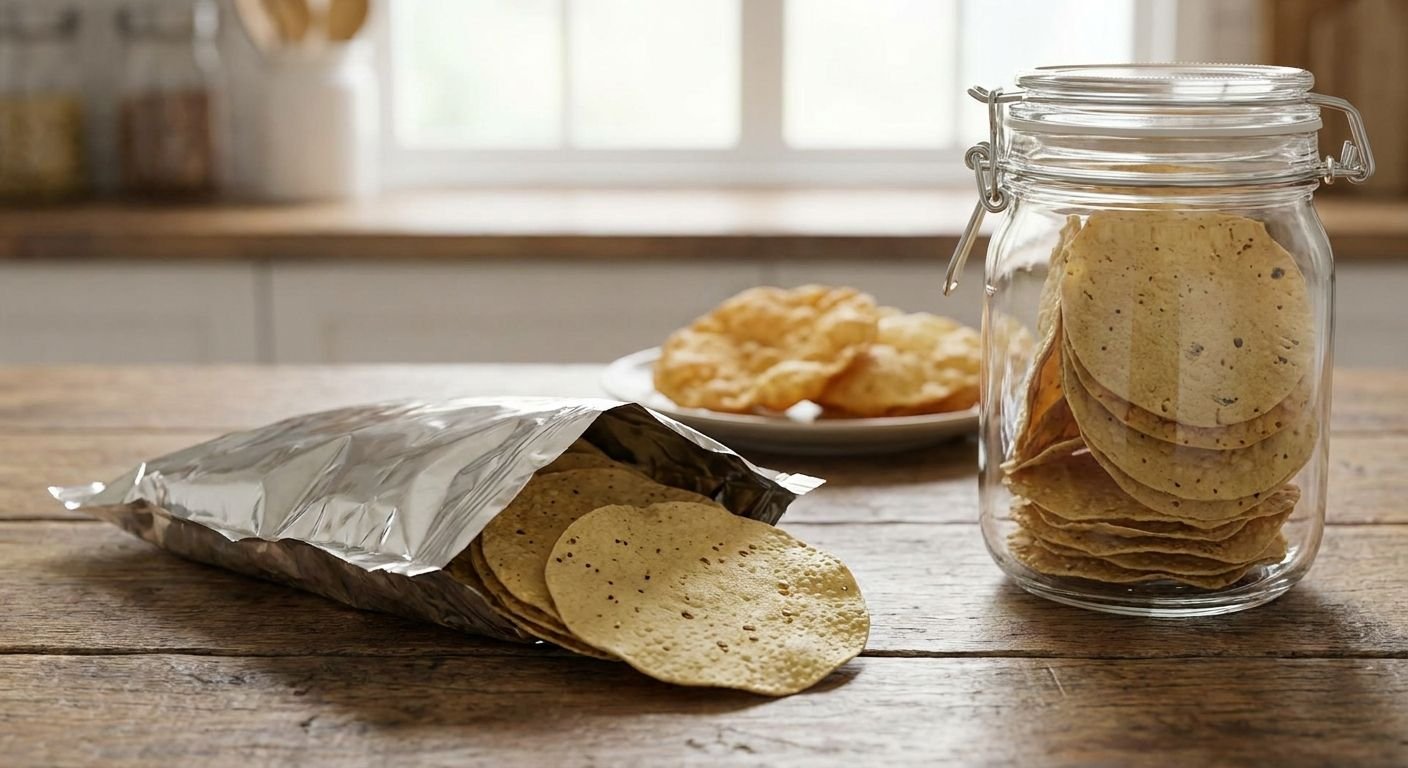
Papads stay crisp for 2 to 3 weeks after opening when you reseal the pack tight, add a moisture absorber, and store it away from heat and sunlight — the fastest way to lose crunch is leaving the pack open on the kitchen counter overnight. The hidden cost most people miss: Hyderabad and coastal Andhra humidity during monsoon (June to September) softens papads in as little as 24 hours even in a closed pantry, so the storage method matters more than the brand.
- Reseal papad packs with a clip and silica gel or raw rice to keep crispness for 2-3 weeks after opening in 2026.
- Airtight steel or glass containers beat the original plastic pack for anything left open more than a day.
- Monsoon humidity (June-September) softens papads fastest — store them in the highest, driest shelf, not near the stove.
- A 5-10 second flash on a dry tawa or 2-3 minutes of direct sun revives softened vadiyalu without frying.
- Sun-dried Andhra papads like Minapa Vadiyalu and Gummadikaya Vadiyalu hold crunch longer than machine-dried packet papads.
Why this matters
Papads and vadiyalu are sun-dried, which means they start absorbing ambient moisture the second the factory-sealed pack is cut open. Once papad picks up even 2-3% extra moisture, it stops snapping and starts bending — that's the visual test most Andhra households already use.
At Tulasi Pickles, papads and vadiyalu ship in the same style of thick sun-dried batches home cooks in Hyderabad have used for generations, so the storage rules below apply whether you bought a pack this week or you're finishing one from last month.
How do you keep papads crispy after opening the pack?
Follow these steps in order every time you open a fresh pack:
- Reseal the original pack tight with a binder clip or fold-and-tape immediately after removing what you need — don't leave it open "for later today."
- Transfer to an airtight steel or glass container if you'll be using the pack over more than 3-4 days. Plastic pouches lose their seal fast once cut.
- Drop in a moisture absorber — a small silica gel sachet (often included in the original packaging) or a spoon of raw rice tied in muslin cloth.
- Store on a high, dry shelf away from the stove, sink, and any window that gets direct sun heat during the day.
- Check every 3-4 days during monsoon months; humidity swings faster than in winter or summer.
- Use within 2-3 weeks of opening for the best crunch — beyond that, even well-stored papads lose some snap.
| Storage method | Crispness window after opening | Best for |
|---|---|---|
| Left open in original pack | 1-2 days | Not recommended |
| Resealed original pack, clipped shut | 5-7 days | Short-term use, small households |
| Airtight steel/glass container + silica gel | 2-3 weeks | Regular papad users, bulk packs |
| Airtight container in fridge (dry climates only) | 3-4 weeks | Coastal or high-humidity cities |
Verdict: an airtight container with a moisture absorber is the only method that reliably holds papad crunch past the first week — clipped plastic packs alone are a stopgap, not a fix.
Why papad crispness varies
- Humidity level in your kitchen — coastal cities and monsoon months (June-September) soften papads faster than dry winter storage.
- Type of papad or vadiyalu — sun-dried varieties like Minapa Vadiyalu (black gram) and Gummadikaya Vadiyalu (ash gourd) are denser and hold crunch longer than thin rice papads.
- Container material — plastic pouches let air back in around the fold; steel or glass with a tight lid doesn't.
- Distance from heat sources — stovetop steam and sunlight through a window both add moisture over time, even indirectly.
- How the pack was opened — tearing the pouch instead of cutting it clean leaves a ragged edge that won't reseal properly.
- Age of the batch before opening — a pack that's already 2-3 months old from manufacture softens faster once opened than a fresher one.
“If a papad bends instead of snapping in half, it’s already absorbed enough moisture to need a re-dry, not just a tighter lid.”
Can you make soft papads crispy again?
Yes — a soft papad can be revived by flash-drying it on a dry tawa on low heat for 5-10 seconds per side, or leaving it in direct sun for 2-3 minutes on a plate. This works for uncooked, uncooked-dry vadiyalu; it does not undo softening in papads that have already picked up mold or an off smell, which should be discarded instead.
How long do papads stay fresh after opening?
Papads stay fresh for 2-3 weeks after opening when resealed in an airtight container with a moisture absorber, versus just 1-2 days if left in a loosely closed pouch. Sun-dried vadiyalu varieties tend to hold a few extra days over thinner rice papads because they start out denser and lose moisture-resistance more slowly.
Should papads be stored in the fridge?
Storing papads in the fridge helps only in high-humidity coastal cities, and even then they need to be in an airtight container first — an open shelf in the fridge exposes them to condensation every time the door opens. In drier inland cities, a cool cupboard shelf works just as well without the condensation risk.
Do papads need to be fried immediately to stay crisp?
No — uncooked papads and vadiyalu are meant to be stored dry and fried or roasted only right before eating; frying a batch in advance and storing it defeats the point, since cooked papad softens within hours regardless of container.
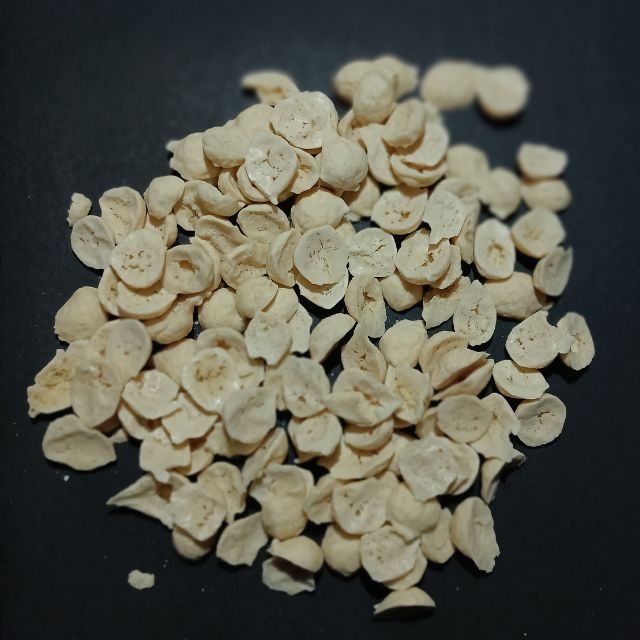
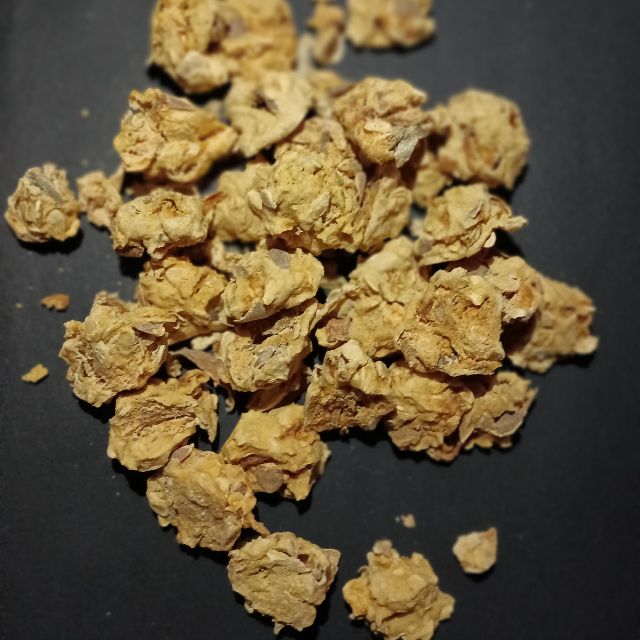
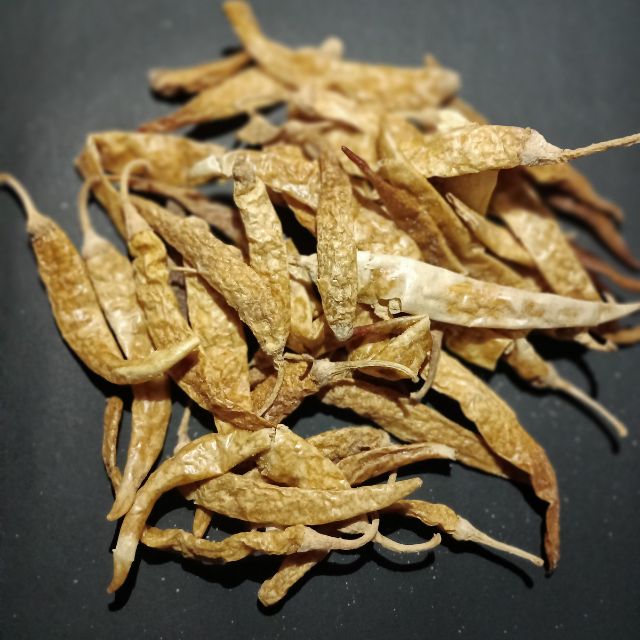
If you're stocking up on sun-dried vadiyalu for regular snacking, look at options like Minapa Vadiyalu or Gummadikaya Vadiyalu below — both are dense, sun-dried varieties that hold their crunch through the storage steps above better than thin packet papads.
FAQ
What’s the best way to store papad crispy after opening?
The best way is an airtight steel or glass container with a silica gel sachet or a spoon of raw rice, kept on a high dry shelf away from the stove. This holds crunch for 2-3 weeks in 2026, versus 1-2 days for a loosely resealed pouch.
How do you keep papads from getting soggy in monsoon?
During monsoon months (June-September), check the container every 3-4 days and add an extra moisture absorber, since humidity swings faster than in dry seasons. Storing on the topmost shelf away from any window helps too.
Is it better to store papads in the fridge or a cupboard?
A cool, dry cupboard works better than the fridge in most cities, because fridge condensation adds moisture every time the door opens. Only in consistently high-humidity coastal areas does an airtight container in the fridge outperform a cupboard shelf.
Why do my papads go soft even in a sealed pack?
A sealed original pouch loses its seal integrity once cut open, letting humid air back in with every use. Transferring to a hard airtight container after the first opening fixes this.
Can you refry soggy papads to make them crispy again?
Yes, a soft papad can be revived with 5-10 seconds per side on a dry tawa on low heat or 2-3 minutes in direct sun. This only works if the papad hasn’t developed mold or an off smell.
Do sun-dried vadiyalu stay crispy longer than packet papads?
Yes, dense sun-dried varieties like Minapa Vadiyalu and Gummadikaya Vadiyalu hold crunch a few extra days longer than thin rice papads because they start out less porous. The storage method still matters more than the variety.
How long can you keep an opened papad pack before it goes bad?
An opened papad pack stays good to eat for weeks, but it stops being crisp after 2-3 weeks even with proper airtight storage. Beyond that, the papad is usually still edible after frying but noticeably less crunchy raw.
One last thing
The single biggest mistake isn't the container — it's cutting the pack open with scissors instead of along a fold, which leaves a ragged edge that never seals flat again no matter how tight the clip. Cut a small corner instead, and that same pack reseals almost as well as the day it arrived, right through 2026's monsoon season.
Related guides
- Best papads to pair with Andhra meals
- Papads for quick Andhra-style snacking
- How to store homemade pickles for long shelf life
- How to ship pickles overseas without spoilage