
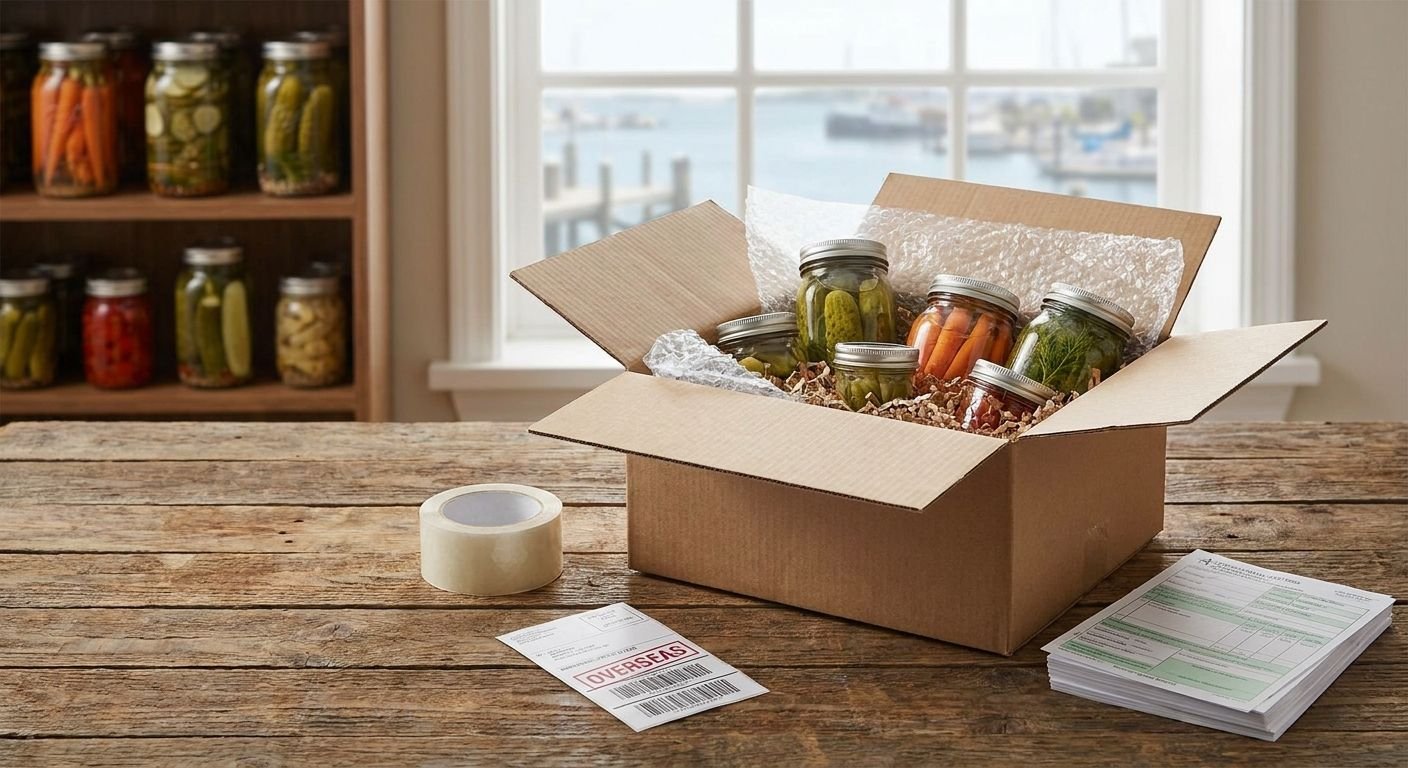
Oil-based Andhra pickles like avakaya and garlic pickle survive international transit when they're vacuum-sealed with a full oil layer on top; watery, low-oil pickles don't hold up the same way, and shipping them overseas in 2026 without that extra layer of sealing is asking for a leaking box and a spoiled batch. The hidden cost most people miss: it's not the pickle that spoils first, it's the packaging — a cracked jar seal or a punctured pouch lets air in days before the pickle itself turns.
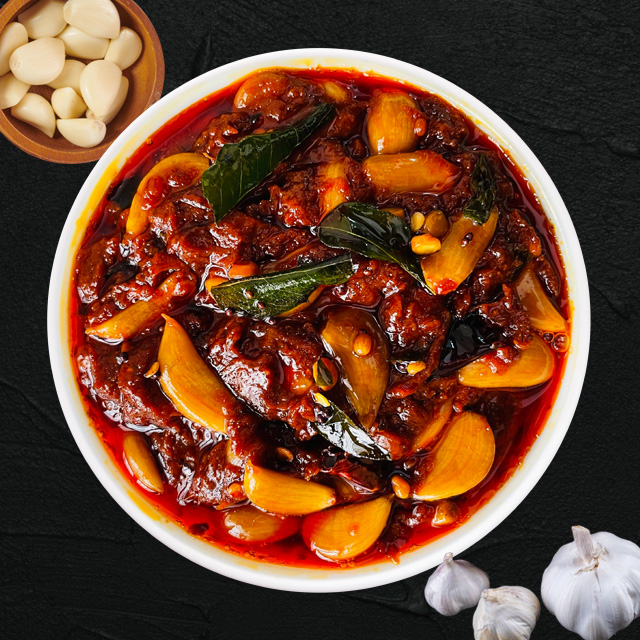
- Oil-based pickles like Avakaya and Garlic Pickle ship overseas safely; watery, low-oil pickles spoil fast — skip them.
- Vacuum-sealed pouches plus a full oil layer on top block air and moisture during transit in 2026.
- Non-veg pickles need extra oil coverage and should move by air cargo, not sea freight.
- Customs rules vary by country — declare pickle contents accurately to avoid seizure at entry.
Why this matters
Most spoilage complaints from overseas orders trace back to two things: a pickle that was never oil-heavy enough to survive transit, or packaging that let air reach the pickle mid-shipment. Get the pickle type and the packaging right, and shipping pickles overseas in 2026 is routine — Andhra pickles shipped overseas to the USA and UK travel this route regularly. Get either wrong, and no amount of bubble wrap saves the box.
How to ship pickles overseas without spoilage
Follow this order and you cut spoilage risk to almost nothing:
- Pick oil-based pickles, not watery ones. Avakaya, garlic pickle, and grated mango pickles carry enough cold-pressed oil to act as a natural seal. Lemon-juice-based or low-oil pickles don't have that buffer.
- Vacuum-seal in food-grade pouches. Removing air is the single biggest spoilage blocker for anything traveling more than a few days.
- Top up the oil layer before sealing. A visible film of oil sitting above the pickle mixture keeps air off the surface even if the pouch shifts in transit.
- Double-pack: pouch inside an airtight tin, tin inside a padded box. This stops leaks from becoming a customs problem and a spoiled shipment at the same time.
- Ship by air, not sea, for anything oil-based but not oil-heavy — non-veg pickles and grated/thurumu-style pickles fall into this bracket.
- Declare the contents accurately. Pickled vegetable products clear customs in most countries; undeclared meat-based pickles get flagged and delayed, which is its own spoilage risk.
Oil-based pickles vs watery pickles for overseas shipping
| Pickle type | Oil content | Overseas shipping verdict |
|---|---|---|
| Avakaya / Garlic Pickle (oil-based veg) | High | Ships well — Buy |
| Mango Thurumu / grated mango pickle | Medium-high | Ships well if oil is topped up — Buy |
| Lemon or low-oil brine pickles | Low | Spoils fast without refrigeration — Skip |
| Non-veg pickles (chicken, mutton, prawns, fish) | High (oil + meat) | Ships via air cargo with care — Hold, ship fastest route |
If the oil layer breaks, the clock starts — ship pickles in a sealed oil layer or don't ship them overseas at all.
Veg pickles vs non-veg pickles: what ships safer overseas
Veg pickles built on oil, salt, and chili — avakaya, garlic pickle, mixed vegetable pickle — are the safest category for pickles ordered from Hyderabad by NRIs because the preservation load sits entirely in the oil and spice mix, not in refrigeration.
Non-veg pickles carry the same oil-based logic but add meat, which means less margin for error:
- Chicken, mutton, prawns, and fish pickles need a thicker oil layer than veg pickles of the same jar size.
- They should travel by the fastest air route available, never surface mail or slow international post.
- Customs in several destination countries restrict meat-based imports more tightly than vegetable pickles, so check the rules for the receiving country before shipping.
Verdict: oil-based veg pickles are the safe default for overseas gifting and orders; non-veg pickles work overseas too, but only with tighter packaging and faster shipping — Buy veg for reliability, buy non-veg only when air shipping is confirmed.
Why spoilage happens during overseas shipping
- Air exposure once the oil layer breaks — a cracked seal is the number one cause of spoiled pickles arriving overseas.
- Temperature swings in cargo holds and customs storage — pickles sitting in an unclimate-controlled warehouse for days lose their preservation edge faster than pickles in transit.
- Moisture from condensation in non-vacuum packaging, especially when a shipment crosses climate zones.
- Customs delays that add unplanned days to the shipping window, which matters more for non-veg pickles than for high-oil veg pickles.
- Low-oil recipes — pickles made for quick home consumption, not shipping, often skip the oil margin that makes long transit safe. Check how to store homemade pickles for long shelf life before you decide what to ship.
- Improper sealing at the jar or pouch level — a loose lid does more damage over a 10-day international shipment than it would over a 2-day domestic one.


Do pickles need refrigeration during international shipping?
No — oil-based Andhra pickles rely on oil and salt as natural preservatives, so they don't need refrigeration during transit as long as the oil seal holds. Non-veg pickles benefit from the fastest available route even though they don't strictly require cold storage either.
Can I carry homemade pickles in checked luggage on international flights?
Yes, vacuum-sealed jars packed inside a leak-proof container travel fine in checked luggage. Liquids over 100ml, including pickle oil, aren't allowed in carry-on bags, so checked luggage is the only option for jars.
How long do vacuum-sealed pickles last after overseas shipping?
Vacuum-sealed, oil-topped pickles hold up for several months at room temperature once they arrive, as long as the seal wasn't broken in transit and the jar is kept in a cool, dry spot after opening. Once opened, use a dry spoon every time to keep the oil layer intact.
FAQ
What’s the best way to ship pickles overseas without spoilage in 2026?
The best way to ship pickles overseas in 2026 is choosing oil-based pickles like Avakaya or Garlic Pickle, vacuum-sealing them with a full oil layer on top, and double-packing in an airtight tin inside a padded box. Watery, low-oil pickles should not be shipped overseas without refrigeration.
Is Avakaya Mango Pickle safe for international shipping?
Yes, Avakaya Mango Pickle is one of the safest pickles for international shipping because its high oil content and salt-chili masala act as natural preservatives. It ships well as long as the jar or pouch stays vacuum-sealed with the oil layer intact.
Do pickles need refrigeration during overseas shipping?
No, oil-based pickles don’t need refrigeration during overseas shipping because the oil and salt content preserve them at room temperature. Non-veg pickles still benefit from the fastest shipping route to minimize total transit time.
Can I ship non-veg pickles like chicken pickle overseas?
Yes, but chicken, mutton, prawns, and fish pickles need a thicker oil layer and should travel by air cargo rather than sea freight. Check the destination country’s customs rules for meat-based imports before shipping.
How much oil should top a pickle jar before shipping?
The oil should form a visible film covering the entire surface of the pickle before sealing the jar or pouch for shipping. This layer is what blocks air exposure during transit, which is the main cause of spoilage overseas.
Is air cargo better than sea freight for shipping pickles?
Air cargo is better than sea freight for shipping pickles because it cuts transit time significantly, reducing the window for temperature swings and customs delays to affect the oil seal. Sea freight is riskier for anything other than very high-oil, low-moisture pickles.
Can NRIs get homemade Andhra pickles delivered overseas?
Yes, NRIs regularly order homemade Andhra pickles for overseas delivery, choosing oil-based varieties like Avakaya and Garlic Pickle that hold up over international transit. Vacuum-sealed packaging and accurate customs declarations are what make these shipments arrive intact.
What packaging stops pickles from leaking during shipping?
Vacuum-sealed food-grade pouches packed inside an airtight tin, then cushioned inside a padded outer box, stop pickles from leaking during shipping. Skipping any one of these three layers is what usually causes leaks on long international routes.
One last thing
Most people assume it's the pickle recipe that determines whether it survives overseas shipping — it's actually the packaging sequence that decides it. A high-oil pickle in a loosely sealed jar spoils faster than a moderate-oil pickle vacuum-sealed and double-packed correctly, which is why shipping in 2026 comes down to sealing discipline as much as recipe choice. Check destination-country import rules before shipping non-veg pickles specifically, since meat-based imports face tighter restrictions than vegetable pickles in most countries.
Related guides