
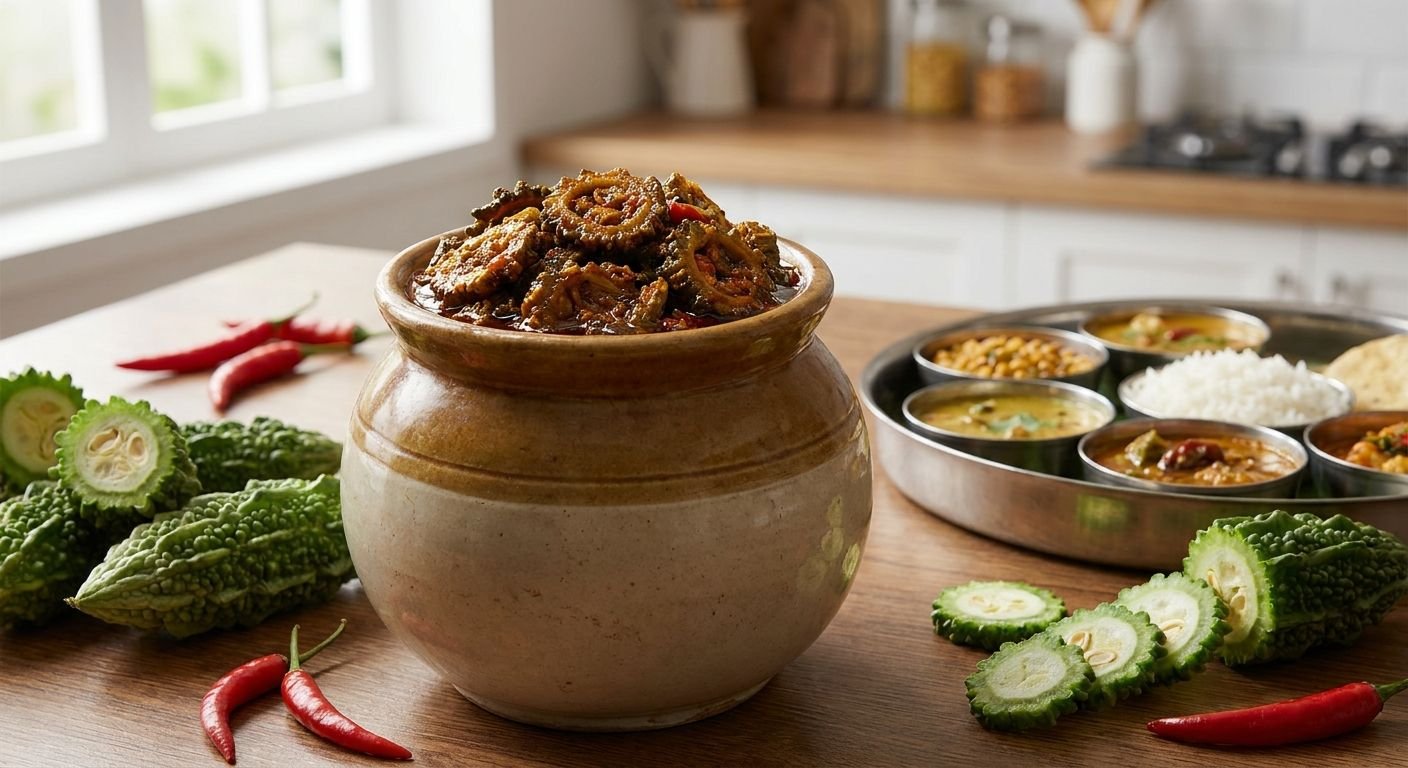
Bitter gourd pickle, known across Andhra kitchens as kakarakaya pachadi, is the one item on a traditional thali that either gets fought over or pushed to the side of the plate. Get the balance of bitterness and tang right, and it becomes the dish that ties the whole meal together.
- Bitter gourd pickle works on an Andhra thali when jaggery and tamarind cut the bitterness without masking it.
- Oil-sealed, small-batch pickles hold up better than vinegar-heavy jars during 2026 overseas shipping.
- Garlic Pickle and Avakaya Pickle without Garlic from Tulasi Pickles round out a bitter gourd-anchored thali – both Buy picks.
- Watery, thin-oil jars are the biggest red flag when buying bitter gourd pickle online in 2026.
Why this matters
Bitter gourd pickle is polarizing because most commercial versions skip the step that makes it work: a proper tamarind-jaggery reduction that tempers the bitterness instead of just adding chili to cover it up. In 2026, with more Andhra households ordering thali staples online instead of making them at home, that shortcut shows up constantly in mass-produced jars.
A thali built around bitter gourd pickle needs a supporting cast – something tangy, something cooling, something garlicky – because bitter gourd is the strongest flavor on the plate. Get the pairing wrong and the whole meal tastes one-note.
Who this is for
This is for anyone rebuilding a proper Andhra thali at home: NRIs craving the exact combination their grandmother served, home cooks in Hyderabad who want the pickle course right without making six jars from scratch, and anyone ordering pickles online who wants to know what belongs next to bitter gourd pickle on the plate, not just what bitter gourd pickle itself should taste like.
What to look for in bitter gourd pickle for an Andhra thali
Oil-to-gourd ratio
The oil isn't just flavor carrier – it's the preservative. A pickle where the gourd slices sit fully submerged in cold-pressed oil (sesame or groundnut, traditionally) holds its color and texture far longer than one where oil floats thin on top. This matters more for bitter gourd than for mango pickle because the vegetable itself is more perishable.
Bitterness-to-tang balance
The defining skill in kakarakaya pachadi is cutting bitterness with tamarind and a small amount of jaggery, not drowning it in chili powder. If the first taste is straight heat with no sour-sweet undercurrent underneath, the batch skipped the step that actually defines the dish.
Cut and texture of the gourd
Thin, uniform rounds cure faster and distribute masala evenly. Thick or uneven pieces mean some bites are bland and others overwhelming – a sign of a rushed batch rather than a rested one.
Tempering and spice blend
A proper tadka – mustard seed, curry leaf, dried red chili, sometimes fenugreek – poured hot over the pickle base is what gives Andhra pickles their layered smell. Masala simply mixed in raw and cold tastes flat by comparison.
Shelf stability without refrigeration
A well-made, oil-sealed bitter gourd pickle is built to travel and sit at room temperature, which is exactly why it's a thali staple in the first place. If a jar needs refrigeration from day one to stay edible, the oil ratio or salt level is off.

Top picks to round out the thali
Bitter gourd pickle rarely sits alone on a proper Andhra plate. Here's what actually earns a spot next to it, based on how each pickle behaves against bitter gourd's edge.
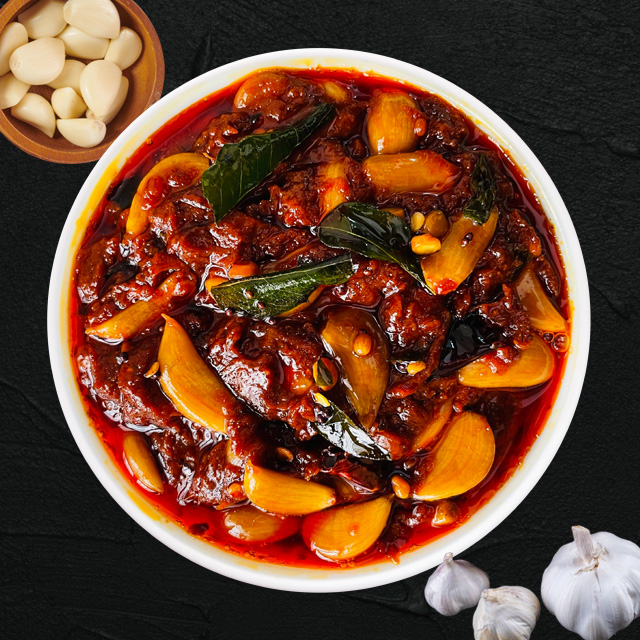
Garlic Pickle – the everyday companion. At ₹200 for the 250g pack, Tulasi Pickles' garlic pickle for immunity-conscious eaters is the pickle most households keep in daily rotation regardless of what else is on the thali. Its whole-clove garlic base is mellow enough not to fight with bitter gourd's sharpness. Buy.
Avakaya Pickle without Garlic – the classic mango counterpart. Priced at ₹200, this diced-mango pickle brings the raw-mango tang that bitter gourd pickle doesn't have on its own. It's the pick for anyone who wants the archetypal Andhra thali flavor without garlic in the mix. Buy.
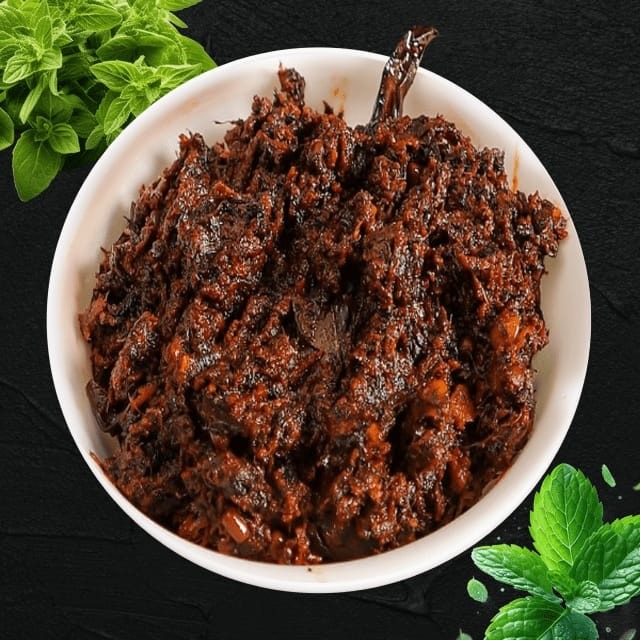
Pudhina Pickle – the cooling contrast. At ₹150, mint-based pudhina pickle cuts through the heat of both bitter gourd and garlic pickle on the same plate. It's a smaller jar and a lighter flavor, so it plays a supporting role rather than a starring one. Consider.
Gongura Pickle – the tangy wildcard. Tulasi Pickles' gongura pickle for tangy Andhra pickle lovers brings sorrel-leaf sourness that competes with bitter gourd for attention rather than complementing it quietly. Great on its own thali, riskier as a third strong flavor on the same plate. Consider.
Two more worth knowing about without crowding the plate: Tulasi Pickles' mixed vegetable pickle for family-style Andhra meals works when you're feeding a mixed group with different spice tolerances, and amla pickle for health-conscious snackers is the pick for anyone treating the pickle course as functional food rather than pure indulgence.
"If the jar shows a thin oil layer instead of full submersion, it won't survive the trip from Hyderabad to anywhere else."
What to avoid
- Vinegar-forward jars marketed as Andhra-style. Traditional kakarakaya pachadi is oil-and-tamarind based, not vinegar-preserved. A vinegar smell on opening means the batch isn't following the regional method.
- Raw masala dumped over sliced gourd with no tempering. Skipping the hot tadka step is the fastest shortcut for mass producers, and it's the reason some bottled versions taste flat instead of layered.
- Watery jars with visible liquid pooling at the bottom. This is a preservation failure, not a stylistic choice – it means the pickle won't hold up on a shelf or during a multi-day shipment, which matters if you're ordering pickles from Hyderabad for delivery elsewhere in India or overseas.
Verdict comparison
| Pick | Best For | Spice Level | Verdict |
|---|---|---|---|
| Garlic Pickle | Daily rice mix, mellow base | Medium | Buy |
| Avakaya Pickle without Garlic | Classic mango tang, no garlic | Medium-hot | Buy |
| Pudhina Pickle | Cooling contrast on a spicy thali | Mild-medium | Consider |
| Gongura Pickle | Tangy stand-alone, not a third flavor | Medium-hot | Consider |
FAQ
What is bitter gourd pickle called in Andhra cuisine?
It’s called kakarakaya pachadi in Telugu, made by curing sliced bitter gourd in oil with tamarind, jaggery, and a tempered spice blend. It’s one of the standard pickle-course items on a full Andhra thali.
Does bitter gourd pickle need to be refrigerated?
A properly oil-sealed jar doesn’t need refrigeration to stay edible for weeks at room temperature. If a jar feels watery or the oil layer looks thin, refrigerate it and use it faster.
What pairs best with bitter gourd pickle on a thali?
Garlic pickle and mango-based Avakaya work well because they add tang and mellow heat without competing with bitter gourd’s sharpness. A cooling side like pudhina pickle balances the plate further.
Is bitter gourd pickle very spicy?
Spice level depends on the batch, but the defining flavor is bitter-tangy, not fiery. A well-made version leans on tamarind and jaggery balance rather than chili heat alone.
Can Andhra pickles be shipped overseas in 2026?
Tulasi Pickles ships its homemade Andhra pickles across India and overseas as of 2026, which is one reason NRIs order thali staples like garlic and mango pickle instead of making small batches abroad.
What’s the difference between garlic pickle and bitter gourd pickle for a thali?
Garlic pickle is mellow and used daily as a rice mix-in, while bitter gourd pickle is a stronger, more polarizing flavor usually served in smaller quantity alongside two or three other pickles.
How do I know a pickle jar is well-made without tasting it first?
Check that the vegetable or garlic pieces sit fully submerged in oil with no visible watery layer at the bottom – that’s the clearest sign of a properly cured, shelf-stable batch.
One last thing
Andhra grandmothers rarely finish a jar of bitter gourd pickle in one sitting for a reason: vinegar-free, oil-based pickles mellow the longer they sit, so a jar opened in week three often tastes more balanced than one opened on day one. Portion it out instead of rushing through the jar, and the bitterness-to-tang ratio keeps improving on its own through 2026 and beyond.
Related guides