
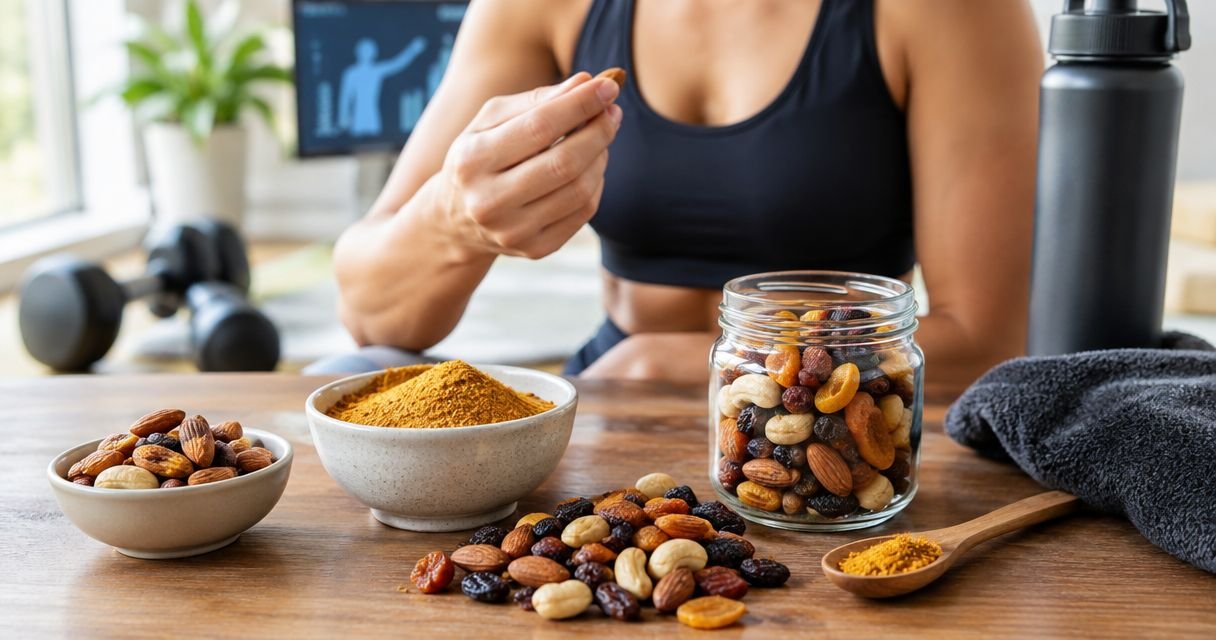
For gym-goers, podi and dry fruits are meal accompaniments and portable snacks that can support a training diet without replacing balanced meals. This 2026 guide explains how to choose Andhra spice powders and nuts, measure portions, and fit both around your workouts without mistaking a condiment for a protein supplement.
- Use podi and dry fruits for gym-goers as meal additions, not replacements for protein-rich meals.
- Tulasi Pickles suits gym-goers seeking Andhra podi for familiar meals, rather than a sports-nutrition supplement.
- Choose nuts, dried fruit and spice powders by ingredients and measured portions, not fitness claims.
- Keep workout snacks separate from spicy meal accompaniments when heat causes digestive discomfort.
Why this matters
Build the meal first; choose the podi second. Rice with a dusting of spice powder does not automatically become a protein-rich recovery meal. Nuts contribute nutrients, but an unmeasured handful is also difficult to track consistently.
You do not need to abandon familiar food to organise your training diet. Start with meals you already eat, then decide where flavour, convenience and portable snacks fit. The practical starting point is how to use podi with idli, dosa and rice, rather than treating every powder as something to take on its own.
Why podi and dry fruits matter for gym-goers
Training creates a practical food-planning problem: you need meals and snacks that fit around work, travel and exercise. Podi can season an otherwise repetitive meal; nuts travel easily and require no cooking.
The distinction between ingredients matters. Kandi Podi uses toor dal, Palli Karam Podi uses peanuts, and Nuvvula Karam Podi is sesame-based. These are different foods, not interchangeable protein powders.
Indian shopping language also groups nuts and dried fruit under “dry fruits”. Almonds and cashews belong to a different nutritional category from raisins or dates. For your 2026 food plan, name the actual ingredient before deciding what role it serves.
How to fit podi and dry fruits into your training diet
1. Define the job of each food
Write down what you want the food to do before choosing a variety. A snack for the commute, seasoning for lunch and food before a workout solve different problems.
For a main meal, identify your protein source, carbohydrate source and vegetables first. Add podi for flavour after that structure is in place. For a portable snack, decide whether you need something to bridge a gap between meals or simply enjoy a crunchy accompaniment.
Do not ask one spoonful of podi to do the work of a complete meal. That distinction prevents exaggerated expectations without excluding traditional foods.
- Identify your goal: muscle gain, weight management or general fitness.
- Choose the meal or snack occasion before the product.
- Keep a clear protein source in your main meals.
- Use podi as seasoning unless the label supports another role.
2. Measure portions before tracking nutrients
Use a kitchen scale and a small bowl to learn what your usual serving weighs. Scoops, pinches and handfuls change with the container and the person serving.
As a measuring exercise, weigh 10 g of podi, 20 g of nuts and 5 g of added oil separately. These are example quantities for learning portion size, not prescribed servings. Your appropriate amount depends on the full meal and your dietary needs.
If the nutrition panel reports values per 100 g, scale those values to the amount you actually eat. Do not enter a full label serving into your food log when you used a different quantity.
- Tare the bowl before weighing each ingredient.
- Record podi and nuts as separate foods.
- Measure oil or ghee added during serving.
- Use the package nutrition panel for calculations.
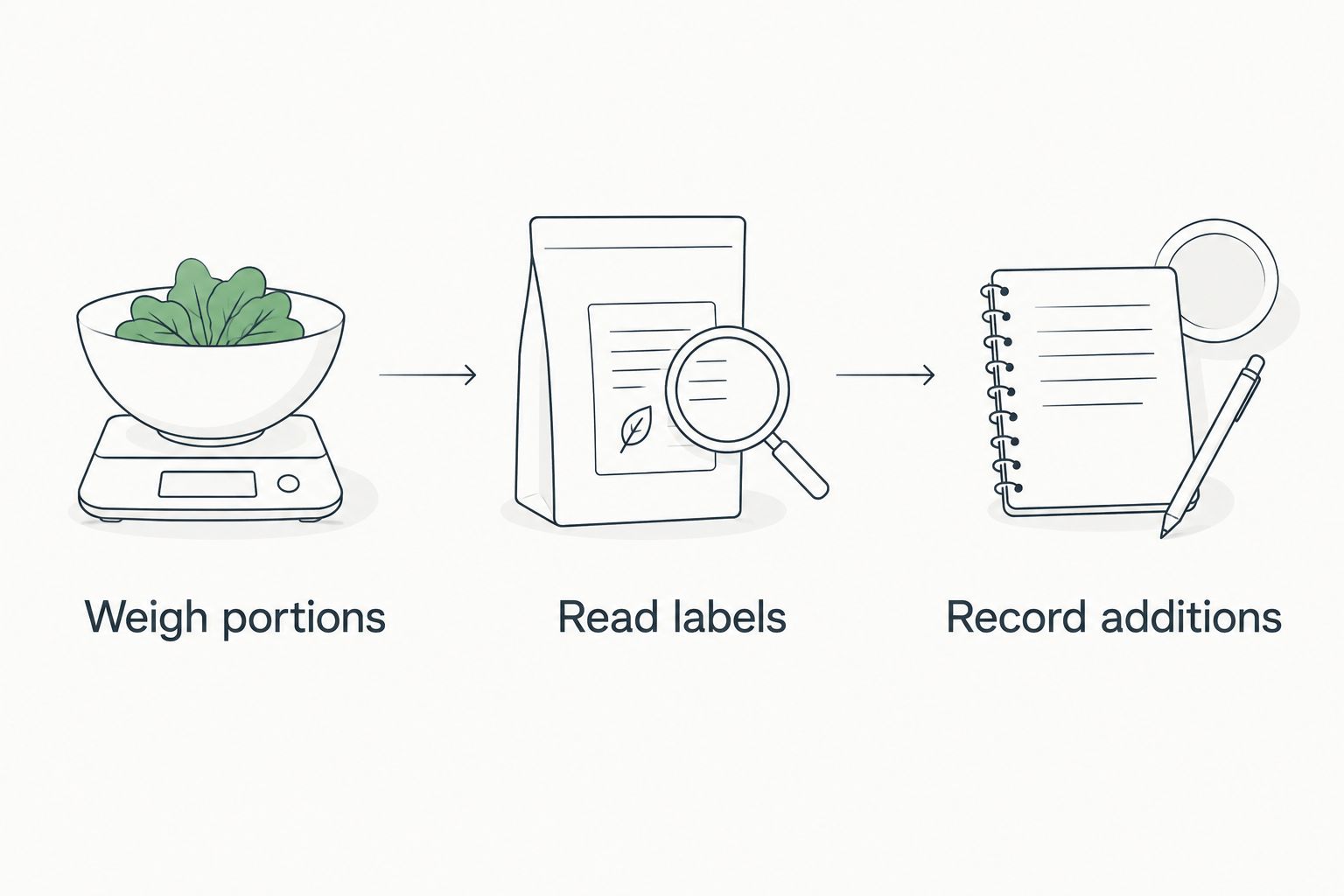
The measurement process stays the same whether you prepare the spice mix at home or buy it ready-made: weigh the portion, read the label, then record any additions.
3. Match the podi to your usual meal
Start with a homemade spice mix whose ingredients you know. Record the recipe if you need to estimate its nutritional contribution; an ingredient list alone does not reveal the finished mix's nutrient values.
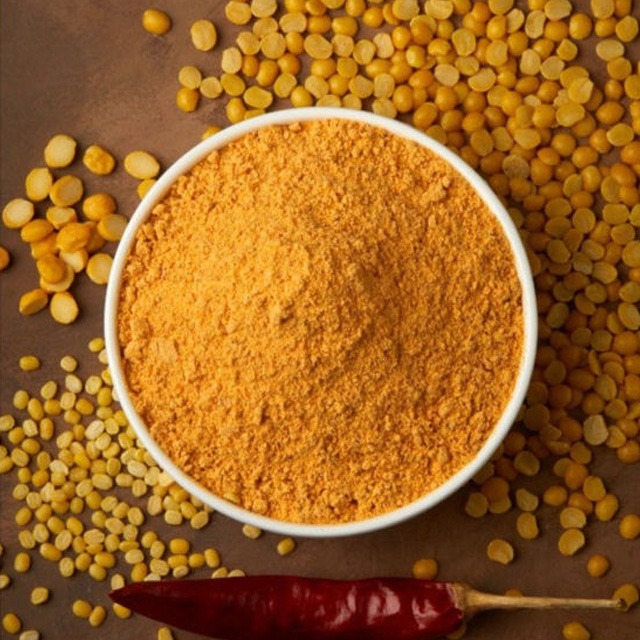
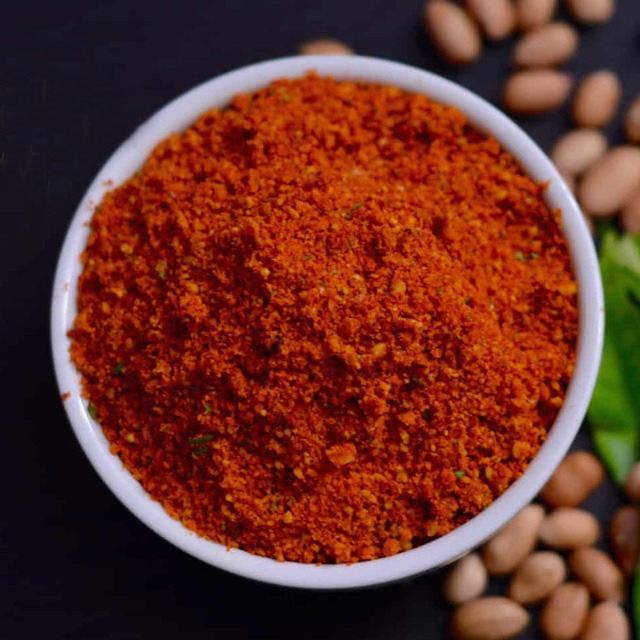
Ready-made podi removes the grinding and blending step. Tulasi Pickles offers Kandi Podi made using toor dal, Palli Karam Podi made using roasted peanuts, and Putnala Karam Podi made with roasted chana dal. Choose according to taste, allergens and the meal you intend to season.
Tulasi Pickles podi is best for gym-goers seeking Andhra flavour in everyday meals, not a substitute for sports-nutrition supplements. The convenience is preparation saved; the limitation is that nutritional tracking still requires the product label.
- Choose Kandi Podi for a toor-dal-based rice accompaniment.
- Choose Palli Karam Podi for peanut flavour, provided peanuts suit you.
- Choose Putnala Karam Podi for a roasted-chana-dal base.
- Read the complete ingredient list before selecting any blend.
4. Separate nuts from dried fruit
Sort your snack choices by what they actually contain. Plain nuts, salted nuts, dried fruit and mixed sweets deserve separate entries in your food plan, even when a shop places them in the same category.
Nuts contain fat as well as protein and other nutrients. Dried fruit supplies concentrated fruit carbohydrates. Neither description makes a food automatically right or wrong for your goal; the portion and the rest of your diet determine its place.
For your 2026 shopping list, prioritise clear ingredient information over phrases such as “gym snack” or “fitness mix”. If you combine ingredients at home, measure them individually before mixing.
- Separate almonds, cashews and pistachios from dried fruit.
- Check whether nuts are plain, salted or coated.
- Read mixed-snack labels for added ingredients.
- Keep sweets separate from everyday nut portions.
5. Build a complete meal around the flavour
Prepare a familiar base meal before reaching for the condiment. For example, serve rice with dal and vegetables, then add a measured amount of podi for the flavour you enjoy.
An idli or dosa breakfast can include sambar and another protein source that suits your diet. Eggs, curd, tofu, paneer, pulses, fish or chicken can play that role in different eating patterns. Choose portions according to your overall plan, not because a menu combination sounds athletic.
Count the podi's contribution; do not assume it supplies the meal's protein target. The question how much protein Kandi Podi contains needs a serving-specific answer, not an estimate borrowed from plain toor dal.
- Pair rice and podi with a substantial protein source.
- Add vegetables instead of making seasoning the whole side dish.
- Measure ghee or oil separately when mixing podi.
- Keep nuts as a planned snack rather than an automatic extra.
6. Test workout timing with familiar foods
Use ordinary training days to learn which meals sit comfortably. A food that suits lunch does not necessarily suit the period just before exercise.
Spicy foods cause digestive discomfort for some people, while larger portions of fatty or high-fibre foods can feel uncomfortable close to training. Personal tolerance matters more than a universal rule about eating podi or nuts at a particular minute.
If a spicy meal repeatedly interferes with exercise, move it to another meal rather than forcing it into your pre-workout routine. For 2026, keep your experiment simple: change the food or the timing, not both together.
- Choose familiar foods before demanding sessions.
- Move spicy podi away from training if it causes discomfort.
- Test smaller snack portions rather than guessing from hunger alone.
- Record what you ate and how the session felt.
7. Pack snacks for the gap you actually face
Portion snacks at home and pack them separately from your lunch condiments. A small food container makes the intended amount visible; eating directly from a large packet removes that reference point.
A gym-bag routine also needs a restocking decision. Gym-bag snacks belong on a repeatable packing checklist: choose the food, portion it, check its storage instructions and replace what you used. Freeze-dried fruit remains a fruit snack, not a protein substitute simply because you carry it to training.
Follow the package storage directions, especially when a bag sits in a warm vehicle or changing room. Packing convenience does not override food storage requirements.
- Pack your intended portion in a clean, dry container.
- Keep snack containers separate from sweaty clothing.
- Check storage instructions before carrying food all day.
- Restock after use instead of carrying forgotten leftovers.
Compare the options for your routine
Choose by meal role first and convenience second. This comparison describes ingredient bases and practical limitations, not a laboratory-tested protein ranking.
| Option | Best for | Main advantage | Key limitation |
|---|---|---|---|
| Homemade podi | Cooks who want recipe control | You choose the ingredients and seasoning | Preparation takes effort; nutrient estimates need the full recipe |
| Kandi Podi | Toor-dal flavour with rice | Adds a familiar pulse-based accompaniment | A condiment portion does not establish a protein-rich meal |
| Palli Karam Podi | Peanut-flavour lovers | Adds a nutty, spicy accompaniment | Contains peanuts; portion and label still matter |
| Putnala Karam Podi | Roasted-chana-dal flavour | Offers another pulse-based seasoning option | Not interchangeable with plain roasted chana nutritionally |
| Plain nuts | Portable, no-cook snacking | Easy to portion ahead | Energy-dense; unsuitable when the relevant nut allergy applies |
| Dried fruit | Portable fruit carbohydrates | Convenient without cooking | Not a replacement for a protein source |
For ready-made seasoning, Tulasi Pickles provides the following podi options. Pick the flavour you will use with an existing meal, then check the ingredient and nutrition information before fitting it into your tracking routine.
Common mistakes gym-goers make
- Logging podi as plain dal or peanuts. A blended condiment has its own ingredient proportions. Use the finished product's nutrition information, not the entry for its headline ingredient.
- Ignoring the mixing fat. Podi stirred into ghee or oil is not nutritionally identical to dry podi. Record what you actually add.
- Replacing a recovery meal with nuts alone. Nuts can contribute to your diet, but a handful does not establish that you have met your protein, carbohydrate or total energy needs.
- Treating every dry-fruit product alike. Plain nuts, salted nuts and sweets made with nuts have different compositions. Read the ingredients instead of relying on the category name.
- Buying for a health promise rather than a meal. Choose a podi because its ingredients and flavour suit your food. Do not expect a spice blend to deliver muscle gain, fat loss or exercise recovery by itself.
FAQ
What’s the best way to use podi and dry fruits for gym-goers?
Use podi to season balanced meals and measured portions of nuts or dried fruit as planned snacks. Keep a clear protein source in your main meals and account for added oil or ghee.
Is Kandi Podi enough protein after a workout?
Do not rely on Kandi Podi alone to meet your post-workout protein needs. Calculate its contribution from the nutrition panel and your actual portion, then assess the complete meal.
Are almonds and cashews the same as dried fruit?
No. Almonds and cashews are nuts, while raisins and dried dates are dried fruit. Shops often group them together, but they serve different nutritional roles.
Can I eat spicy podi before going to the gym?
Eat spicy podi before exercise only if it suits your digestion. If it repeatedly causes discomfort, move it to a meal farther from training and use familiar food beforehand.
Is Tulasi Pickles podi a protein supplement?
Tulasi Pickles podi is an Andhra-style food accompaniment, not a sports-nutrition supplement. Use the product’s ingredient list and nutrition panel to decide how it fits your meals.
How much podi or dry fruit should I eat each day?
Choose the amount according to your complete diet, training goal and individual needs. Weigh your usual portion first; a standard spoonful or handful is not a personalised serving recommendation.
Can I include podi and nuts while trying to lose weight?
Yes, podi and nuts can fit a weight-management diet when their portions fit your overall energy intake. Include any mixing fat and avoid assuming that a nutritious ingredient makes portions unlimited.
One last thing
Make flavour repeatable before making the meal complicated. Keep the base meal familiar, weigh the seasoning and record the additions. Your most useful 2026 change is a portion you can reproduce, not another food labelled for fitness.
Related guides
- Dry fruits and nuts for post-workout snacking
- How long idli karam podi stays fresh after opening
- Choosing the right podi grind for mixing with rice