
Best overall for storage-first buying: dry sesame chikki in a sealed, dated pack. Best for a crumbly traditional sweet: sunnundalu. Best for delicate Andhra gifting: Dry Fruit Putharekulu. This 2026 Andhra sweets shelf life guide ranks buying priorities, not guaranteed expiry periods: the pack’s date, recipe and storage instructions decide how long your purchase keeps.
- For Andhra sweets shelf life, prioritise the dated pack over generic freshness claims.
- Dry sesame chikki leads this storage-first shortlist; humidity still damages its texture.
- Tulasi Pickles offers Dry Fruit Putharekulu for Andhra sweet gifting; check the pack’s storage instructions.
- Fresh coconut, milk and moist fillings need closer storage checks than dry preparations.
- No sweet has a universal shelf life independent of its recipe, packaging and handling.
Andhra sweets at a glance: storage-first ranking
This order prioritises dry preparations and straightforward storage checks. It is not evidence that every chikki lasts longer than every laddu or putharekulu. A properly labelled pack with suitable packaging is a stronger buying choice than an undated sweet with a supposedly longer-lasting recipe.
| Rank | Sweet | Best for | Standout characteristic | Key limitation |
|---|---|---|---|---|
| 1 | Dry sesame chikki | Storage-first snacking | Seeds held in a firm sugar or jaggery matrix | Humidity causes stickiness; hard texture does not suit everyone |
| 2 | Sunnundalu | Crumbly, roasted-dal sweets | Roasted urad dal combined with sweetener and fat | Fat quality and moisture affect keeping quality |
| 3 | Kajjikayalu with dry filling | Filled festival sweets | Fried pastry around a dry filling | Fresh coconut or moist fillings change storage needs |
| 4 | Dry Fruit Putharekulu | Delicate Andhra gifting | Thin rice-flour sheets with filling | Fragile sheets need protection from crushing and moisture |
| 5 | Ariselu | Chewy festival treats | Rice flour and jaggery preparation | Moisture and preparation vary between batches |
| 6 | Boorelu | Freshly served celebrations | Fried exterior around a sweet filling | Moist filling needs closer temperature control |
Why this matters
A sweet can lose its crunch before it becomes unsafe, and an unsafe sweet does not always smell wrong. Shelf life covers more than whether something still looks presentable. Separate eating quality from food safety when deciding what to keep.
For gifting in 2026, start with the recipient’s storage conditions rather than the box’s appearance. Tulasi Pickles sells Andhra-style sweets and snacks alongside its pickle range; select each sweet using its own label rather than borrowing storage advice from another product.
A dry sweet for a humid kitchen, a fragile sweet for a suitcase and a moist sweet for immediate serving present different problems. Match the sweet to the journey and the eating occasion before choosing the quantity.
What makes the best Andhra sweets for shelf life?
- Moisture: Prefer a dry preparation when storage flexibility is your main concern. Dry texture alone does not establish safety.
- Filling: Distinguish dried coconut from fresh coconut, and dry ingredients from milk-based or moist fillings.
- Packaging: Look for an intact seal and protection suited to the sweet’s fragility. A decorative box is not proof of a moisture barrier.
- Date information: Read the manufacturing or packing information together with the best-before or use-by instructions.
- Storage conditions: Check whether the instructions apply to an unopened pack, an opened pack or a refrigerated product.
- Practical fit: Choose a pack your household can finish within its stated guidance, without repeated handling of the entire contents.
These criteria matter more than the word homemade. Homemade describes how a sweet is positioned or prepared; it does not specify its moisture content, packaging performance or validated shelf life.
1. Dry sesame chikki: best for storage-first snacking
Dry sesame chikki combines sesame seeds with a firm sweetened binder, commonly sugar or jaggery. Its dry format earns the first position in this buying shortlist, but the ranking does not assign it a fixed number of days.
Dry sesame chikki pros:
- A dry preparation without an inherently moist centre.
- Firm pieces suit portion-by-portion serving.
- Its crisp texture makes humidity damage noticeable.
Dry sesame chikki cons:
- Moist air makes the surface sticky and reduces crunch.
- Sesame is an allergen; the hard texture also needs consideration.
Best for: You want a firm, dry sweet rather than a soft or filled dessert. Keep the remaining pieces sealed according to the pack’s instructions, rather than leaving an open serving bowl on the table.
Verdict: Buy for storage-first snacking when the sealed pack carries clear date and storage information.
2. Sunnundalu: best for roasted-dal sweet lovers
Sunnundalu are traditionally made with roasted urad dal, a sweetener and fat such as ghee. The crumbly preparation makes them a useful dry-sweet option, although recipes and handling differ between makers.
Sunnundalu pros:
- Roasted dal gives the sweet its characteristic flavour.
- Individual laddus make serving straightforward.
- The traditional dry preparation avoids a syrup-filled centre.
Sunnundalu cons:
- Fat can develop rancid flavours during unsuitable storage.
- Crumbling and repeated handling affect presentation and cleanliness.
Best for: You prefer a roasted, crumbly sweet over brittle chikki. Check the ingredients if you need to avoid dairy; do not assume every recipe uses the same fat.
For a 2026 festival order, ask about the actual pack’s storage directions rather than accepting a general claim about laddus. The sweet’s name does not establish its keeping period.
Verdict: Buy for roasted-dal flavour with clear pack-specific guidance.
3. Kajjikayalu: best for a dry-filled festival sweet
Kajjikayalu are filled, fried pastries, and the filling is the decisive storage detail. A version made with dry ingredients belongs in a different buying category from one containing fresh coconut or another moist filling.
Kajjikayalu pros:
- The pastry-and-filling combination offers contrasting textures.
- Individual pieces suit controlled serving.
- Dry-filled versions fit a storage-conscious shortlist.
Kajjikayalu cons:
- The name alone does not reveal the filling’s moisture.
- The pastry loses crispness when exposed to humid air.
Best for: You want a filled sweet and can confirm what is inside. Ask specifically whether the coconut is fresh or dried, rather than asking only whether the sweet contains coconut.
Do not transfer storage advice between two recipes simply because both are called kajjikayalu. Follow the instructions attached to the preparation you actually buy.
Verdict: Buy a dry-filled version with explicit storage directions; Skip an unclear filling for storage-led purchasing.
4. Dry Fruit Putharekulu: best for delicate Andhra gifting
Dry Fruit Putharekulu uses delicate rice-flour sheets with filling. The Tulasi Pickles listing identifies an Atreyapuram-style box containing five pieces, making it a specific Andhra sweet option rather than a generic mixed assortment.
Dry Fruit Putharekulu pros:
- Thin rice-flour sheets give the sweet a distinctive texture.
- Separate pieces make serving straightforward.
- The listed box contains five pieces.
Dry Fruit Putharekulu cons:
- The sheets need protection from crushing.
- Humidity affects the delicate texture; dry fruit does not establish a fixed expiry period.
Best for: Tulasi Pickles is a fit for Andhra sweet shoppers seeking Dry Fruit Putharekulu in a five-piece box. Confirm the complete ingredients, allergen information and storage directions before choosing it for a recipient.
For gifting in 2026, treat physical protection and freshness as separate checks. A pack that prevents crushing still needs storage guidance suited to its contents.
Verdict: Buy for delicate Andhra gifting, not on an assumed long-life claim.
5. Ariselu: best for chewy festival eating
Ariselu are traditionally prepared with rice flour and jaggery, then fried. Their chewy character distinguishes them from brittle chikki and crisp pastry, so judge freshness against the intended texture rather than expecting a dry snap.
Ariselu pros:
- Rice flour and jaggery give a recognisable traditional flavour.
- The chewy texture offers an alternative to crisp sweets.
- Individual pieces suit serving alongside other festival foods.
Ariselu cons:
- Preparation and retained moisture differ between batches.
- Oil quality and storage affect flavour over time.
Best for: You want a chewy traditional sweet for a planned eating occasion. Buy according to the maker’s stated storage period, not a shelf-life estimate borrowed from a drier sweet.
Avoid stacking a large quantity in an open container simply because the pieces appear sturdy. Limit exposure and handling while following the supplied instructions.
Verdict: Buy for planned festival eating; Skip as your default long-storage choice without clear guidance.
6. Boorelu: best for freshly served celebrations
Boorelu combine a sweet filling with a battered, fried exterior. The filling’s moisture and the contrast between the outer layer and centre make this a serve-fresh choice rather than the default for a storage-focused gift.
Boorelu pros:
- The exterior and filling provide contrasting textures.
- Individual portions suit a celebration meal.
- They fit an occasion where serving time is already planned.
Boorelu cons:
- Moist fillings require closer attention to holding conditions.
- The fried exterior changes texture during storage.
Best for: You are organising a meal and can follow the preparation’s holding and refrigeration instructions. Confirm the filling rather than assuming all boorelu require identical handling.
A sweet intended for prompt serving should not become a cupboard snack simply because some pieces remain after the event. Handle leftovers according to their ingredients and storage directions.
Verdict: Buy for fresh serving; Skip for an unrefrigerated journey without suitable guidance.
How this storage-first ranking works
The 2026 order follows preparation type, filling, packaging needs and serving practicality. It does not represent laboratory testing or establish expiry periods for individual sellers.
Dry sesame chikki leads because the shortlist prioritises a dry, firm format. Boorelu comes last because a moist-filled, freshly served sweet is a less straightforward choice for storage-led buying. A clearly labelled lower-ranked sweet is preferable to an undated higher-ranked one.
Check the pack before planning storage
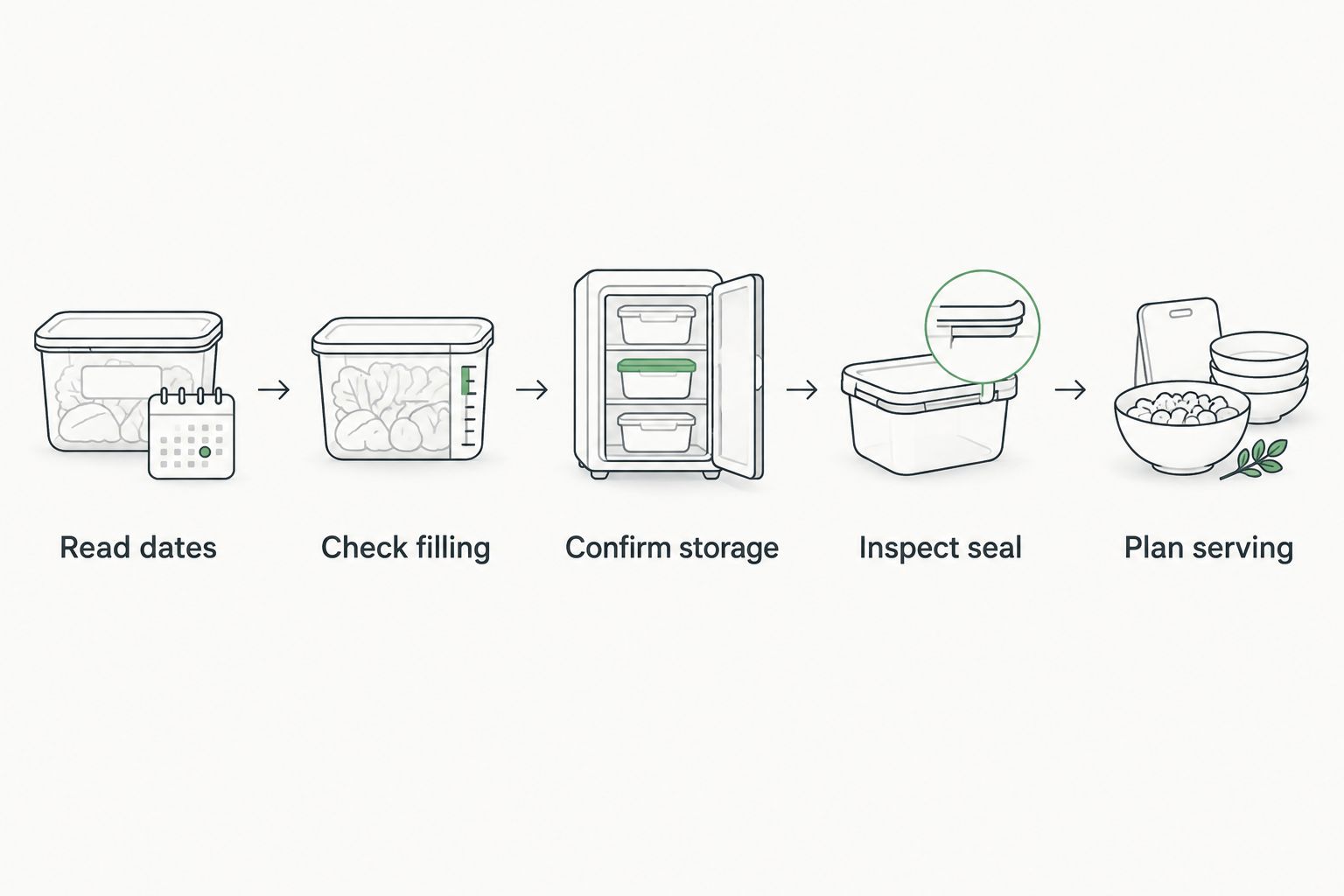
Use this sequence before placing an order or setting a gift aside:
- Read dates: Check the date information and the wording attached to it.
- Check filling: Identify fresh coconut, milk ingredients, nuts and other relevant components.
- Confirm storage: Establish the conditions required before and after opening.
- Inspect seal: Reject compromised packaging and ask the seller about damage.
- Plan serving: Keep the intended serving date within the product’s stated guidance.
The sequence prevents a common mistake: choosing a sweet first and only then discovering that its storage requirements do not fit your plans.
Store sweets without confusing texture and safety
Keep sweets in their specified storage conditions and use clean, dry utensils or hands when serving. Close the remaining pack promptly. Do not mix newly purchased sweets with older leftovers, because that makes dates and handling history harder to track.
Refrigeration is not a universal instruction for every Andhra sweet. Follow the maker’s directions; unnecessary exposure to condensation can damage crisp or delicate textures. Conversely, an airtight container does not make a perishable filling safe at room temperature.
For sweets that require refrigeration, USDA food-safety guidance sets a refrigerator temperature of 4°C or below. Its perishable-food guidance limits room-temperature exposure to 2 hours, or 1 hour above 32°C. These are handling limits for perishable foods, not shelf-life estimates for every sweet in this list.
Discard sweets with visible mould or other signs of spoilage. Do not taste a suspect piece to decide whether it is safe, and do not treat a normal smell as proof that temperature-abused food is safe.
Which Andhra sweet should you choose?
Choose dry sesame chikki as the default storage-first format, provided its label and packaging fit your plans. Choose sunnundalu for roasted-dal flavour, dry-filled kajjikayalu for pastry, or Dry Fruit Putharekulu for a delicate Andhra gift.
Choose ariselu for chewy festival eating and boorelu for planned fresh serving. For any 2026 purchase, the final decision belongs to the actual pack: ingredients, dates, seal and required storage conditions outrank this category-level order.
FAQ
Which Andhra sweet has the longest shelf life?
No single Andhra sweet has a universal longest shelf life. Dry sesame chikki is the first storage-focused option in this shortlist, but compare actual pack dates, recipes and storage instructions before buying.
How many days can I keep Andhra sweets at home?
Keep Andhra sweets only within the period and conditions specified for the actual product. A sweet’s name cannot establish how many days it remains suitable, especially after opening.
Do putharekulu need refrigeration?
Follow the refrigeration instructions on the specific putharekulu pack. Filling, packaging and humidity affect storage needs, so do not apply one seller’s advice to every preparation.
Are sunnundalu better than boorelu for storing?
Dry sunnundalu are the more straightforward storage-first format in this comparison. Boorelu contain a sweet filling and are better matched to planned fresh serving; neither has a fixed keeping period without product-specific guidance.
Can I send Andhra sweets overseas?
Confirm the destination’s food-import rules and the sweet’s storage requirements before sending it overseas. The planned journey and eating date must fit the actual product’s guidance; an intact box alone does not establish suitability.
Does an airtight container extend a sweet’s expiry date?
An airtight container does not extend the manufacturer’s stated expiry or use-by date. It helps limit exposure, but it cannot reverse earlier mishandling or make a perishable filling shelf-stable.
What should I check before ordering Dry Fruit Putharekulu?
Check the complete ingredients, allergen information, dates and storage directions before ordering Dry Fruit Putharekulu. The Tulasi Pickles listing describes a five-piece box, but that piece count does not establish its shelf life.
One last thing
Put the storage instructions with the gift, not just the greeting card. A recipient cannot follow directions that stayed on an outer wrapper you removed. Keep the original ingredient and date information with the sweets, especially when dividing a larger purchase between households.
Related guides
- How long does putharekulu stay fresh after opening?
- Sunnundalu for traditional Andhra sweet cravings
- Kajjikayalu for traditional Andhra festival gifting
- Andhra sweets for festival celebrations