
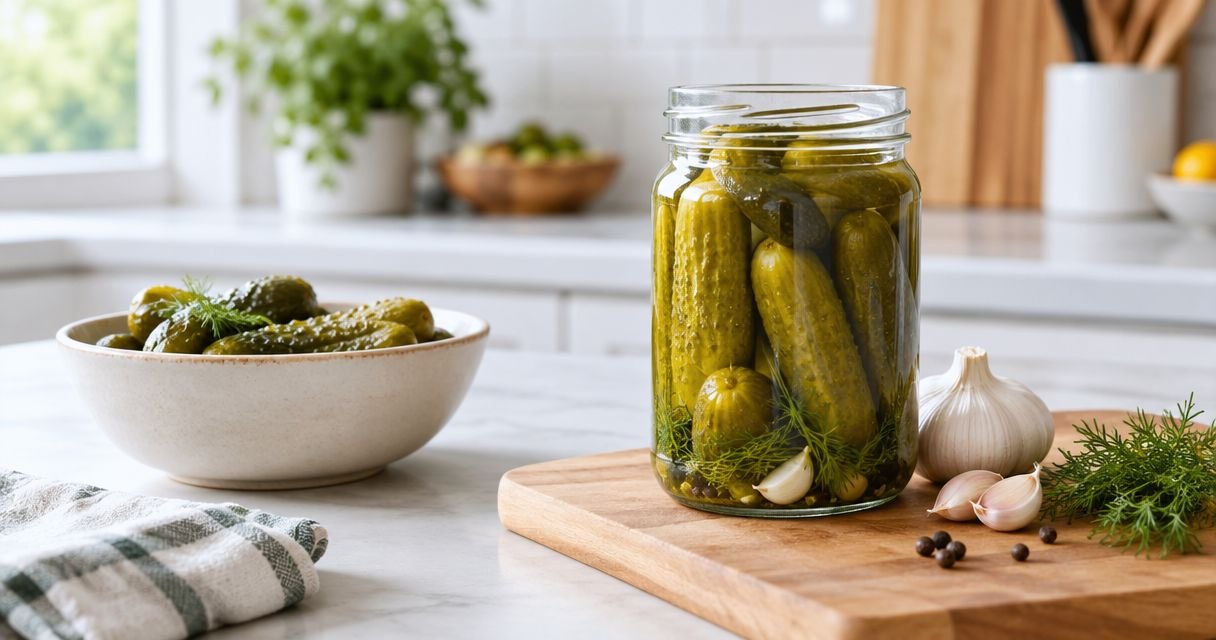
If acid reflux flares up after your favorite Andhra pickle, the fix isn't giving up pickles — it's picking the right style. Best overall for daily use: Ginger Pickle in small servings. Best for cutting the biggest trigger: Oil-Free Pickles. Best for elderly parents or first-time eaters: Low-Spice Pickles for Elderly Parents. This 2026 guide ranks the low acid pickles for acid reflux worth trying from Tulasi Pickles' Andhra-style lineup, and calls out which styles to skip.
- Ginger Pickle is the best low acid pickle for acid reflux when eaten in small daily servings.
- Oil-Free Pickles are the top pick if fat, not chili, is your main trigger.
- Low-Spice Pickles for Elderly Parents cuts chili heat while keeping traditional tang.
- Low-Sodium Pickles suit anyone managing both blood pressure and reflux together.
- Portion size matters more than the pickle name — a small spoonful beats a heaping tablespoon regardless of style.
Why this matters
Fatty food, spicy food, and heavily acidic or vinegar-soured food are the three triggers doctors most commonly flag for reflux and GERD. Traditional Andhra pickles check all three boxes: they're cured in oil, built around red chili or green chili heat, and soured with tamarind or lime. That doesn't mean every pickle is off-limits in 2026 — it means the pickle you choose, and how much of it you eat, changes how your stomach reacts.
Tulasi Pickles makes pickles across the full heat and oil spectrum, and choosing the right spice level in pickles is the first lever most reflux sufferers overlook. Dialing down chili alone won't fix reflux if the oil and tamarind content stay high — all three factors need adjusting together.
“Cut the oil and the chili and most traditional Andhra pickles stop being reflux triggers – the tamarind tang is what’s left to manage.”
What makes the best low-acid pickle
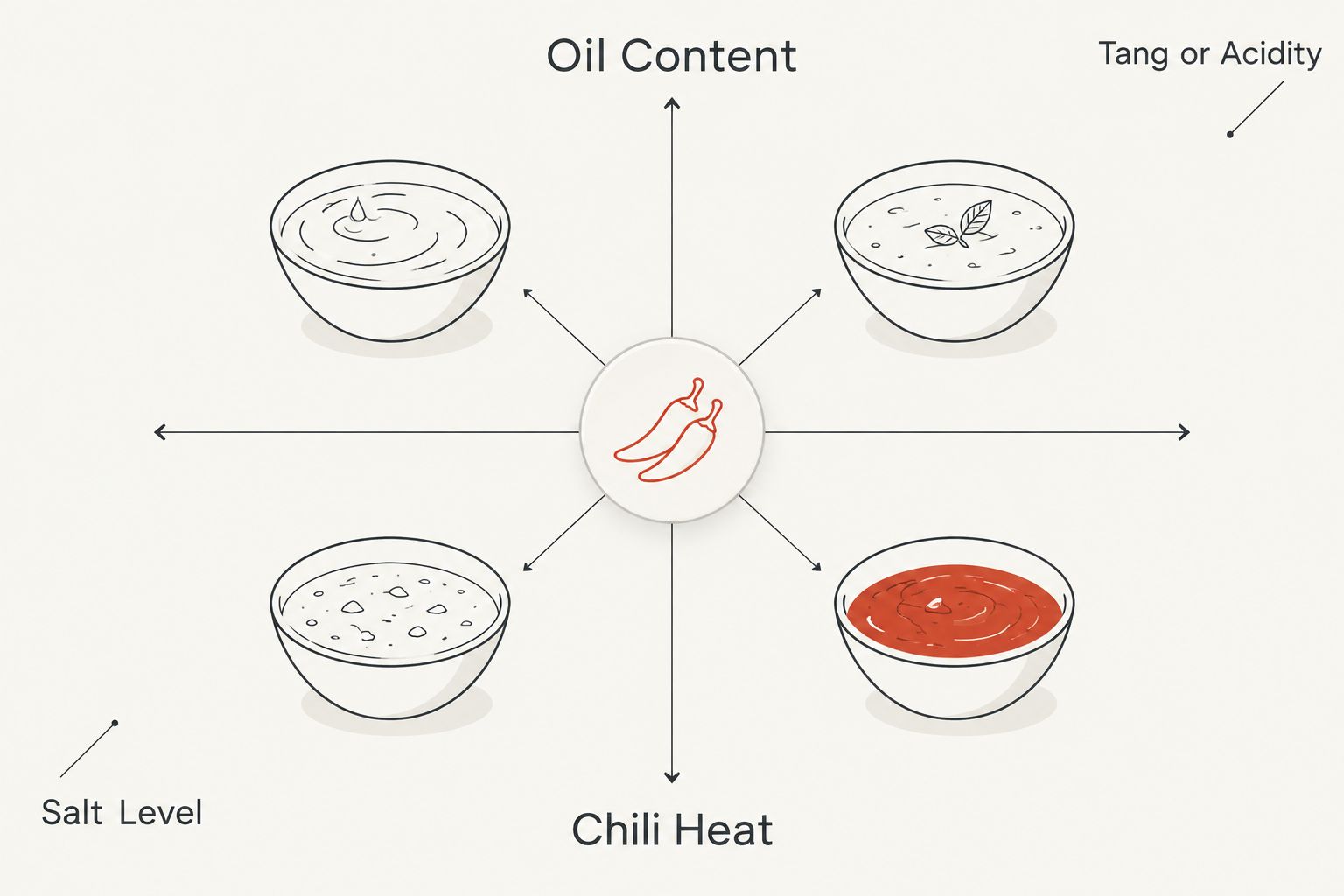
Before ranking anything, here's what actually separates a reflux-friendly pickle from a regular one:
- Oil content — less oil means less fat sitting in the stomach and relaxing the valve that keeps acid down.
- Chili heat level — capsaicin is a documented reflux irritant for a large share of sufferers.
- Salt level — high-sodium pickles often pair with more oil and longer fermentation, compounding the issue.
- Tang or souring agent — tamarind, lime, and vinegar all add acidity on top of the pickle's own fermentation.
- Portion size — a teaspoon-sized serving behaves differently in the stomach than a full tablespoon.
- Batch freshness — pickles that have fermented longer tend to taste more sour, since acidity builds with age.
At a glance
| Pickle style | Best for | Standout feature | Key limitation |
|---|---|---|---|
| Ginger Pickle | Daily digestion-friendly use | Warming spice without chili overload | Still oil-based; keep portions small |
| Low-Spice Pickles for Elderly Parents | Sensitive stomachs, low heat tolerance | Chili dialed down, tang kept traditional | Less punch for spice lovers |
| Oil-Free Pickles | Cutting the fat trigger specifically | Lower oil load per serving | Shorter shelf life once opened |
| Low-Sodium Pickles | Reflux plus blood-pressure management | Reduced salt, generally milder | Less shelf stability than full-salt cure |
| Beerakaya (Ridge Gourd) Pickle | Light, everyday vegetarian meals | Lighter base vegetable than mango or meat | Still uses oil and spice in tempering |
| Mild Pickles for Kids | Testing personal tolerance first | Smallest chili load in the lineup | Underwhelming for an adult-size portion |
1. Ginger Pickle: best low-acid pickle for daily digestion-friendly use
Ginger has a long-standing place in Indian kitchens as a digestion-friendly ingredient, and Tulasi Pickles' ginger pickle carries that warmth without relying on heavy chili for its kick. It's cooked with oil and a souring agent like any traditional pickle, but the chili load sits lower than a mango or Guntur-style pickle.
Ginger Pickle pros:
- Warming spice profile that doesn't depend on chili heat
- A small quantity goes a long way with rice or curd rice
- Familiar, mild flavor for people easing back into pickles after a reflux flare
Ginger Pickle cons:
- Still made with oil and salt, so portion control still matters
- Tamarind-based versions can lean tangy, which itself bothers some reflux sufferers
- Not a medical remedy — it's a milder pickle, not a treatment
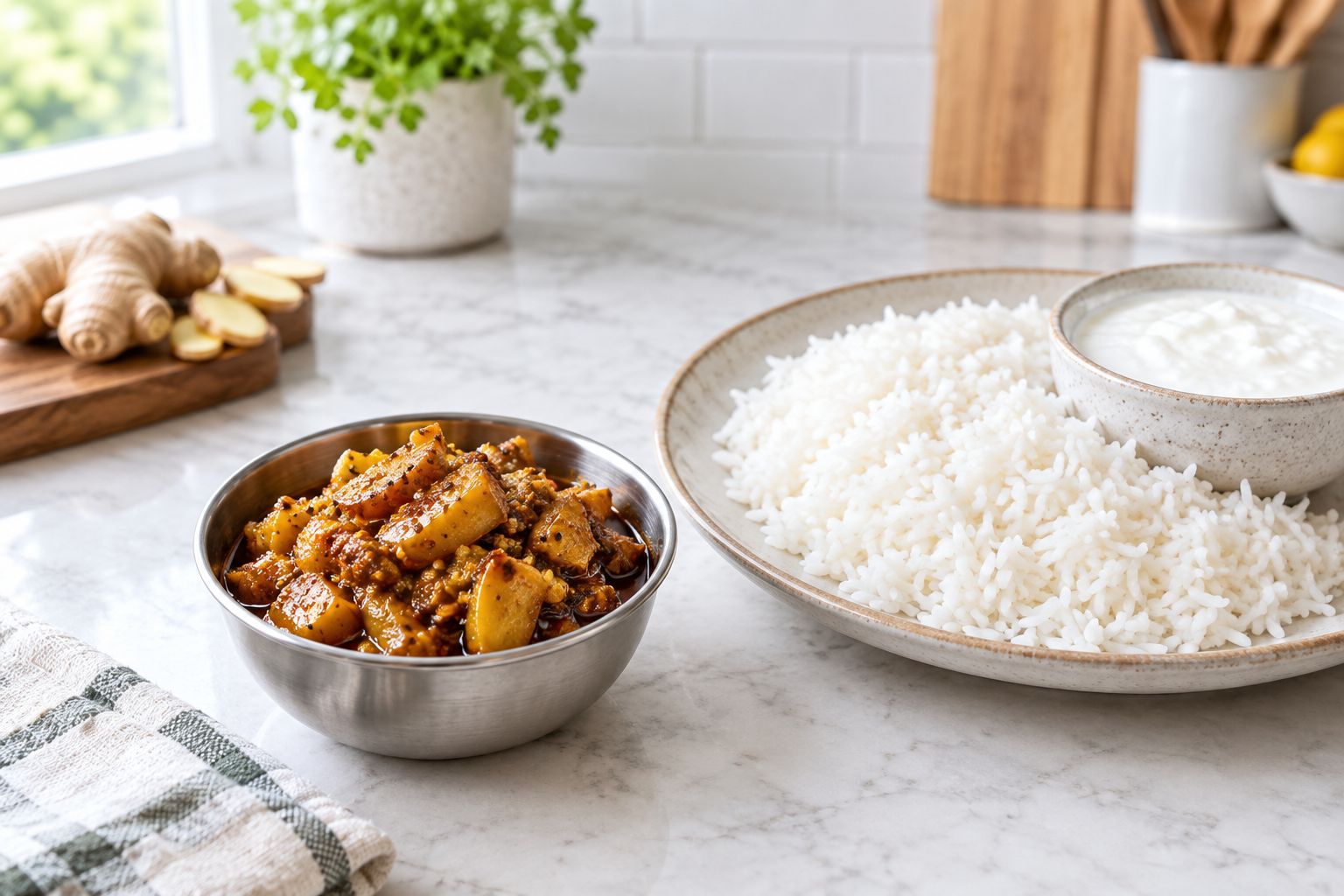
Ginger Pickle best for: people who want a mild, familiar pickle for daily use in small spoonfuls. Verdict: Buy — start here to test your tolerance.
2. Low-Spice Pickles for Elderly Parents: best for sensitive stomachs
This line reduces chili content while keeping the traditional souring and tempering intact, built with older or first-time pickle eaters in mind. The flavor stays recognizably Andhra-style, just without the heat spike.
Low-Spice Pickles for Elderly Parents pros:
- Meaningfully lower chili count than the standard versions
- Keeps traditional lime or tamarind tang instead of stripping flavor entirely
- Easier on aging digestive systems that react badly to heavy spice
Low-Spice Pickles for Elderly Parents cons:
- Still oil-cured, so the fat trigger remains
- Tang level varies by pickle type within the range
- Not enough heat for someone who actually enjoys spicy pickle
Low-Spice Pickles for Elderly Parents best for: elderly relatives or first-time eaters managing reflux who still want traditional taste. Verdict: Buy.
3. Oil-Free Pickles: best for cutting the fat trigger
Oil-Free Pickles skip the oil layer that most Andhra pickles are packed and preserved in, leaning on salt, spice, and tamarind for flavor and shelf stability instead. This is the direct answer for anyone whose doctor specifically flagged fat as the reflux culprit.
Oil-Free Pickles pros:
- Removes the single biggest reflux trigger in traditional pickle-making
- Noticeably lighter on the stomach after a meal
- Good fit if a doctor has already told you to cut dietary oil
Oil-Free Pickles cons:
- Shorter shelf life once opened — refrigerate and finish faster than an oil-cured jar
- Texture and richness differ from a traditional oil-preserved pickle
- Salt and chili levels still vary by batch, so check the listing before ordering
Oil-Free Pickles best for: reflux sufferers whose main trigger is fat rather than spice. Verdict: Buy — the strongest pick if oil is your specific issue.
4. Low-Sodium Pickles: best for reflux plus blood-pressure management
Low-Sodium Pickles reduce salt content for buyers managing blood pressure, and that reduction usually comes with a milder overall flavor — a helpful side effect for reflux management too.
Low-Sodium Pickles pros:
- Lower sodium load fits a broader dietary restriction, not just reflux
- Generally gentler spice profile than the standard salt-cured version
- A sensible crossover pick if you're managing more than one condition
Low-Sodium Pickles cons:
- Reduced salt means shorter shelf stability once opened
- Flavor is noticeably less punchy than a full-salt-cured pickle
- Still not zero-acid — tamarind or lime souring is unchanged
Low-Sodium Pickles best for: someone managing both blood pressure and occasional reflux. Verdict: Hold — solid secondary pick, not the first one to reach for on flavor.
5. Beerakaya (Ridge Gourd) Pickle: best light everyday vegetarian option
Beerakaya, or ridge gourd, is a lighter, more watery vegetable than mango, gongura, or any meat base, and that carries through into the pickle. It's a gentler everyday option rather than a targeted reflux formulation.
Beerakaya Pickle pros:
- Naturally lighter vegetable base than fruit or non-veg pickles
- Works well as a small daily side with rice
- Familiar Andhra vegetarian flavor without heaviness
Beerakaya Pickle cons:
- Still made with oil and tempering spice
- Milder taste may feel plain to gongura or mango-pickle regulars
- Not marketed or formulated specifically for reflux management
Beerakaya Pickle best for: everyday vegetarian meals where you want pickle flavor without a heavy base. Verdict: Hold — fine daily choice, not a targeted pick.
6. Mild Pickles for Kids: best for testing personal tolerance first
This line carries the smallest chili load in the entire Tulasi Pickles range, originally built to ease children into pickle flavors. It doubles as a low-risk starting point for any adult figuring out how their reflux responds to pickle in general.
Mild Pickles for Kids pros:
- Smallest heat and spice exposure of any option on this list
- A safe, small first taste for testing your own reflux response
- Gentle entry point before trying spicier styles
Mild Pickles for Kids cons:
- Adult portions may feel underwhelming on flavor
- Not formulated with sodium or oil reduction specifically
- Still a pickle — moderation still applies
Mild Pickles for Kids best for: first-time pickle eaters or anyone testing reflux tolerance before moving to spicier options. Verdict: Wait — try this before committing to a spicier jar.
Ease into pickles without the burn
Browse the full Tulasi Pickles range and pick a milder style to start with.
How we ranked
Each pickle style above is judged against the same six factors: oil content, chili heat, salt level, tang or acidity, portion size guidance, and how fresh the batch is at purchase. None of these factors work alone — a low-oil pickle that's heavy on tamarind can still trigger symptoms, and a mild-chili pickle loaded with oil offers little relief either. The ranking rewards styles that improve on more than one factor at once.
Which pickle style should you choose?
If fat is your specific trigger, Oil-Free Pickles is the direct answer. If you want a mild, familiar daily pickle, Ginger Pickle in small servings wins. If you're buying for an elderly parent or a first-time eater, go with Low-Spice Pickles for Elderly Parents. If reflux sits alongside a blood-pressure diagnosis, Low-Sodium Pickles covers both.
None of this replaces a conversation with your own doctor — reflux triggers vary from person to person, and a style that works for one household member can still bother another. Start with a small spoonful of whichever pick fits your situation, watch how you feel over a few days in 2026, and adjust from there rather than swearing off pickle entirely.
FAQ
What makes a pickle low acid for acid reflux?
A low acid pickle for acid reflux has less oil, less chili heat, less salt, and less tamarind or lime souring than a standard pickle. All four factors add to reflux risk, so reducing more than one at once matters more than any single ingredient.
Are Andhra pickles bad for acid reflux?
Traditional Andhra pickles are oil-cured, chili-forward, and tamarind-soured, which covers the three most common reflux triggers doctors flag. Milder, oil-reduced, or low-chili versions are gentler options within the same style.
Is ginger pickle good for acid reflux?
Ginger pickle is a milder option because it relies on ginger’s warmth rather than heavy chili for flavor, but it’s still oil-based and tamarind-soured. Small servings work better than large ones for most reflux sufferers.
Can I eat oil-free pickles if I have GERD?
Oil-free pickles remove the fat that’s commonly linked to reflux flare-ups, making them a reasonable choice for GERD management. Salt and chili levels still vary by batch, so check the listing before buying.
How much pickle can I eat with acid reflux?
A small spoonful with a meal is a safer starting point than a heaping tablespoon, regardless of the pickle style. Portion size affects reflux risk as much as the pickle’s ingredients do.
Are low-sodium pickles better for acid reflux?
Low-sodium pickles are often milder overall, which helps with reflux, but the reduction targets salt specifically rather than oil or acidity. They work best for people managing blood pressure and reflux together.
What pickle ingredients trigger acid reflux the most?
Oil, chili heat, and souring agents like tamarind, lime, or vinegar are the most commonly cited triggers. Salt tends to compound the effect rather than cause reflux on its own.
Should I avoid mango pickle if I have acid reflux?
Standard mango pickle is typically higher in oil, chili, and tang than the milder styles on this list, so it’s worth limiting during a reflux flare. A small taste alongside a bland dish like curd rice is a safer way to test it.
One last thing
The ingredient reflux sufferers usually blame least is the one worth watching most: tamarind and lime tang. A pickle can be low-oil and low-chili and still trigger symptoms if it's heavily soured — the acidity doesn't disappear just because the heat and fat do. Read the pickle's flavor profile, not just its "mild" or "low-spice" label, before deciding how much to serve yourself in 2026.
Related guides
- Low-spice pickles for elderly parents with dietary needs
- Best low-sodium pickles for blood pressure patients