
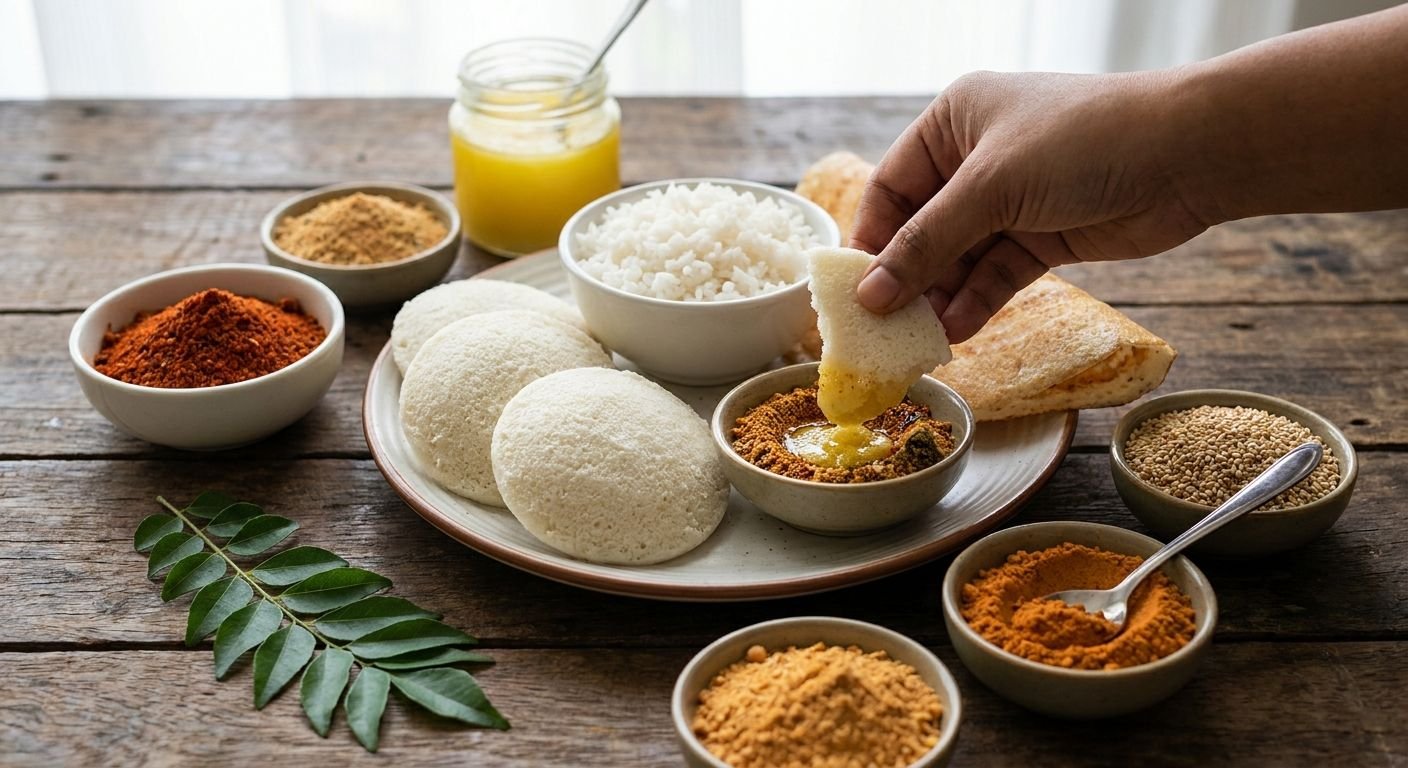
Podi turns a plain plate of rice or a stack of idlis into a finished meal in under two minutes, and getting the ratio, oil, and pairing right is the difference between a forgettable bowl and one you go back for seconds on. This guide walks through exactly how to use podi with idli, dosa, and rice, plus which spice powder suits which dish.
- Mix 1-2 teaspoons of podi per idli with a teaspoon of ghee or sesame oil for the classic Andhra combo.
- Guntur Karam and Nuvvula Podi work best with hot rice; Kobbari Podi and Putnala Podi suit dosa and chutney duty.
- Store opened podi in an airtight jar away from moisture — homemade batches from Tulasi Pickles hold flavor for weeks in 2026’s humid months if sealed right.
- Skip mixing podi into wet batter; always add it after the idli or dosa is cooked and off the heat.
Why this matters
Podi is not a garnish — in Andhra and Telangana kitchens it's a backup meal on its own, the thing you reach for when there's no curry ready. Getting the technique wrong (wrong oil, wrong quantity, wrong timing) wastes a spice powder that took real effort to grind and roast. Tulasi Pickles makes several podi varieties, and each one behaves differently depending on whether it's going on rice, dosa, or idli.
Most people just dump podi on top and hope. That works, but it's not how to use podi if you want the oil to actually carry the spice into every bite instead of sitting on the surface.
What you'll need
- A podi variety suited to the dish — Guntur Karam for rice, Kobbari Podi for dosa
- Ghee or sesame oil (2026 kitchens increasingly use cold-pressed sesame oil for this specifically)
- A small mixing bowl or the eating plate itself
- A spoon for portioning — eyeballing podi leads to over-salting
- Hot, freshly cooked idli, dosa, or rice — podi needs heat to release its oil-soluble flavor compounds
- 2-3 minutes of prep time, no cooking required
The steps
1. Pick the right podi for the dish
Not every podi works everywhere, and this is the step most people skip. Guntur Karam and Nuvvula Podi (sesame-based) are built for rice because their coarser texture holds up under the volume of a full plate. Kobbari Podi, made from coconut, is milder and works better spread thin on dosa or stirred into curd rice.
Common mistake: using a fiery Guntur Karam on idli, where the mild steamed base gets overwhelmed instead of complemented.
2. Warm the ghee or oil lightly
Room-temperature ghee sits on top of hot idli without blending in. Warm one teaspoon of ghee or sesame oil in a small bowl for 15-20 seconds — microwave or a quick pass over the stove flame works — until it's just liquid, not smoking hot.
This step matters because podi is fat-soluble; the spices in Nuvvula Podi and Putnala Podi release their aroma fully only when they hit warm oil, not when eaten dry.
3. Mix podi and fat before it touches the dish
Combine 1-2 teaspoons of podi per idli (or 2-3 tablespoons per plate of rice) directly with the warm ghee in the bowl first. Stir until it forms a loose, spreadable paste rather than dry crumbs.
Expected outcome: a glossy, slightly clumped mixture that coats a spoon without dripping off. If it's still powdery, add another quarter teaspoon of ghee.
4. Apply podi based on the format
For idli: dip each piece into the podi-ghee mix or spoon it over the top and press gently so it sticks into the ridges. For dosa: spread the mix thin and even across the surface before folding, the way you'd spread chutney. For rice: pour the mix over hot rice and use your fingers or a spoon to work it through every grain — uneven mixing means some bites are bland and others are overloaded.
5. Adjust quantity to the podi's strength
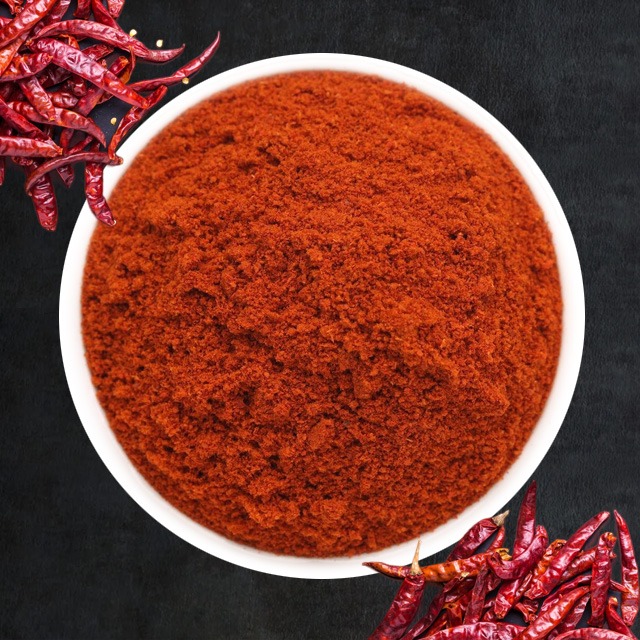
Guntur Karam is one of the hotter podis Tulasi Pickles sells, so start with half the quantity you'd use for a milder one like Kobbari Podi or Putnala Podi. You can always add more; you can't take spice back out once it's mixed in.
| Podi variety | Best paired with | Starting quantity per plate |
|---|---|---|
| Guntur Karam | Rice | 1.5 tbsp + 1 tsp ghee |
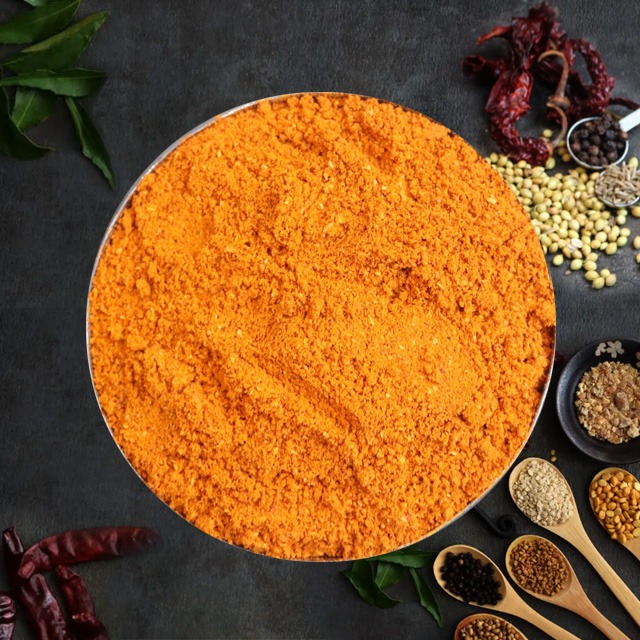
| Nuvvula Podi (sesame) | Rice, idli | 2 tbsp + 1 tsp oil |
| Kobbari Podi (coconut) | Dosa, curd rice | 2 tbsp + 1 tsp oil |
| Putnala Podi (roasted gram) | Idli, dosa | 1.5 tbsp + 1 tsp ghee |
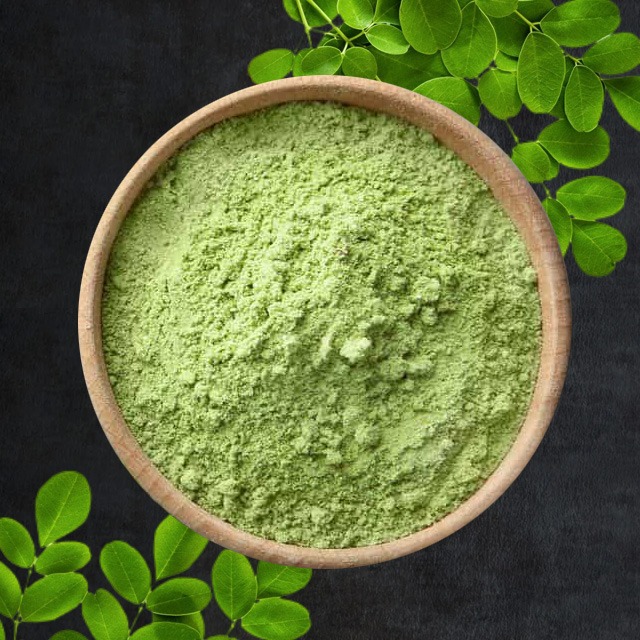
| Munagaku Podi (moringa) | Rice, plain roti | 1 tbsp + 1 tsp ghee |
6. Taste before adding salt
Most Tulasi Pickles podi varieties are pre-salted, so taste a small mixed portion before reaching for the salt shaker. Over-salting after the fact is the single most common fix request in home kitchens making podi rice for the first time.
7. Finish with a texture contrast if you want it
A few drops of lemon juice on podi rice, or a handful of fried curry leaves on podi idli, cuts through the richness of the ghee. This is optional but it's how the dish is served in most Andhra households when guests are over.
Troubleshooting
- Podi tastes flat or dull: the oil or ghee wasn't warm enough to release the spice oils. Rewarm and remix.
- Podi rice is too dry and clumpy: not enough fat. Add ghee in quarter-teaspoon increments until the rice looks glossy, not wet.
- Podi has gone slightly bitter after a few weeks: this usually means the jar wasn't sealed and moisture got in. Store podi in an airtight container away from the stove's heat and humidity.
- Idli podi keeps sliding off: the idli is too hot and wet on the surface. Let it sit 30 seconds off the steamer before applying podi.
- Too spicy for kids: switch from Guntur Karam to a milder option like Kobbari Podi or Putnala Podi rather than trying to dilute the hot one — dilution changes texture more than heat.
- Podi smells stale: podi loses aroma faster than pickles do; use opened jars within 4-6 weeks for best flavor, especially in the warmer months of 2026.
Tools and resources
- A small airtight steel or glass jar for daily use, refilled from the main pack
- Best podi varieties for mixing with rice at home for a full breakdown of flavor profiles
- Nuvvula Podi for sesame powder lovers if you want the nuttier, oil-rich option
- Putnala Podi for roasted gram spice powder fans for the mildest of the lot, good for kids and idli

What to do next
Once podi rice and podi idli are routine, the next upgrade is pairing podi with a pickle for a two-part meal — a small side of Guntur Karam rice with a spoon of pickle on the plate covers both texture and tang in one sitting. If you're new to the coconut-based variety, the Kobbari Podi for coconut chutney powder lovers guide covers how to use it as a dry chutney substitute when you're short on time.
FAQ
How much podi should I use per plate of rice?
Start with 1.5 to 2 tablespoons of podi per plate mixed with a teaspoon of warm ghee or sesame oil. Add more in small increments since spice level varies by podi type.
Is podi better with ghee or oil?
Ghee gives a richer, rounder flavor and is the traditional choice for rice and idli in Andhra homes. Sesame oil works better for dosa since it spreads thinner without pooling.
Can I mix podi directly into dosa batter?
No, podi should go on top of a cooked dosa, not into the raw batter. Mixing it in before cooking burns the spices and turns the flavor bitter.
Which podi is best for beginners?
Putnala Podi, made from roasted gram, is the mildest option and a safe starting point for anyone new to Andhra-style spice powders. Kobbari Podi is the next mildest and pairs well with dosa.
How long does homemade podi stay fresh once opened?
Opened podi stays flavorful for 4 to 6 weeks when kept in an airtight jar away from heat and moisture. In humid conditions, refrigeration extends that window.
Can podi replace chutney with idli?
Yes, podi mixed with ghee is a common substitute for chutney, especially when chutney isn’t freshly made. Kobbari Podi is the closest in flavor to a coconut chutney.
Why does my podi taste dry and dusty?
Dry, dusty podi usually means it wasn’t mixed with enough warm fat before eating. Podi is fat-soluble, so the oil or ghee needs to be warm enough to bind and release the spice aroma.
Does podi go with plain curd rice?
Yes, a small spoon of Kobbari Podi or Nuvvula Podi mixed into curd rice adds texture and cuts the blandness without overpowering the cool flavor.
One last thing
The order matters more than most people realize: mix podi with warm fat first, then apply to the dish, never the reverse. Do it the other way — spice powder straight onto hot rice, ghee poured on after — and the podi never fully blends, leaving pockets of raw spice that taste harsher than intended. That one sequencing fix is what separates podi rice that tastes restaurant-made from podi rice that tastes like an afterthought.
Related guides
- Best podi varieties for mixing with rice at home
- Kobbari Podi for coconut chutney powder lovers
- Nuvvula Podi for sesame powder lovers
- Putnala Podi for roasted gram spice powder fans